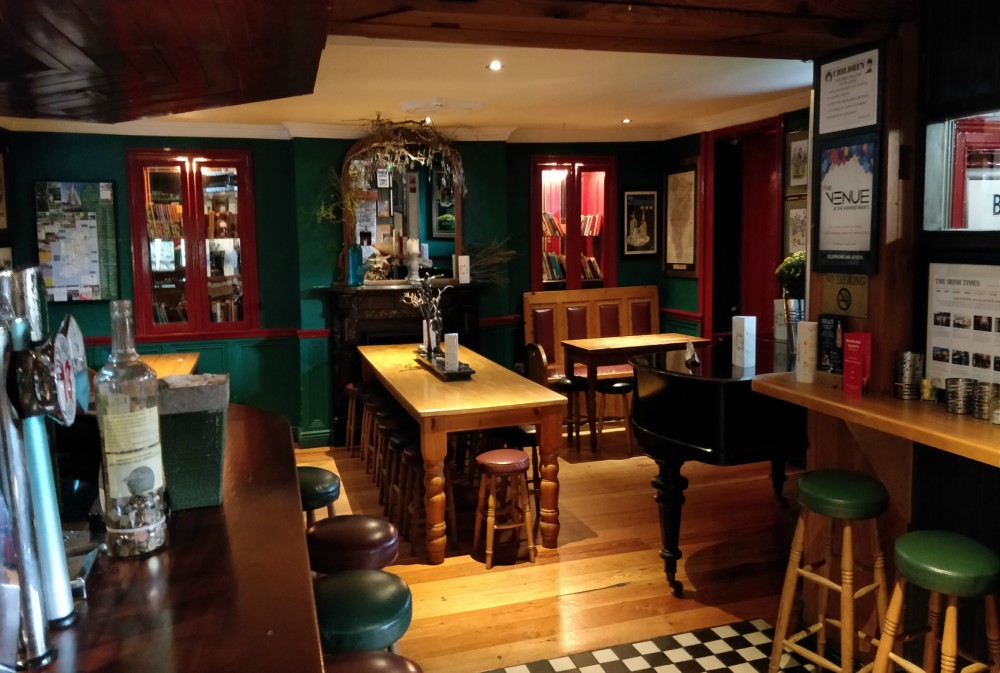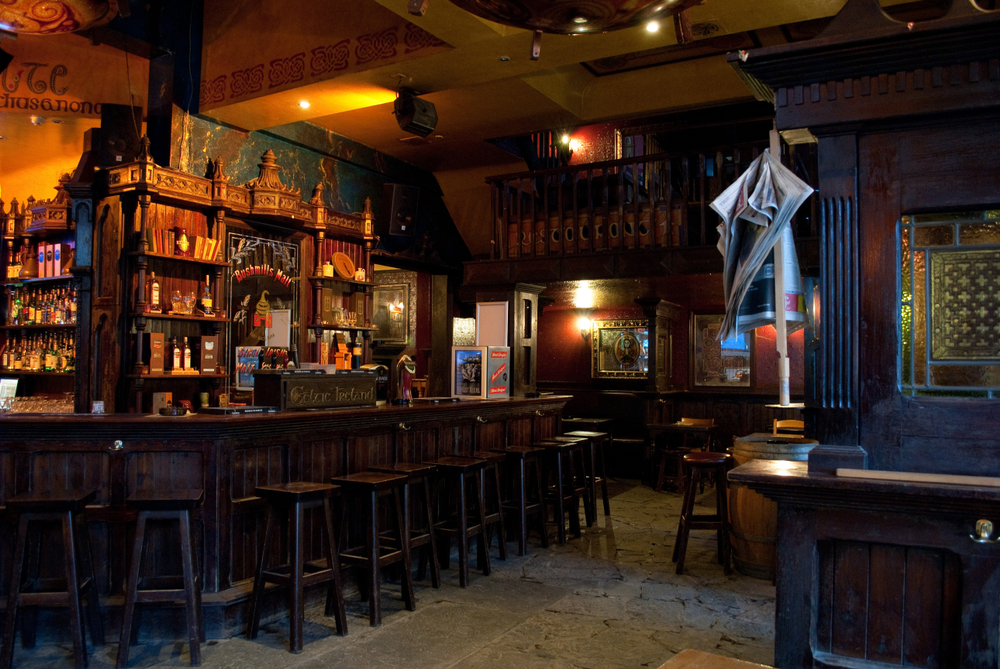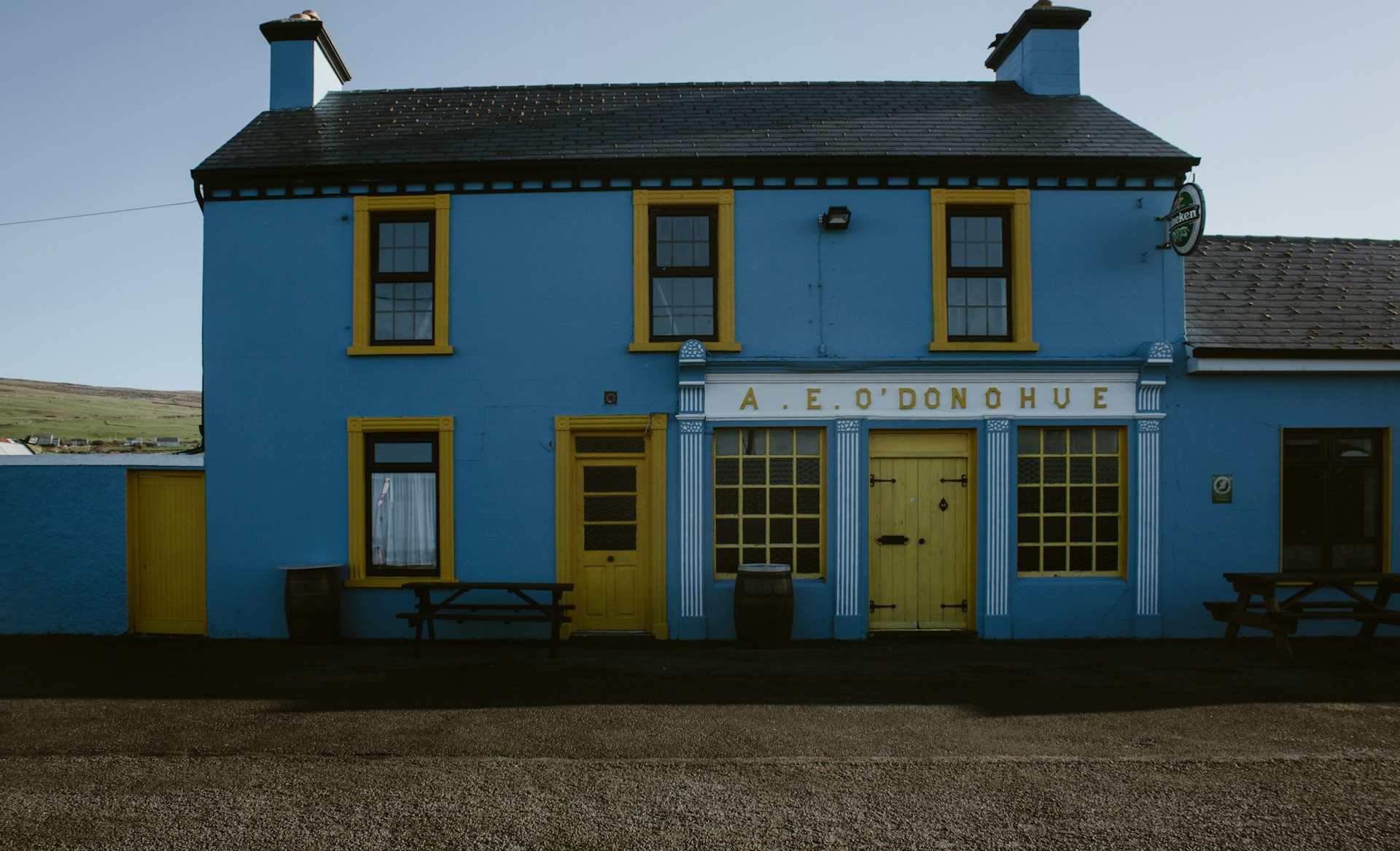

More than 2,200 licensed premises have closed over two decades, with industry warning of further losses without Government action.
The number of pubs operating in Ireland has fallen by more than a quarter over the past 20 years.
That’s according to a new report that shows 2,205 licensed premises have closed since 2005.
“Over the past 20 years we have seen a decimation in the number of pubs operating across Ireland”
The study, compiled by economist and DCU Associate Professor Emeritus Anthony Foley, found that the number of pub licences declined from 8,617 in 2005 to 6,412 in 2025, representing a 25.6% reduction.
The figures equate to an average of 110 pub closures every year over the period.
The research was commissioned by the Drinks Industry Group of Ireland (DIGI), which is calling on the Government to introduce a 10% reduction in excise duty in the forthcoming Budget. The group argues that Ireland’s alcohol excise rates remain the second highest in the European Union and are placing significant pressure on publicans.
A nation mourns
Every county in Ireland recorded a decline in pub numbers between 2005 and 2025, with the steepest falls concentrated in rural areas.
Limerick experienced the largest decrease at 37.2%, followed by Offaly at 34.1%, Cork at 32.7%, Roscommon at 32.3%, Tipperary at 32%, Laois at 30.6%, Longford at 30.1% and Westmeath at 30%.
Dublin recorded the smallest decline, with pub numbers falling by 1.1%, while Wicklow saw a reduction of 9.5%. Meath recorded a decline of 11.4%, with all other counties reporting decreases of at least 13%.
The report also found that 86 pubs closed during the past year, up from 65 closures in 2024 but lower than the 117 recorded in 2023.
Closing time
Commenting on the findings, Professor Foley said that the decline in pub numbers has occurred despite considerable growth across the wider Irish economy.
“Over the past 20 years the Irish economy has grown substantially, including large employment, consumption and adult population increases, despite multiple economic shocks and geopolitical disruption.
“This growth should have supported the alcohol and public house sectors. However, both alcohol consumption and pub sales volumes declined substantially. The level of alcohol taxation is very high in Ireland, which alongside rising costs and changing consumer trends, reduces the commercial viability of public houses.”
Professor Foley warned that closures are likely to continue unless policy measures are introduced to support the sector.
“It is likely that pub closures will continue in the absence of any change in Government policy. Even in the absence of additional significant economic shocks, an optimistic scenario would expect about 600 additional closures in the next decade from 2024. More pessimistic expectations would increase the closure level to 1,000.”
DIGI secretary Donall O’Keeffe said the continuing decline was having a significant effect on communities throughout rural Ireland, where pubs often serve as important social and economic centres.
“Over the past 20 years we have seen a decimation in the number of pubs operating across Ireland. This has been particularly damaging to the social, economic and cultural life of rural Ireland. They are also a huge loss to our tourism offer. Without government intervention, this trend will continue and potentially accelerate.”
O’Keeffe said the group is seeking an immediate reduction in excise duty to improve the viability of independently owned pubs.
“We are calling for a 10% immediate cut in excise duty to give the remaining small, family-owned pubs a better chance of remaining viable. Current excise rates are simply unjust given Ireland’s continually falling rates of alcohol consumption, which ranks us among the EU average for levels of alcohol consumption.
“Our extremely high level of alcohol taxation in comparison to the rest of Europe is actively harming our sector and our customers who rely upon the public house as a hub of human connection. This is particularly true in rural settings where there is a greater risk of social isolation.”
Image at top: Photo by Naseem Buras on Unsplash
👉 No tech background needed to bring your business into the AI age! Secure your Google AI Professional Certificate to complete the certification at no cost. Apply now and get started!
-
Bank of Ireland is welcoming new customers every day – funding investments, working capital and expansions across multiple sectors. To learn more, click here
-
For support in challenging times, click here
-
Listen to the ThinkBusiness Podcast for business insights and inspiration. All episodes are here. You can also listen to the Podcast on:
-
Spotify
-
SoundCloud
-
Apple