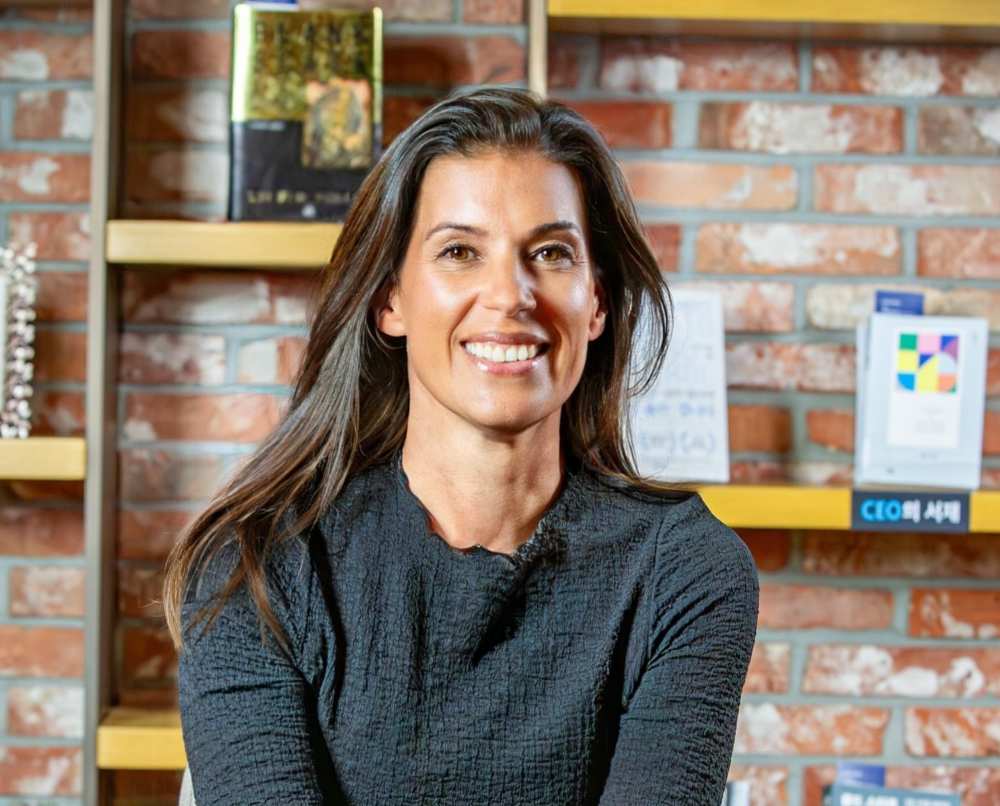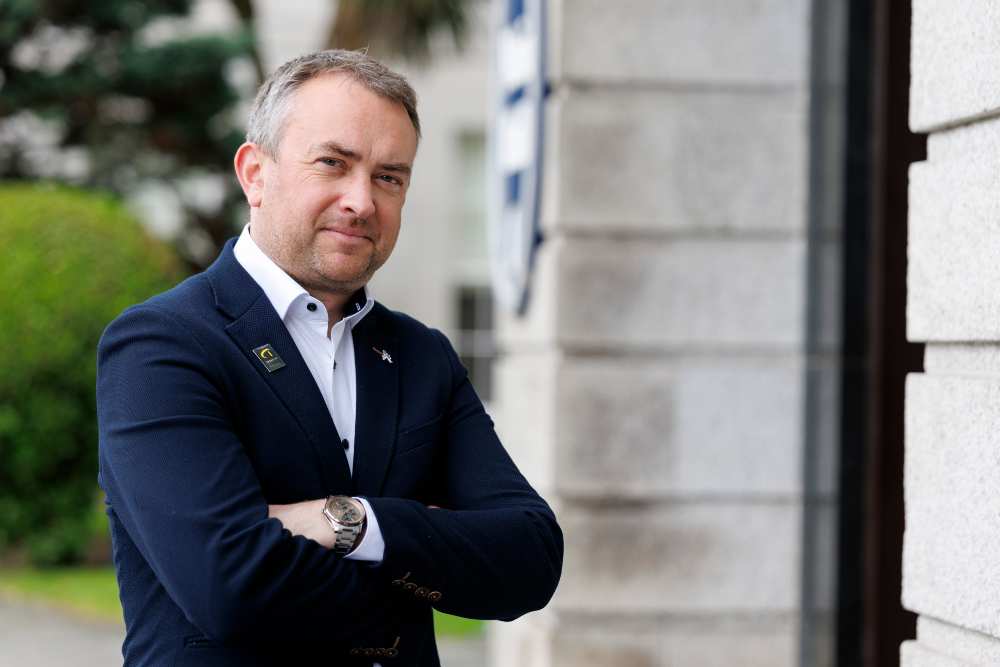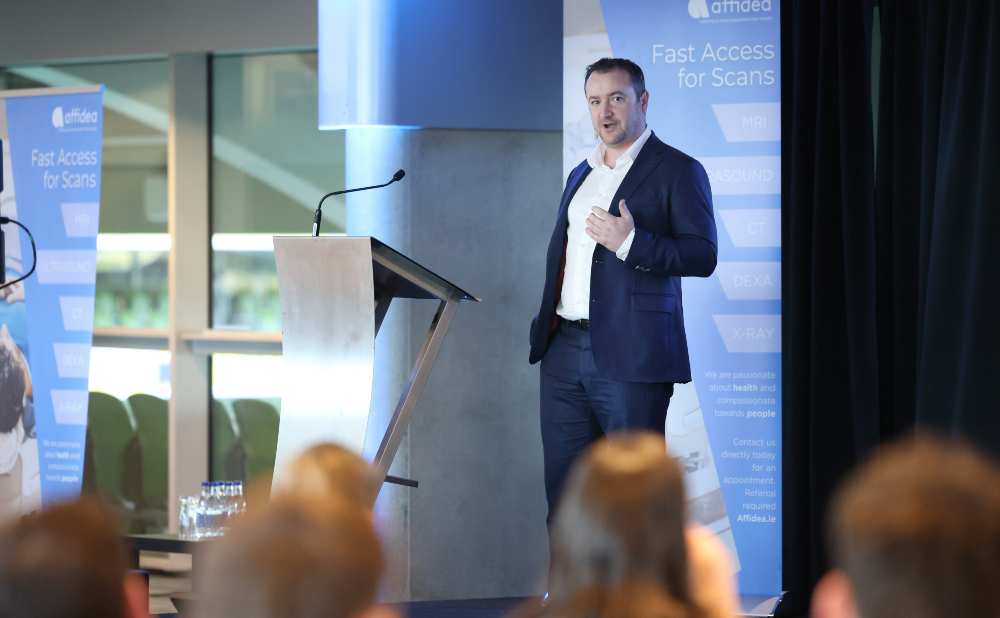
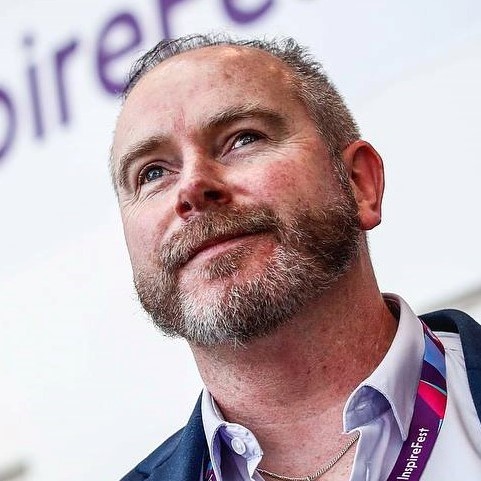
Sharon Walsh, head of Technology Strategy, Planning and Office of the CIO at Fidelity Investments, shares her life and business lessons.
Sharon Walsh is head of Technology Strategy, Planning and Office of the CIO at Fidelity Investments, as well as one of Fidelity’s Ireland Regional Leaders.
She has spent more than 30 years working across technology, strategy and organisational leadership in Ireland and the United States.
“What motivates me is turning strategy into something that people can understand and execute”
Outside of Fidelity, she is actively involved in Ireland’s business and technology community, including through the American Chamber of Commerce Ireland, Technology Ireland and Innovation Technology AtlanTec Gateway (ITAG).
Tell us about your background: what journey did you take to arrive at where you are?
My journey has not been a straight line, and I think that has been one of its strengths. In fact, if you had told my 21-year-old self that I would end up leading technology strategy for a global organisation, I probably wouldn’t have believed you.
I started in administrative roles when I first moved to Boston, gradually finding my way into technology. Over the years I worked across security, software development, quality assurance, programme management, and operations before moving into leadership roles. Each role taught me something different and, looking back, those experiences gave me a much broader perspective than if I had followed a traditional career path.
Today, I lead Technology Strategy, Planning and Office of the CIO at Fidelity Investments, while also serving as an Ireland Regional Leader. Along the way, I continued my education, completing degrees at Northeastern University and an MBA at the University of Galway and I am still driven by the same curiosity that got me started all those years ago.
Looking back, the common thread has been a willingness to keep learning, step into unfamiliar situations and take opportunities before I felt completely ready.
Why are you doing what you are doing? What need are you meeting? What’s your USP?
What motivates me is turning strategy into something that people can understand and execute. Large technology organisations have no shortage of ideas or activity. The real challenge is creating clarity around priorities, connecting investment to outcomes and helping teams work together across organisational boundaries.
My role brings together strategy, planning, portfolio management, governance, communications and organisational leadership. My strength, or USP, is being able to operate at both the strategic and human levels. I can help shape an operating model or portfolio approach, but I am equally focused on how people experience change, how leaders communicate and how teams remain engaged through transformation.
I also bring a global perspective from working in both Ireland and the United States, combined with a strong understanding of Ireland’s regional technology ecosystem.
How did you fund and start the business, and what are your growth plans?
I didn’t start or fund a traditional business, so I would look at this through the lens of building capabilities within a large global organisation.
“I believe in leading with transparency, collaboration and a genuine focus on people. In my experience, that’s where the best results tend to come from”
In that environment, the equivalent of funding is earning sponsorship, demonstrating value and aligning investment with a clear business need. I have built new capabilities in areas such as business engagement, technology health, product and portfolio management, reporting, analytics and delivery enablement. The starting point is always the same: identify the problem, bring the right partners together, create a practical model and demonstrate value early.
My growth focus is to continue developing a strong Technology Strategy, Planning and Office of the CIO capability that improves transparency, decision-making and strategic execution. Just as importantly, I want to grow the people behind that capability and create opportunities for them to lead at enterprise scale.
What are your key skills and qualities that set you apart?
If I had to pick a few things, I’d say my ability to simplify complex problems, build strong relationships and bring people together around a common goal.
My career has taken me through many different areas of technology and leadership, which has given me a broad perspective and helped me understand how all the pieces fit together. I’ve always enjoyed connecting strategy to action and helping teams move from ideas to outcomes.
Above all, I believe in leading with transparency, collaboration and a genuine focus on people. In my experience, that’s where the best results tend to come from.
What (or whom) has helped you most along the way? Who was your greatest mentor or inspiration?
I’ve been fortunate to have many mentors throughout my career, and most of them probably wouldn’t call themselves mentors.
Some were leaders who gave me opportunities I wasn’t quite ready for. Others were colleagues who challenged my thinking or gave me honest feedback when I needed it most. Looking back, those people often had the biggest impact because they helped me see possibilities in myself that I hadn’t yet recognised.
“Knowing your strengths is important, but understanding your gaps, asking for help and responding constructively to feedback can make an even bigger difference”
I also draw a huge amount of inspiration from the people I’ve worked with over the years. One of the things I love about technology is that you’re constantly surrounded by smart people solving difficult problems.
On a personal level, my family has been incredibly important. Building a career across two countries while raising a family requires support, perspective and occasionally someone reminding you that there’s more to life than work.
What was the greatest piece of business advice you ever received?
One of the most valuable lessons I have learned is: do not wait until you feel completely ready.
Most meaningful opportunities involve some level of discomfort. You rarely have every answer at the beginning. You need to prepare, ask good questions, surround yourself with capable people and then be willing to step forward.
I would add another: understand the problem before you start designing the solution. That sounds simple, but in technology and business we can sometimes move too quickly into execution before creating shared clarity about the outcome we are trying to achieve.
What circumstances, qualities or events can mark the difference between success and failure?
For me, the differentiators are adaptability, resilience, relationships and the ability to learn.
Plans matter, but circumstances change. Successful people and organisations recognise changes early, listen to different perspectives and adjust without losing sight of their purpose. Relationships matter too. Very few significant outcomes are delivered by one individual or one team.
I also believe self-awareness is critical. Knowing your strengths is important, but understanding your gaps, asking for help and responding constructively to feedback can make an even bigger difference.
What was the most challenging aspect of growing the business?
The most challenging part of growing any capability is usually not designing the structure. It is creating alignment.
In a large organisation, people may agree on the overall ambition but have different views on priorities, ownership or how quickly to move. The work is to create enough clarity that people can make decisions together, while being realistic about capacity and competing demands.
I have found that sustainable change requires listening, visible sponsorship and consistent communication. People need to understand not only what is changing, but why it matters and what it means for them.
How did you navigate your business through the pandemic, and what lessons did you learn?
The pandemic reinforced how quickly organisations can adapt when there is a clear, shared need. It also showed that technology is only part of the answer. Leadership, communication, trust and employee wellbeing are equally important.
“Ireland has a strong technology ecosystem. The opportunity is to ensure that organisations of every size, and regions beyond the major urban centres, can participate in and benefit from that transformation”
One of my biggest lessons was that location does not have to limit contribution, but connection still needs to be intentional. Leaders cannot assume that people have the same context simply because they are joining the same call.
It also reminded me that people experience change differently. Good leadership means creating clarity while leaving room for individual circumstances, listening carefully and not losing the human connection.
How has digital transformation been a factor in your scaling journey, and are Irish firms using digital technologies sufficiently?
Digital transformation has been central to my career, from early work in security, customer relationship management and software quality to more recent work in operating models, portfolio transparency, analytics and enterprise technology strategy. I have seen that the real value does not come from implementing a tool. It comes from changing how decisions are made, how work flows and how customers and employees experience the organisation.
Irish firms have made considerable progress, but adoption is uneven. The next phase needs to be less about isolated technology projects and more about integrating digital capability into business strategy. Ireland has a strong technology ecosystem. The opportunity is to ensure that organisations of every size, and regions beyond the major urban centres, can participate in and benefit from that transformation.
If you were to do it all over again, what would you do differently?
I would probably trust my own judgement earlier and spend less time believing I needed to have every answer before stepping into something new.
I would also invest in my network and formal development earlier. Experience is a great teacher, but coaching, mentors, peer networks and structured learning can help you understand that experience and use it more intentionally.
That said, I would not remove the difficult assignments or unexpected turns. They were often the experiences that taught me the most.
Who inspires you in business today?
Honestly, I’m inspired less by famous business figures and more by the people I meet every day. Some of the most inspiring people I’ve encountered are colleagues, community leaders, educators and volunteers who are quietly making a difference without seeking recognition for it.
Through Fidelity, ITAG, Technology Ireland, AmCham and my work in the wider community, I’ve seen firsthand the impact that one person can have when they’re passionate about helping others succeed. Those are the leaders who inspire me most because they remind us that success isn’t just measured by what we achieve ourselves, but by the opportunities we create for others.
What advice do you give new hires, and how do you nurture talent?
My advice to new hires is: be curious, build relationships and do not be afraid to ask questions. Take the time to understand the business problem, not just the task you have been given. Learn how your work connects to the customer and to the wider organisation. Build a network beyond your immediate team and look for opportunities to contribute before you feel completely ready.
When developing talent, I focus on giving people context, meaningful ownership and honest feedback. Development is not simply attending a course. I also believe leaders need to create an environment where people can raise concerns, offer different perspectives and learn from mistakes. Mentoring and talent development have been recurring elements of my career, including recognition from ‘Year Up’ in Boston and ITAG’s Digital Woman’s Award, for my work supporting emerging talent and women in STEM.
What business books do you read or recommend?
Honestly, I read less business books than people might expect.
I enjoy them, but I get a huge amount of value from talking to leaders, attending industry events and learning from the people around me. Through Fidelity, ITAG, AmCham and the broader technology community, I’m constantly exposed to new ideas and perspectives.
When I do read, I’m usually drawn to books about leadership, change and personal growth rather than technical topics. I find the best leaders remain curious, and for me that’s less about one book and more about maintaining a mindset of continuous learning.
What technologies or tools do you use personally to keep on track?
I rely on a combination of calendar discipline, structured notes, clear priorities and collaboration tools. Digital productivity and communication tools help me stay connected across a global organisation, while presentation and storytelling tools remain- valuable for distilling complex ideas into a narrative that leaders can discuss and act on.
I am also increasingly interested in how AI tools can help leaders synthesise information, prepare for meetings and spend less time on administration. The important point is that the tool should simplify the work and improve the decision, rather than create another layer of activity.
What social media platforms do you prefer and why?
LinkedIn is probably the platform I use most professionally, while Instagram is my personal favourite.
LinkedIn helps me stay connected with colleagues and the wider technology and business community, while keeping up with new ideas, achievements and perspectives. Through my role at Fidelity and my involvement with ITAG, Technology Ireland, AmCham and the broader tech ecosystem, it’s also a great way to engage with topics I care about, including leadership, innovation, talent and inclusion.
Instagram is where I switch off. I enjoy travel, photography, fashion, cooking and family time, and I like the creativity and everyday inspiration it offers.
Ultimately, I value platforms that help people connect, learn and share experiences in a genuine way.
Where is technology heading, and how will it apply to business?
Technology will become even more embedded in how every business operates. AI will clearly be a major part of that, but the bigger story is the combination of AI, data, cloud, cybersecurity and modern engineering practices.
The organisations that benefit most will not necessarily be those with the greatest number of tools. They will be the ones that connect technology investment to a clear business strategy, have trusted data, redesign work thoughtfully and help their people develop the skills to operate differently.
For technology leaders, this means our role is expanding. We need to understand engineering and risk, but also business strategy, talent, customer experience and organisational change. The human element will also remain essential. AI can accelerate analysis and execution, but judgement, accountability, empathy and trust will continue to distinguish effective organisations.
What advice would you give your 21-year-old self?
I would tell her: you do not need to have your entire career mapped out.
Stay curious. Take the opportunity that stretches you. Ask for help. Build relationships and keep investing in your education, but do not underestimate what you are learning through experience.
I would also tell her not to confuse confidence with having every answer. Confidence is being willing to step forward, listen, learn and adjust.
Finally, protect time for the people and experiences that matter outside work. Careers are important, but they are only one part of a full and meaningful life.
👉 No tech background needed to bring your business into the AI age! Secure your Google AI Professional Certificate to complete the certification at no cost. Apply now and get started!
-
Bank of Ireland is welcoming new customers every day – funding investments, working capital and expansions across multiple sectors. To learn more, click here
-
For support in challenging times, click here
-
Listen to the ThinkBusiness Podcast for business insights and inspiration. All episodes are here. You can also listen to the Podcast on:
-
Spotify
-
SoundCloud
-
Apple