Podcast Ep 364: From a family farm in Co Monaghan to one of Ireland’s most successful food exporters, Silver Hill Duck has built a reputation for quality that stretches far beyond our shores. Ahead of this year’s Blas na hEireann Irish Food Awards, we talk to Barry Cullen from Silver Hill Duck about what it takes to build an enduring brand in a rapidly changing world.
It’s crazy when you think about it. A Monaghan business that started on a family farm with just six ducks in 1962 now processes more than 80,000 ducks a week, sells in to 32 countries and is preparing for its next phase of growth.
Earlier this year we reported how Silver Hill Duck commenced construction of a 5,500 square metre facility at its Emyvale headquarters that will lift capacity to 120,000 ducks a week and support long-term jobs growth. The expansion is designed to help meet rising demand in both domestic and international markets while maintaining the company’s focus on quality, food safety and operational efficiency. Construction is well underway, with the facility expected to be completed by summer 2027.
“All the things that make us successful are the reasons why every other duck company isn’t trying to copy us, so that gives us protection”
The project is backed by a €40 million investment from Fane Valley Group, the company’s feed supplier of two decades, which acquired the business from the founding family in 2019. The existing plant, which processes 80,000 ducks per week, was built for just 10,000 per week.
“To say that we are sweating the assets, it’s an understatement,” says sales director Barry Cullen. “We’re doing eight times what the plant was built for and it just got to a stage where’ it’s creaking at the seams.”
KEY NUMBERS: Silver Hill Duck Growth
- €40m investment backing new Monaghan expansion
- Capacity rising from 80,000 to 120,000 ducks weekly
- Exports reaching 32 international markets
- 5,500 sq m processing facility under construction
- Founded with just six ducks in 1962
- Existing plant designed for only 10,000 ducks weekly
- Retail sales in Ireland up tenfold since 2011
- 4.2m ducks sold last year
- Around 20 customer complaints from 4.2m ducks sold
- 250 people employed in Co Monaghan
Editorial takeaway: Silver Hill has transformed from a small family farm into a high-performing export business, using investment, product differentiation and exceptional quality control to fuel global growth.
Best of breed
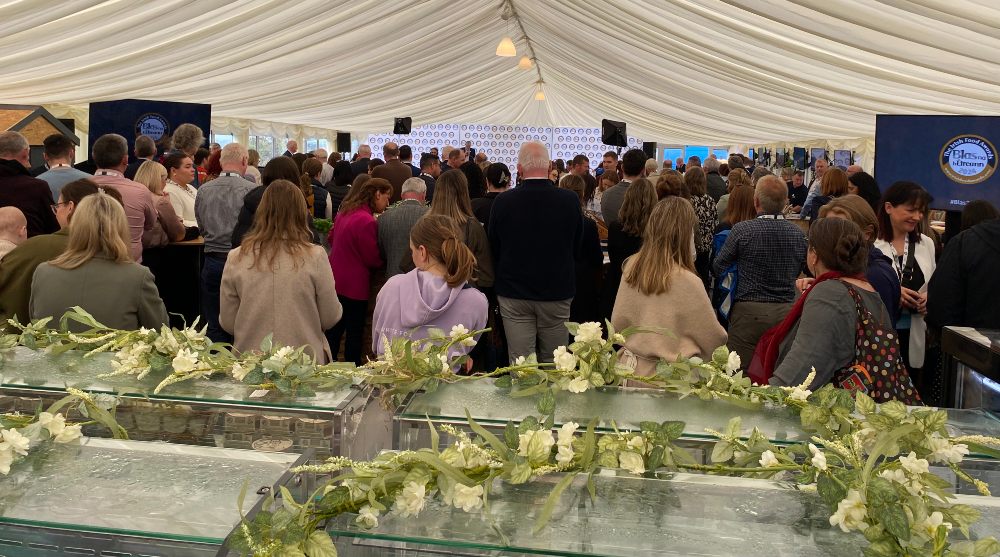
Speaking on the ThinkBusiness Podcast ahead of the crucial Blas na hEireann Irish Food Awards in Dingle, Cullen said the new facility is designed to open markets that the current site cannot reach. Entry to the US and Canada requires approvals and plant criteria that the Monaghan business will need to match.
Breaking into new markets is a slow and steady process. Silver Hill already sells into 32 countries. The Philippines
is on track and the markets of Egypt and Sri Lanka have recently opened. Approvals can take years. “It took us about eight years to get into Malaysia,” says Cullen.
“Our biggest problem is we have demand in loads of markets, but we don’t necessarily have market access into them,” Cullen said. “If we could get into China, you’d have to build another new plant, or maybe another plant after that, to cope with demand there.”
Despite these challenges, Silver Hill is ‘quacking’ on with its scaling ambition, no doubt bolstered by its premium reputation.
Silver Hill’s edge rests on a bird it has never changed – a cross between an Ailesbury duck and a Peking duck. Over four decades, rivals across the poultry industry have bred for faster growth and leaner meat. However, Silver Hill kept its original cross, bred for the smaller fattier duck favoured by premium Chinese restaurants in London.
“Either by good planning or good chance, we kept it the same, because we were servicing the Asian restaurants in London, particularly London Chinatown, and they were looking for a small, fattier bird for roasting in their ovens.
“As every other competitor of ours across the globe started chasing that feed conversion, where there was less and less fat and more meat, we kept the duck pretty much the same, to a point today where no one else in the world has our breed or our characteristics. We own the DNA. That’s our USP. All the other competitors have this really lean bird that grows really quickly and puts on lots and lots of meat, but the taste profile is different, the texture is different. The flavour comes from the fat. Our customers compare it to Wagyu beef, where the fat content is so high. They say it’s the Wagyu of duck, so that allows us to charge a premium.”
Cullen is candid about the economics. “If you were to build a duck plant today, you wouldn’t build it in Ireland. You certainly wouldn’t build it in Monaghan, and you wouldn’t use the Silver Hill duck, because it’s the most inefficient in terms of feeding,” he said. “So all the things that make us successful are the reasons why every other duck company isn’t trying to copy us, so that gives us protection.”
The spirit of sustainability

Construction begins at Silver Hill Duck in Monaghan in May
“You have to think small and act big”
In essence, Silver Hill epitomises the spirit of sustainability in that every part of the bird earns revenue. Carcasses go to pet food and to Asian customers making stock, fat and liver go to pâte makers in Belgium, and an on-site feather plant supplies down duvets and pillows to hotels that include K Club and Castle Lesley. Heads, feet and necks are sold to Chinese buyers as bar snacks.
“You can buy a packet of duck tongues in China the same way you buy a packet of crisps here,” notes Cullen.
In its home market of Ireland retail sales of the brand are 10-times higher than they were in 2011 and Cullen points to supermarket shelf space as a measure of what’s possible. “It’s never going to be as big as chicken. We’re not foolish, but we still believe there’s huge opportunity.”
He says that automation is taking on more of the work, with camera technology now grading birds on the line. The quality record holds up: Silver Hill sold 4.2 million ducks last year and received as few as “maybe 20 complaints”, most of them from shoppers who found the meat too fatty.
Cullen credits Bord Bia with much of the company’s global reach. “Without Bord Bia, we would not be as successful today as we have been over the last 10 or 15 years.”
Silver Hill employs 250 people and still regards itself as a small producer. “You have to think small and act big,” Cullen said.
His advice to founders in the food business, many of whom will be at Blas this year, is to focus on cost control and growing at a manageable pace, having a plan that every decision must serve. “Make a decision, whether it’s right or wrong. Make a decision. Don’t just sit still. If it’s the wrong decision, fail quick.”
Looking ahead to the next decade Cullen wants the new factory full, at 120,000 ducks a week or more, and to have a presence in more than 40 countries.
“All I want is for people to try our duck and enjoy it.”
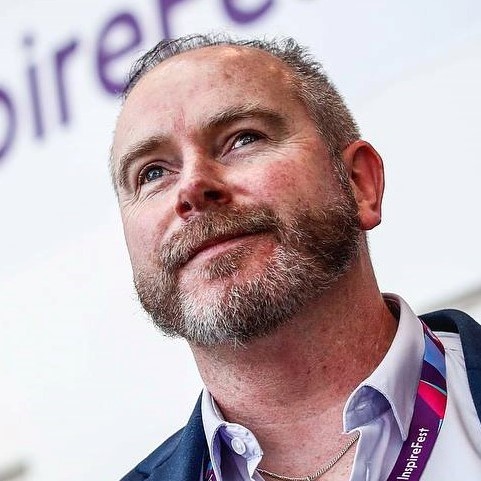
Top image: Barry Cullen, head of Sales at Silver Hill Duck
Frequently Asked Questions: How Silver Hill Duck is quacking on with its global expansion
What is Silver Hill Duck?
Silver Hill Duck is an Irish food producer based in Emyvale, Co Monaghan. Founded in 1962 with just six ducks, it has grown into one of Ireland’s leading food exporters, supplying customers in 32 countries.
How many ducks does Silver Hill process each week?
The company currently processes more than 80,000 ducks per week and is building a new facility that will increase capacity to 120,000 ducks weekly.
How many countries does Silver Hill export to?
Silver Hill Duck exports to 32 countries worldwide, with ambitions to expand its international footprint to more than 40 countries over the coming decade.
What makes Silver Hill Duck different from competitors?
Silver Hill continues to use its original duck breed, a cross between an Ailesbury duck and a Peking duck. The company says this unique breed delivers a richer taste and texture that helps it command a premium position in international markets.
Why is Silver Hill investing in a new factory?
The existing processing plant was designed for 10,000 ducks per week but now handles around 80,000. The new facility is intended to increase capacity, improve efficiency and help the company meet market access requirements in countries such as the US and Canada.
Who owns Silver Hill Duck?
Silver Hill Duck was acquired by Fane Valley Group in 2019. Fane Valley is supporting the company’s latest expansion with a €40 million investment.
What new export markets is Silver Hill targeting?
The company is pursuing opportunities in markets including the Philippines, Egypt and Sri Lanka, while also working towards gaining access to the US and Canadian markets.
How does Silver Hill maximise value from every duck?
The business generates revenue from almost every part of the bird. Products range from premium duck meat to pet food ingredients, pâté ingredients, feathers for bedding products, and speciality export products sold into Asian markets.
How many people does Silver Hill employ?
Silver Hill employs approximately 250 people at its Co Monaghan operation.
What advice does Barry Cullen have for food entrepreneurs?
Barry Cullen advises founders to focus on cost control, grow at a manageable pace and make decisions decisively. His philosophy is simple: if a decision proves wrong, fail quickly and learn from it.
👉 No tech background needed to bring your business into the AI age! Secure your Google AI Professional Certificate to complete the certification at no cost. Apply now and get started!
-
Bank of Ireland is welcoming new customers every day – funding investments, working capital and expansions across multiple sectors. To learn more, click here
-
For support in challenging times, click here
-
Listen to the ThinkBusiness Podcast for business insights and inspiration. All episodes are here. You can also listen to the Podcast on:
-
Spotify
-
SoundCloud
-
Apple