Podcast Ep 355: Padraic O’Kane, founder and CEO of the Aer Lingus College Football Classic, on how he turned an ambitious idea to bring American football to Ireland into one of the country’s most valuable international events.
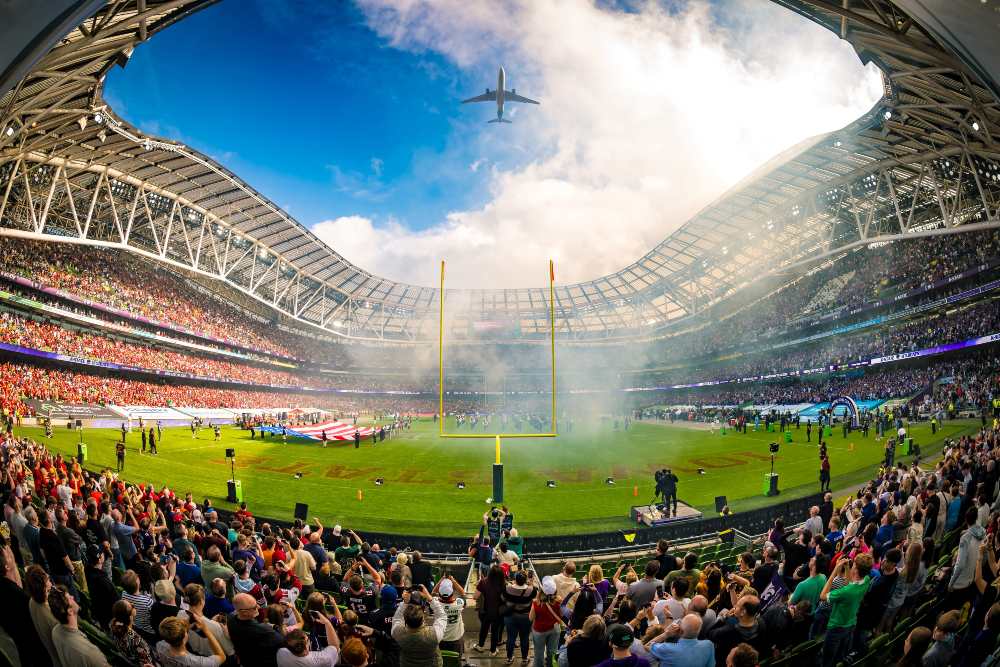
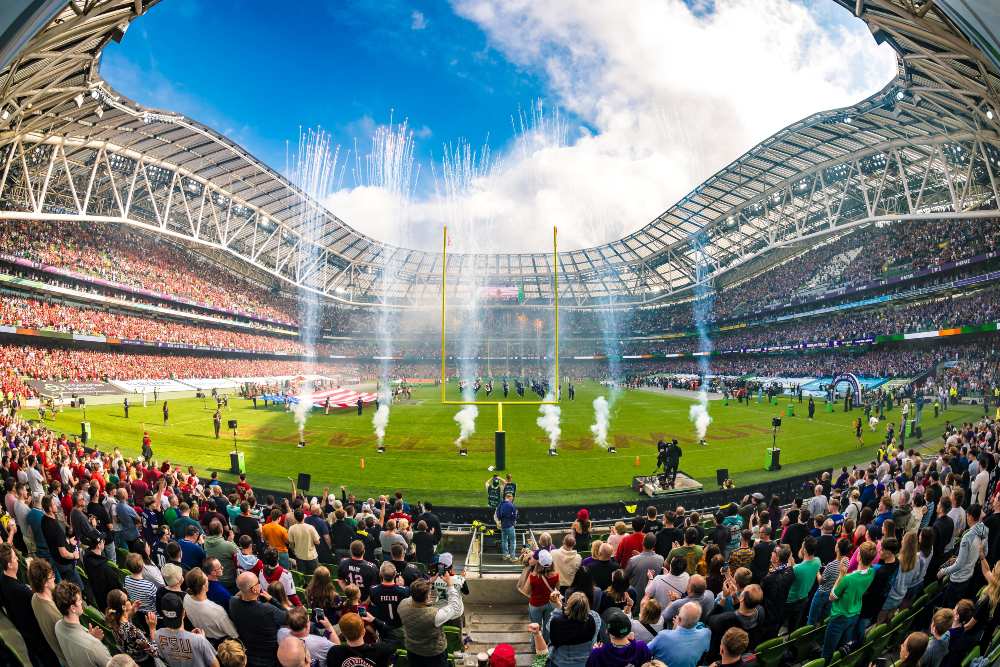
This Saturday (29 August) thousands of American college football fans will descend on Dublin for the latest Aer Lingus College Football Classic. For many visitors it will be their first trip to Ireland.
But for the Irish economy it is the continuation of an event that is so far estimated to have generated an estimated €514 million in economic impact and that has evolved into a platform for tourism, business networking, academic partnerships and international engagement.
“Martin Naughton used to say: ‘Padraic, these are young men and women, the future CEOs and CFOs in America.’ Well, I may not be around to see them when they come back. When they have an opportunity looking at the European headquarters or a base in Europe, they’re going to think Ireland”
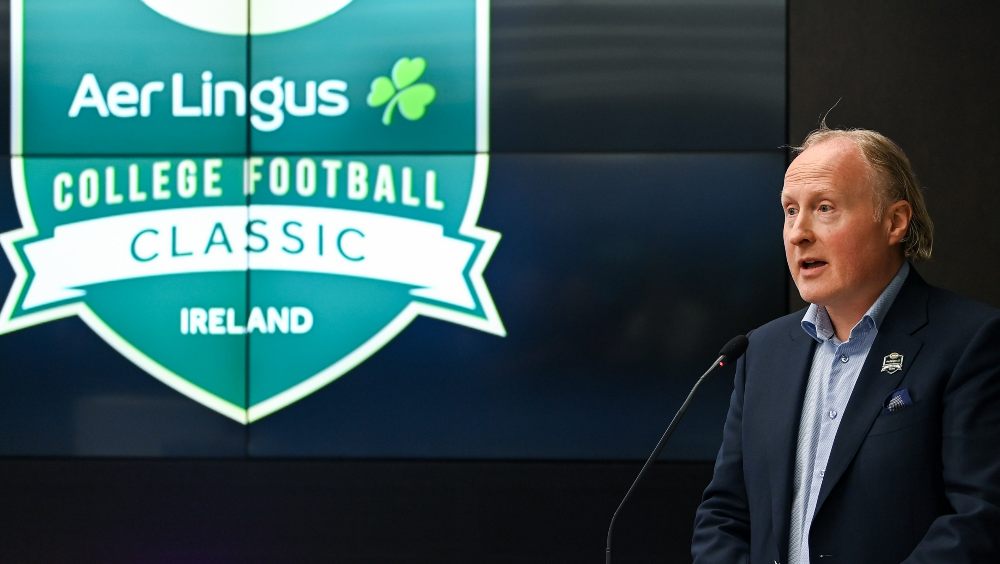
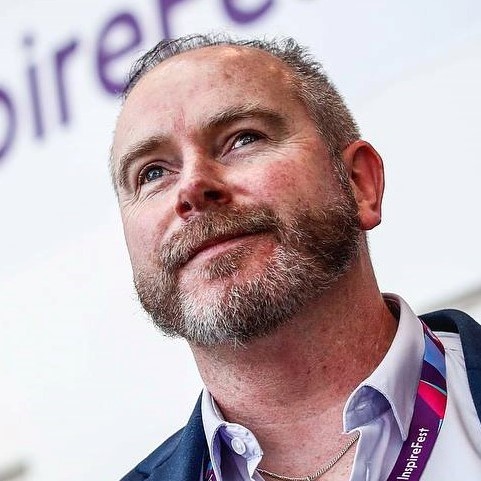
At the centre of all of this activity is Padraic O’Kane, founder of the Aer Lingus College Classic. O’Kane traces the events origins back to a chance introduction from the late Martin Naughton of Glen Dimplex.
“Believe it or not, Ireland has played host to college football as far back as 1988 when Boston College played Army. My own involvement began with the 2012 game. In 2011, one of our event clients, the late Martin Naughton of Glen Dimplex, called me and said there was a delegation from Notre Dame University in town and asked if I would meet them.
“They asked if we could look after their tailgates and pep rallies. I told them, ‘As soon as I Google what they are, I’m your man.’ I went to South Bend, Indiana, later that year. To put it in Irish terms, South Bend is like Longford. It’s in the middle of nowhere. But there were 80,000 people in the stadium on match day and another 20,000 outside tailgating without tickets. We got completely bought into it.”
Baptism of fire
The scale of support exceeded expectations when the 2012 game arrived in Dublin. “For a game that initially we thought would bring between 15,000 and 20,000 Americans, it ended up bringing 35,000. There were 28,000 Notre Dame supporters and 7,000 Navy supporters.”
The impact was felt across Ireland. “The game sold out very quickly because there were only about 10,000 tickets available to the local market. Americans arrived in Galway, Killarney and all over the country. They wear their college colours everywhere and they took the place over. It was fantastic.”
However, the future of the game came under threat when plans for a 2016 fixture fell apart in 2015 because of a lack of government support and a weakness in the dollar at the time.
“My business partner John Anthony range me and said: ‘It’s gone’. I said: ‘It’s not.’ We had three weeks to save the game. We got Dublin City Council, Fáilte Ireland and Tourism Ireland into a room and came out with support from all three. Then I met Stephen Kavanagh, the then CEO of Aer Lingus. About ten minutes into my pitch he stopped me and said, ‘I’m in.’”
According to O’Kane, Kavanagh saw a significance that extended beyond sport. “He said this was sports diplomacy. It was about connecting Ireland and America and keeping that relationship going. We got the 2016 game up and running and then dusted ourselves down afterwards.”
A sporting chance
Securing participating teams from universities remains one of the biggest challenges for the event.
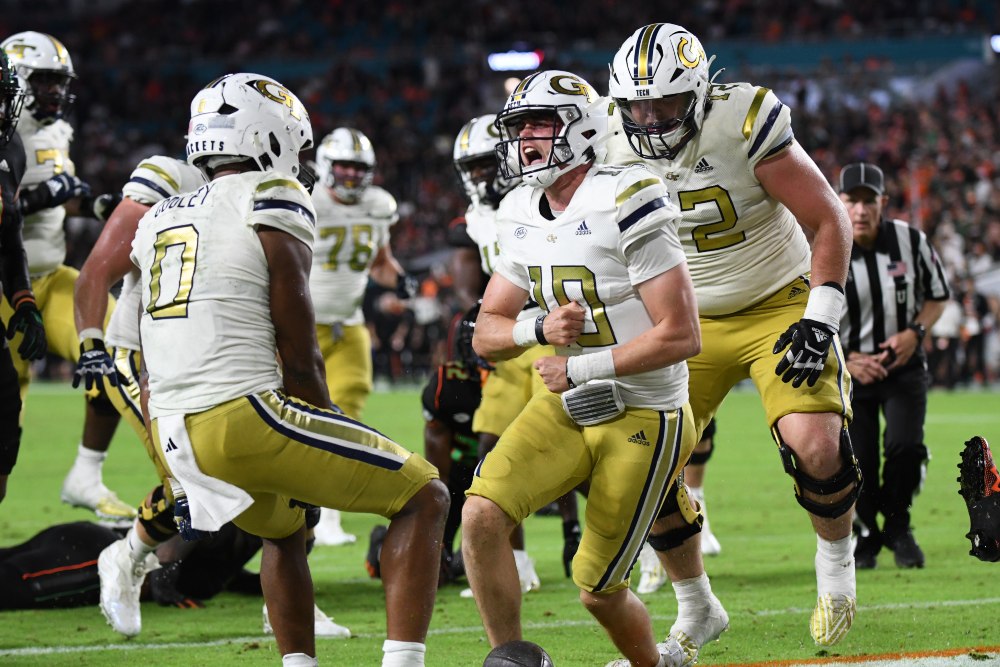
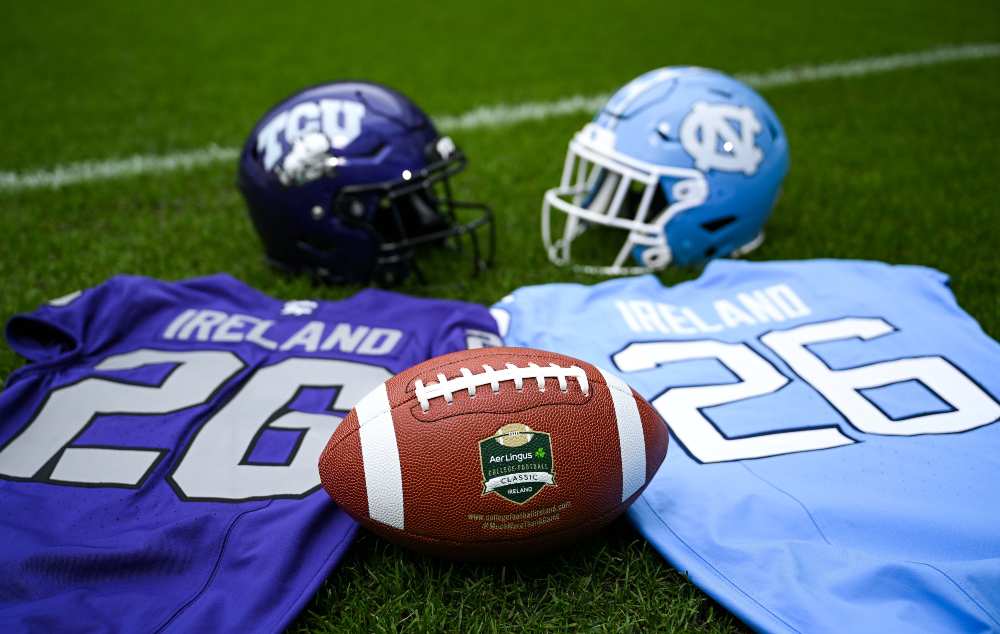
“Funny enough, the academic side, the president and chancellor, are usually bought in very quickly. They see the bigger picture. For example, this year Texas Christian University explained that they want to increase the proportion of students doing an international semester from 45% to 60%. The athletic director is usually supportive because it benefits recruitment and raises the profile of the programme. Coaches are a little more difficult because they see disruption. But it has become easier because we’ve now established a track record. The Aer Lingus College Football Classic is now viewed almost as a bowl game at the start of the season.”
The event also serves as a recruitment tool for US colleges. “You’re a young person and you’re thinking of going to one school or another. The fact that TCU, for example this year as the home team has an international game in Ireland. That’s an opportunity.”
Much more than a game
For O’Kane the football fixture is only one element of a much larger programme.
“We have six full-time staff in Dublin working on the game year-round. We’re already deeply involved in planning future games while preparing for the current one. Each team travels with roughly 300 people. The bands often travel separately. The logistics are enormous. About 25,000 people travelled from those states to Ireland for the first time.
“Our tagline is ‘Much more than a game’. Around 50 events now surround each edition of the Classic, including academic, business, political and leisure events.”
The programme continues to expand. This year the University of North Carolina women’s soccer team will play Shelbourne, while next year Dublin is set to host elite collegiate volleyball with ESPN broadcasting it to US audiences.
Media attention is also significant. “This year there’s 151 media outlets registered to attend the game. Most of them are from the United States.”
Building business connections
Economic impact remains central to the project’s success, but O’Kane places equal emphasis on the relationships that are created around the event.
“The key was creating a public-private partnership. The Ireland-US CEO Club was born out of the 2016 game and brings together hundreds of Irish and American business leaders. Another example is the American Irish Medical Summit, which emerged from the 2022 game.”
For example, for the Ireland-US CEO Club up to 450 CEOs from America and Ireland gather in the Round Room at the Mansion House on the Friday afternoon.
The American Irish Medical Summit came out of the 2022 game with Northwestern University and the Royal College of Surgeons. “It now sits twice a year in Chicago and Dublin and is developing further and further.”
But while business links continue to grow, O’Kane believes Irish higher education institutions have an even greater opportunity to engage. “The gap for me, the one that we’re missing, is our third-level education or higher education bodies need to get more involved.”
He reflects on a conversation with Martin Naughton that helped shape the event’s long-term ambition. “He used to say: ‘Padraic, these are young men and women, the future CEOs and CFOs in America.’ Well, I may not be around to see them when they come back. When they have an opportunity looking at the European headquarters or a base in Europe, they’re going to think Ireland. And what a vision! And he was a visionary man. He was one of the best we’ve ever had.”
Looking ahead, O’Kane believes the event demonstrates Ireland’s ability to host international gatherings while strengthening transatlantic relationships. “Our capability is fantastic. Our airports, our transport, when we have to knuckle down, we have to knuckle down and get it done.”
He also believes Ireland possesses a quality that helps to open doors internationally.
“We have the balls to go into universities like this and knock on their door and say ‘what about bringing your game to Ireland?’ Not many other nations or cultures have the balls to go and do that, and we have it in spades.”
Fourteen years after that first meeting with the Notre Dame delegation, the Aer Lingus College Football Classic has become a fixture on Ireland’s sporting and business calendar. The football remains the attraction, but the relationships, investment opportunities and international connections that have been generated around it have become the bigger story.
“We can manage multiple large-scale events simultaneously. Ireland is welcoming, English-speaking and culturally connected to America. We’re willing to be ambitious and have the confidence to approach major American universities and bring their sporting assets to Ireland.”
👉 No tech background needed to bring your business into the AI age! Secure your scholarship to complete the certification at no cost. Apply now and get started!
-
Bank of Ireland is welcoming new customers every day – funding investments, working capital and expansions across multiple sectors. To learn more, click here
-
For support in challenging times, click here
-
Listen to the ThinkBusiness Podcast for business insights and inspiration. All episodes are here. You can also listen to the Podcast on:
-
Spotify
-
SoundCloud
-
Apple