Going from bricks-and-mortar to an online marketplace, Lulabelle & Co founder Betty Stuart tells Liv McGill how reinventing the company’s business model made sense.
When Lulabelle & Co closed its physical shop in June 2025, it wasn’t a dramatic ending. It was a strategic shift. For its founder Betty Stuart, who comes from generations of retailers, the writing had been on the wall for some time.
Independent retail, particularly in the design and craft space, has become increasingly difficult to sustain.
“Consumers can sense what is real and what is not, and in a marketplace built on craft, provenance and Irish identity, authenticity is non-negotiable”
Rising costs, seasonal footfall, expensive trade shows and mounting overheads have squeezed margins to the point where passion alone is no longer enough. Rather than exit the sector, she chose to redesign how it works.
The result is Lulabelle & Co, a curated online marketplace dedicated to women-led designers and crafters in Ireland.
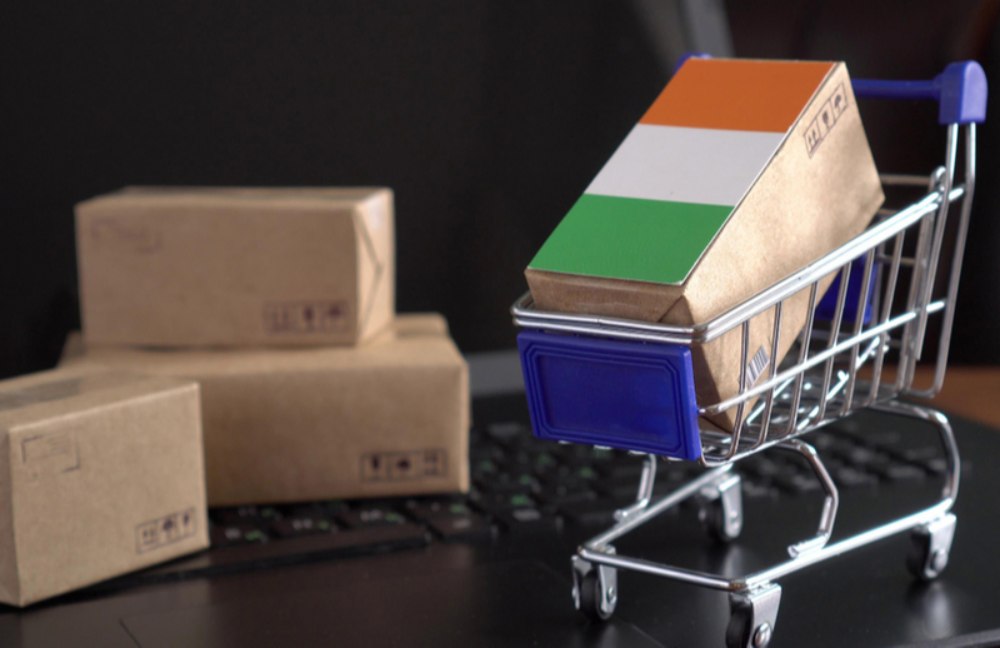
It combines something surprisingly absent in the Irish market: a single-cart checkout system that allows customers to purchase from multiple makers in one seamless transaction. In practical terms, that means a shopper can buy candles from Cork, jewellery from Donegal and ceramics from Kilkenny and check out once. Each maker fulfils their own order, but the buying experience feels unified and professional.
Why did the old retail model not add up?
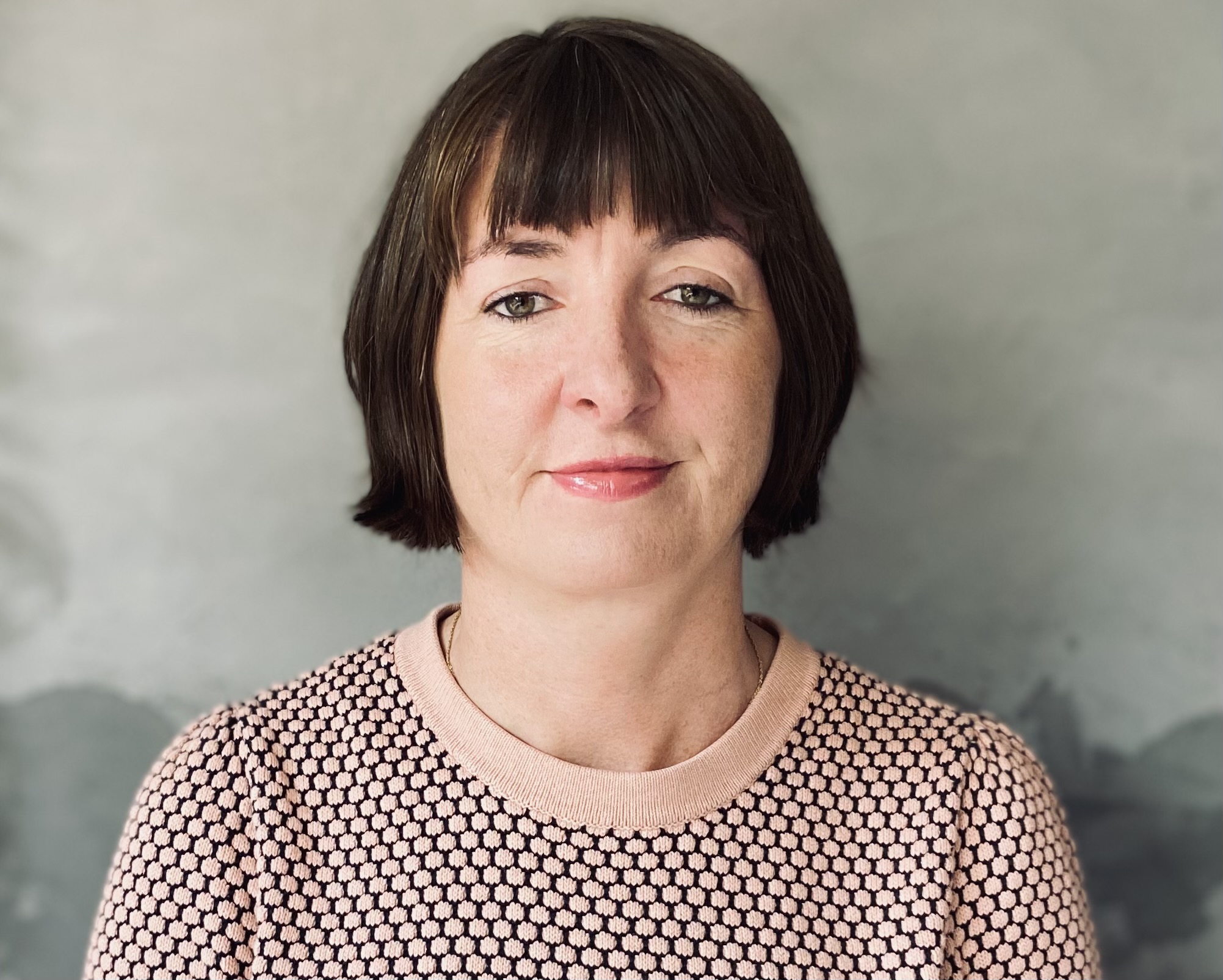
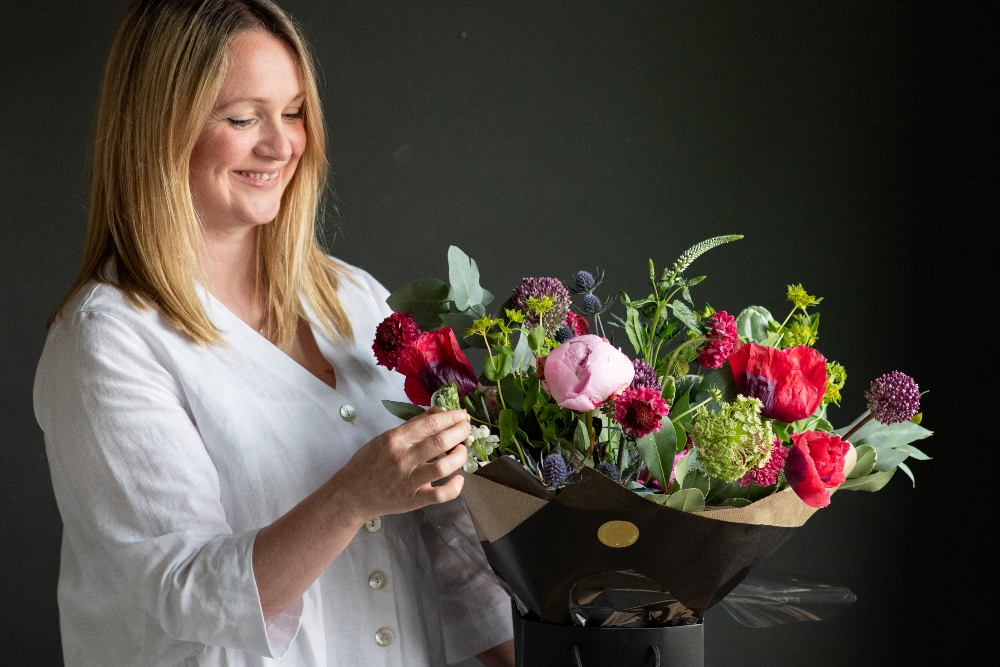 Betty Stuart, owner, Lulabelle & Co.
The idea was born from a simple observation. Ireland’s e-commerce market was valued at approximately €6.7 billion in 2024, yet many Irish creatives still rely heavily on physical markets, trade fairs and seasonal retail footfall to generate sales.
Events like showcase trade shows can cost thousands between stand fees, design, travel and stock. One strong wholesale order might cover the cost, but it rarely creates sustainable growth. The model is high risk, capital intensive and exhausting.
Moving online sounds straightforward, but the transition was anything but simple.
Lullabelle already had a functioning website with traffic, but building a true marketplace, particularly one with shared cart technology, required solving technical challenges that didn’t have off-the-shelf answers. It meant combining tools, refining code and building workflows that automatically routed orders to individual sellers. For a solo founder, that level of complexity would traditionally require external developers and significant capital.
How did AI become an advantage?
Technology, particularly AI, has changed that equation. Tasks that previously took days of research and troubleshooting can now be resolved in minutes. AI has become a problem-solving partner, generating code, refining logic and accelerating decision-making. But it is not a replacement for authenticity.
One of the clearest lessons learnt during the transition was that trust cannot be automated. Overly polished, AI-generated imagery undermines credibility. Consumers can sense what is real and what is not, and in a marketplace built on craft, provenance and Irish identity, authenticity is non-negotiable.
Curation is another deliberate decision. Lulabelle & Co is invitation-only. Sellers must meet clear criteria around brand presence, photography standards and product quality.
All products must be designed or made in Ireland. In an era where global platforms have become saturated and diluted, curation is a commercial strategy. It positions the platform at a higher tier of the market and builds consumer trust. Growth, in this case, is not about volume but about reputation.
How does community sit at the centre of the model?
The “Co” in Lulabelle & Co stands for community, collaboration and cooperation. The long-term vision extends beyond transactions to include Meet the Maker features, editorial storytelling, podcasts and peer conversations.
Phase one focuses on onboarding vendors and driving sales. Phase two, planned for 2027, introduces subscription elements and added value once the ecosystem is strong enough to support it. The sequencing is intentional. Monetisation follows momentum, not the other way around.
The journey has also exposed structural gaps in Ireland’s support ecosystem for SMEs. While grants and feasibility funding exist, many require upfront capital that fully bootstrapped founders simply do not have. There is a strong case for more pitch-based access to funding, particularly for viable tech-enabled businesses that sit at the intersection of retail and digital innovation.
Communities such as TechFoundHer are beginning to address part of that gap by supporting women building tech-led ventures, but access to capital and meaningful mentorship are still missing.
What does the next phase of growth look like?
The most significant lesson has been personal rather than structural. Running a business built around creativity and community requires empathy, but empathy without boundaries becomes unsustainable.
Learning the true meaning of “mind your own business”, protecting margins, setting professional boundaries and ensuring that the oxygen mask goes on first. Many founders, particularly in creative industries, overextend themselves in an effort to support others. Long-term sustainability requires a shift from reactive generosity to structured, strategic support.
Looking ahead, strategic partnerships form the next phase of growth. Financial institutions, enterprise bodies and design organisations could all play a role in expanding reach and credibility.
The ambition is straightforward: when Irish consumers think about buying beautiful, locally designed products, particularly at key retail moments like Christmas, we want Lulabelle & Co to be the first destination that comes to mind.
For small and medium-sized businesses watching this pivot unfold, the lessons are clear. If your current model is heavily reliant on high fixed costs and unpredictable footfall, it may be time to question the structure itself. Curation can be more powerful than scale. Community can be commercial.
And resilience is not about clinging to the original format, it is about being willing to rebuild the business around how the market behaves.
The future of retail in Ireland may lie in smarter ecosystems, shared platforms and founders who are willing to challenge the way things are usually done.
-
Bank of Ireland is welcoming new customers every day – funding investments, working capital and expansions across multiple sectors. To learn more, click here
-
For support in challenging times, click here
-
Listen to the ThinkBusiness Podcast for business insights and inspiration. All episodes are here. You can also listen to the Podcast on:
-
Spotify
-
SoundCloud
-
Apple