
Rotunda Hospital and Manna Air Delivery simulate rapid aerial transport of blood and clinical supplies as Irish healthcare explores faster, cleaner intra hospital logistics.
Is there anything Bobby Healy can’t do? While Manna Air Delivery is not actually delivering babies through the air like the fabled stork, it is potentially playing a key role in ensuring their safe delivery in hospitals via the timely arrival of urgent blood supplies.
Ireland has taken a step toward reshaping how hospitals move critical medical supplies with a new drone delivery simulation led by Dublin’s Rotunda Hospital and the Irish drone operator.
“The ability to move blood, samples and other critical supplies between hospitals at speed could transform how we support emergency and planned care in Ireland”
The demonstration modelled the rapid transport of blood and other urgent materials to Connolly Hospital in Blanchardstown, reflecting growing interest in how hospitals could reduce waiting times for diagnostics and emergency care.
Deliveries at speed
The trial was designed to show how an aerial delivery system might operate between two clinical sites. Hospital leaders say the benefits could be significant as pressure on acute services continues to rise.
John O’ Loughlin, laboratory manager at the Rotunda Hospital, said the ability to move samples and blood products at speed could reshape care pathways.
“The ability to move blood, samples and other critical supplies between hospitals at speed could transform how we support emergency and planned care in Ireland. Today’s simulation is a glimpse of that future,” he said.
The partners are presenting the exercise as a way to understand how the technology could be integrated safely into the Irish health system. Manna, which has developed its drone platform and software in Ireland, has been positioning itself as a leader in the move from consumer deliveries to medical logistics.
Bobby Healy, chief executive of Manna Air Delivery, said the company’s experience in suburban delivery gives it a strong foundation for healthcare use cases.
“We’ve proven this technology works at scale. What we’re showing now is how it can be applied in healthcare where minutes matter. Ireland is well placed to lead the way and this simulation is about building trust and momentum toward full integration,” he said.
Evidence from the UK has strengthened the case for investment in medical drone networks. The National Health Service has carried out trials across London and Dorset, with results that suggest drones can support faster treatment decisions.
Transport times for blood samples between Guy’s Hospital and St Thomas’ Hospital fell from more than 30 minutes by road to under two minutes by drone. A Dorset study found that drone services to 13 GP practices cut average delivery times by 83 per cent compared with traditional vans, a shift that clinicians said had improved the flow of pathology diagnostics.
Drones in emergency response situations
Irish researchers have also begun looking at the impact drones could have on emergency response. A simulation carried out last year using Manna’s technology examined how automated external defibrillators could be delivered to cardiac arrest patients at home.
The project, led by Dr Glenn Curtin in partnership with the HSE, National Ambulance Service and community first responder groups, showed that a defibrillator could reach a household in two minutes.
Swedish research has suggested that drones reach cardiac arrest cases more quickly than ambulances in 70% of incidents and can shorten response times by more than three minutes. Professor Joseph Galvin, a cardiologist and member of the Out-of-Hospital Cardiac Arrest Register Steering Group, described the findings as unusually promising.
“There’s nothing in all of healthcare that comes close in terms of the number of lives saved. This is radical and has great potential,” he said.
Although any live hospital-to-hospital operations will require regulatory approval, Manna’s platform is already being used commercially in Ireland under supervision from the Irish Aviation Authority and European regulators.
The company has delivered groceries, pharmacy goods and other time-sensitive items in suburban areas, including Dublin 15.
Over the past 18 months it has replaced more than half a million kilometres of road deliveries in that district and completed 48,000 flights. Its drones are fully electric and emit no carbon during operation, an environmental advantage the company argues will become more important as Ireland seeks to reduce emissions from transport.
Healthcare leaders say the next phase will involve more detailed analysis of clinical needs, operational risks and regulatory pathways.
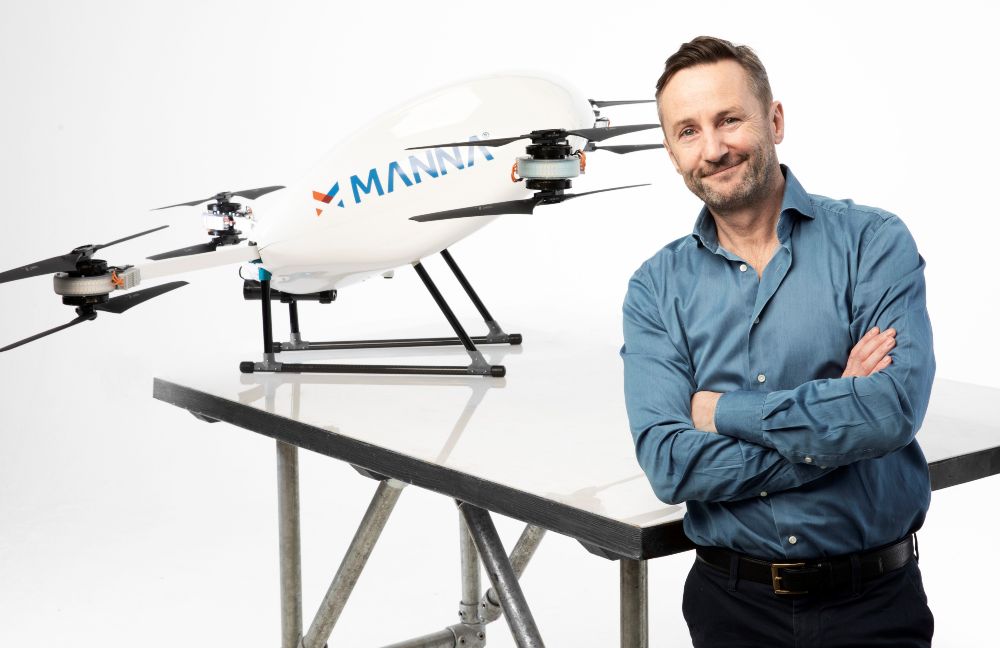
Top image: John O’ Loughlin, laboratory manager at the Rotunda Hospital
-
Bank of Ireland is welcoming new customers every day – funding investments, working capital and expansions across multiple sectors. To learn more, click here
-
For support in challenging times, click here
-
Listen to the ThinkBusiness Podcast for business insights and inspiration. Latest episodes are here. You can also listen to the Podcast on:
-
Spotify
-
SoundCloud
-
Apple