Podcast Ep 368: SFA director David Broderick warns a proposed 5.6% minimum wage increase could hit small firms hard as owner-managers look to Budget 2027.
Ahead of tomorrow’s Budget 2027 reveal, Small Firms Association (SFA) director David Broderick recently told the ThinkBusiness Podcast what owner-managers need from Government.
He said that Ireland’s smallest employers are heading into Budget 2027 with one figure dominating the conversation: the Low Pay Commission’s recommended 5.6% rise in the national minimum wage.
“This is the lifeblood of Ireland. We’re born and raised on this. The indigenous business was here long before any windfall taxes, and we’ll be here long afterwards”
The director of the Ibec group, which represents businesses with 50 employees or fewer, says members worn down by crisis after crisis were shocked.
“It is unthinkable that this Government would now come in and implement such a huge increase,” he said, warning the recommendation would lift the hourly rate from €14.15 to €14.79.
He said business costs remain the top concern for SFA members, followed by access to finance and attracting and retaining talent. For day-to-day trading, Broderick says, the main outcome of Budget 2026 last year for his members was another increase in the minimum wage.
KEY NUMBERS: Small Firms and Budget 2027
• €2bn held in the National Training Fund
• 32% increase in the minimum wage over three years
• 15% rise in average business hourly pay over three years
• 5.6% recommended increase in the national minimum wage
• Minimum wage to rise from €14.15 to €14.79 per hour
• €352m cost of proposed employer PRSI rebate scheme
• 22% of SMEs relying on family and friends for finance
• Just 5.1% of people in their twenties entering entrepreneurship
• 5,000+ SME leaders supported through MentorsWork since 2020
• €9m invested in MentorsWork mentoring programmes
Editorial takeaway: The figures illustrate the growing cost pressures facing Ireland’s smallest employers, alongside concerns about access to finance, entrepreneurship and skills investment ahead of Budget 2027.
Payrolls under strain
-
Listen to the ThinkBusiness Podcast for business insights and inspiration. All episodes are here. You can also listen to the Podcast on:
-
Spotify
-
SoundCloud
-
Apple
“To be fair to the Government, there’s a hell of a lot of costs that we can’t blame them for, and they’re making different impacts across the way to try and alleviate those costs,” Broderick said. “But the number one cost for small business is employment costs. So, looking into Budget 2027, they really want to see some hands-on relief.”
Broderick points to 11 consecutive years of minimum wage increases. “The hourly rate across business within the last three years has gone up 15%. Yet the minimum wage has gone up 32%,” he says.
Many small firms cannot pass that cost on. “I’ve had tears on the phone,” he says.
The SFA’s 2025 survey found family and friends were the next source of finance after the pillar banks, at 22%, a heavy added stress for owners. “It’s a hell of a lot of money to a hell of a lot of people.”
👉 No tech background needed to bring your business into the AI age! Secure your Google AI Professional Certificate to complete the certification at no cost. Apply now and get started!
Higher starting wages also weigh on youth hiring, and Broderick says only 5.1% of people in their twenties are moving into entrepreneurship. “That’s half the amount of Slovakia. So we’re the lowest in Europe of bringing in young entrepreneurs.”
On AI, SFA research shows owners are keen. “They know it can increase productivity,” Broderick says. “They just don’t know where to start.” He sees young, digitally savvy hires as a vital part of adoption, and dismisses fears of job losses. “I don’t see it that way at all,” he says. “You’re always going to need the human in the loop.”
The Budget 2027 asks
The SFA’s headline request is a PRSI rebate for the employers most affected by the transition to the living wage, which it has costed at about €352 million.
Broderick notes that last year’s VAT reduction reached about 25% of small businesses, and the rebate is aimed at the remaining 75%. He does not expect it in this Budget and says the SFA will keep pushing.
The association also wants Capital Gains Tax cut to 20%, or tapered by years in the business, a higher small benefit exemption, a share scheme with a €50,000 limit, and funding behind the 63 recommendations of the Cost of Business Advisory Forum, on which Broderick sat.
He calls it “tinkering around the tax system that isn’t going to break the bank of the exchequer.” “Their time and their cash flow is usually the other two most important things, and they’re normally very poor on both.”
Broderick is forceful on the National Training Fund, which holds close to €2 billion of employer contributions. That money, he believes, should flow to programmes such as MentorsWork, which the SFA runs with Skillnet Ireland.
“That is employers’ money. They have paid it in. It should be used for the reason it is, which is training and upskilling their staff.” Failing that, he says: “give it back, give it back to the employers.”
Why mentoring works
More than 5,000 SME owner-managers have taken part in the SFA-backed MentorsWork mentoring programme since 2020, representing an investment of around €9 million. Broderick says the programme answers a basic need. “Business leadership is a really lonely place.”
Participants apply free online for four mentoring sessions over 12 weeks, then can move on to consultancy and team training, each 60% funded.
He cites a new chief executive who joined believing her company had a culture problem. “It wasn’t a culture issue in the organisation. She actually needed a management information system.” “So here you have the full loop,” he says.
Small firms anchor towns and back local GAA clubs, and Broderick is clear on their staying power.
“This is the lifeblood of Ireland. We’re born and raised on this. The indigenous business was here long before any windfall taxes, and we’ll be here long afterwards. And we’re grateful for those, don’t get me wrong; a lot of my members are involved in the supply chain of those big businesses. We really need to support that small business owner. When it comes to wages, wages should reflect productivity and should reward productivity. So I think your point about youth unemployment and the raising of the minimum wage, it all does link back together quite specifically.
“You take small businesses out of a community, it’s detrimental to our towns,” he says. “We really want to see support in Budget 2027.”
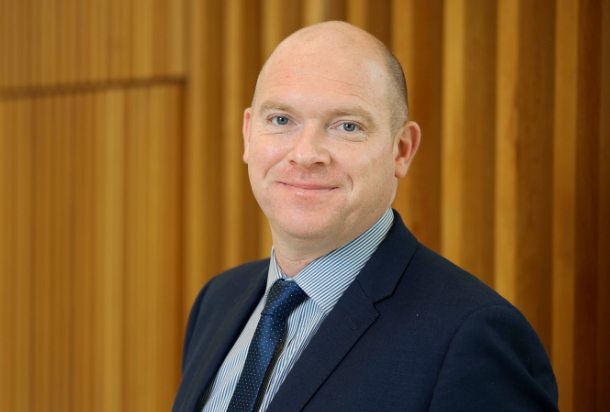
Image at top: David Broderick, director, Small Firms Association
Frequently Asked Questions: Budget 2027 and Small Business
What is the Small Firms Association’s main concern ahead of Budget 2027?
The SFA says rising employment costs are the biggest issue facing small businesses, with a proposed 5.6% increase in the national minimum wage adding further pressure on already stretched employers.
What would the proposed minimum wage increase mean?
The Low Pay Commission has recommended increasing the national minimum wage from €14.15 to €14.79 per hour, a rise of 5.6%.
Why does the SFA oppose the proposed increase?
According to David Broderick, many small firms cannot absorb additional payroll costs or pass them on to customers. He argues the increase could place significant strain on owner-managers already dealing with higher operating costs.
What support is the SFA seeking from Government?
The SFA is calling for a PRSI rebate for employers most affected by the transition to the living wage, along with tax measures designed to improve cash flow and competitiveness.
How much would the proposed PRSI rebate cost?
The SFA estimates its proposed employer PRSI rebate scheme would cost approximately €352 million.
What are the biggest challenges facing small businesses?
The SFA says business costs are the primary concern for its members, followed by access to finance and attracting and retaining skilled employees.
What is the National Training Fund and why is the SFA focused on it?
What is MentorsWork?
MentorsWork is a mentoring initiative run by the SFA and Skillnet Ireland. More than 5,000 SME owner-managers have participated since 2020, receiving mentoring, consultancy and training support.
How are small businesses funding growth?
SFA research found that family and friends are the second most common source of finance for small businesses after the pillar banks, accounting for 22% of funding sources.
What is the SFA’s view on AI adoption?
The SFA says many small business owners recognise AI’s potential to improve productivity but often lack the knowledge and skills to get started. David Broderick believes younger, digitally skilled employees can play a key role in accelerating adoption.
What does the SFA say about entrepreneurship among young people?
The association points to a low level of entrepreneurship among people in their twenties, with only 5.1% entering business ownership, which it sees as a concern for future economic growth.
Why are small firms important to local communities?
The SFA argues that small businesses support local employment, sustain town centres and contribute to community activities, making them a vital part of Ireland’s economic and social fabric.
👉 No tech background needed to bring your business into the AI age! Secure your Google AI Professional Certificate to complete the certification at no cost. Apply now and get started!
-
Bank of Ireland is welcoming new customers every day – funding investments, working capital and expansions across multiple sectors. To learn more, click here
-
For support in challenging times, click here
-
Listen to the ThinkBusiness Podcast for business insights and inspiration. All episodes are here. You can also listen to the Podcast on:
-
Spotify
-
SoundCloud
-
Apple