
Budget 2027 introduces a new Investment Account with a €50,000 tax-free threshold, simplified investing and access to shares, bonds and ETFs.
For decades, Irish households have been among Europe’s strongest savers, yet relatively few people have participated in investment markets.
Budget 2027 seeks to change that with the introduction of a new Investment Account designed to make investing simpler, more accessible and more tax efficient for ordinary savers.
“A tax-free threshold of €50,000, a flat tax of 1% on the value of the account above that and a maximum contribution limit of €12,000 per annum and no minimum contribution”
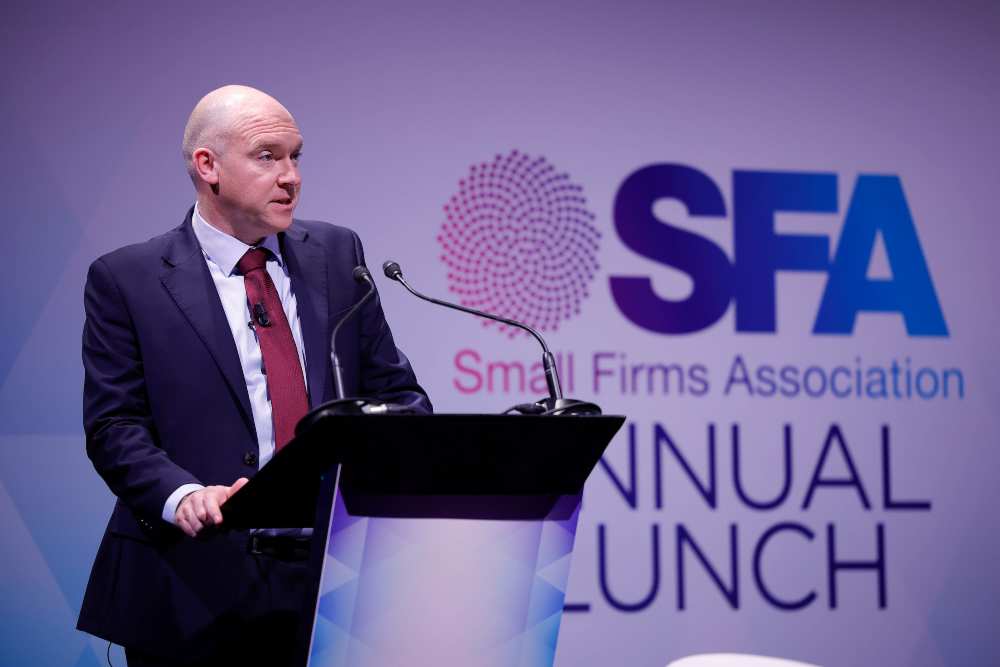
Announcing the measure as part of Budget 2027, Simon Harris TD said the Government wants to make investing “simpler, clearer and more accessible to people”.
The new accounts will open on 1 July 2027 and are being introduced as part of the Government’s broader reform of Ireland’s retail investment landscape.
KEY NUMBERS: Budget 2027 Investment Account
• €50,000 tax-free account value threshold
• 1% annual tax rate above €50,000
• €12,000 maximum annual contribution
• €1,000 monthly equivalent contribution limit
• 1 July 2027 scheme launch date
• One account permitted per individual
• 18+ minimum age requirement
• No CGT, Dividend Withholding Tax or deemed disposal
• Provider-managed tax reporting for Revenue compliance
Editorial takeaway: The new Investment Account represents Ireland’s most significant retail investing reform in years, combining tax simplification, low taxation and easier market access to encourage savers to become investors.
What is the new Investment Account?
The Investment Account is a new savings and investment vehicle that will allow Irish tax residents aged 18 and over to hold a range of investments in a simplified tax environment. Each individual will be permitted to hold one account.
Eligible investments will include listed shares, listed bonds, exchange-traded funds (ETFs) and certain regulated investment funds suitable for retail investors. Crypto assets, derivatives and other highly complex products will not qualify.
👉 No tech background needed to bring your business into the AI age! Secure your Google AI Professional Certificate to complete the certification at no cost. Apply now and get started!
The Government says the initiative is intended to broaden participation in capital markets while giving people greater choice in how they manage their savings and investments.
The headline figure: €50,000 tax-free
The most eye-catching feature of the scheme is its €50,000 tax-free threshold. Account holders will be able to build investments up to that value without incurring tax within the account.
Once the value of the account exceeds €50,000, a flat annual tax rate of 1% will apply to the amount above the threshold.
Explaining the measure in the Dáil, Simon Harris said there will be “a tax-free threshold of €50,000, a flat tax of 1% on the value of the account above that and a maximum contribution limit of €12,000 per annum and no minimum contribution”.
Under the structure announced in Budget 2027, an investor with an account valued at €60,000 would pay tax only on the €10,000 above the threshold.
How much can people invest?
The maximum annual contribution will be €12,000, equivalent to €1,000 per month. There will be no minimum contribution requirement.
According to Simon Harris, the combination of the €12,000 annual contribution limit and €50,000 tax-free threshold means it is “extremely unlikely that any tax will be due in the first few years following the opening of an account, even where the maximum contribution is made”.
One of the most significant aspects of the new system is what has been removed.
The Government has confirmed that investments held within the account will not be subject to Capital Gains Tax, Dividend Withholding Tax, Investment Undertaking Tax or Life Assurance Exit Tax. The deemed disposal rule will also not apply.
The deemed disposal rule has long been viewed as a barrier to investing in funds and ETFs because of the complexity it creates for investors.
The new account is intended to replace multiple tax treatments with a simpler structure based on the account’s value.
No Revenue paperwork for investors
The Government is also seeking to reduce administrative burdens.
Rather than requiring individual investors to calculate and report taxes themselves, account providers will be responsible for calculating, reporting and paying any tax due to Revenue.
Simon Harris said: “Crucially, there will be no requirement for people to engage with Revenue when it comes to normal administration of the account. That responsibility will fall to the provider.”
Banks, investment firms and insurers will be among the organisations expected to offer the accounts.
Why the Government is introducing the scheme
The Investment Account forms part of the Government’s roadmap for retail investment reform, published in August.
That roadmap stated that the new account would provide “a simple, accessible and tax-efficient option for people who choose to invest” and would help broaden participation in capital markets.
The policy reflects a belief that many Irish households have substantial savings but limited exposure to long-term investment products that can potentially generate higher returns over time.
Speaking when the roadmap was published, Simon Harris said: “Irish people are good at saving. Every week and every month, people work hard to put something aside to build financial security for themselves and their families.”
A significant shift in personal finance
The Investment Account is set to become one of the most notable personal finance measures introduced in Budget 2027.
By combining a €50,000 tax-free threshold, a low flat-rate tax above that level, access to mainstream investment products and simplified administration, the Government is seeking to make investing more approachable for ordinary households.
Whether it succeeds in encouraging more people to invest will become clear after accounts open on 1 July 2027. What is already clear is that Budget 2027 has created a new option for savers looking beyond traditional deposit accounts and State savings products.
FAQs: What is the new Investment Account announced in Budget 2027?
The Investment Account is a new savings and investment vehicle for Irish tax residents aged 18 and over. It allows investors to hold shares, bonds, ETFs and certain regulated investment funds within a simplified tax framework.
When will the Investment Account become available?
The new accounts are due to open on 1 July 2027.
How much can I invest each year?
Individuals can contribute up to €12,000 per year. There is no minimum contribution requirement.
What is the €50,000 tax-free threshold?
The first €50,000 of value held in the account will not be subject to tax within the scheme.
What happens if the account grows above €50,000?
A flat annual tax rate of 1% will apply to the portion of the account value above €50,000.
What investments can be held in the account?
Eligible investments include listed shares, listed bonds, exchange-traded funds (ETFs) and certain regulated investment funds aimed at retail investors.
Are cryptocurrency investments allowed?
No. Crypto assets, derivatives and other highly complex investment products will not qualify.
Will investors need to deal directly with Revenue?
No. Account providers will calculate, report and pay any tax due, removing the need for routine Revenue administration by individual investors.
What taxes will not apply within the account?
Capital Gains Tax, Dividend Withholding Tax, Investment Undertaking Tax, Life Assurance Exit Tax and the deemed disposal rule will not apply to investments held within the account.
Why is the Government introducing the scheme?
The Government says the measure is designed to make investing simpler, broaden participation in capital markets and give savers more options beyond traditional deposit accounts.
👉 No tech background needed to bring your business into the AI age! Secure your Google AI Professional Certificate to complete the certification at no cost. Apply now and get started!
-
Bank of Ireland is welcoming new customers every day – funding investments, working capital and expansions across multiple sectors. To learn more, click here
-
For support in challenging times, click here
-
Listen to the ThinkBusiness Podcast for business insights and inspiration. All episodes are here. You can also listen to the Podcast on:
-
Spotify
-
SoundCloud
-
Apple