

Biomethane pilot links malting and distilling in push for lower-carbon whiskey. Gas Networks Ireland initiative highlights practical route to cutting emissions in high-heat food and drink production.
Gas Networks Ireland has partnered with the Malting Company of Ireland and Ahascragh Distillery on a new biomethane pilot designed to reduce emissions in the whiskey supply chain, while maintaining existing industrial processes.
The initiative focuses on the use of certified biomethane in barley malting, an energy-intensive stage in whiskey production that requires sustained high temperatures. The malt produced through the pilot is then supplied to Ahascragh Distillery in Galway for use in its whiskey production.
“This initiative demonstrates the important role that biomethane can play in supporting important Irish industries, including the food and beverage sector, to continue producing high quality products while reducing their carbon footprint”
The project is intended to demonstrate how renewable gas can support decarbonisation across sectors where electrification remains difficult, particularly in processes such as kilning, where grain is dried using heated air.
The Malting Company of Ireland, which has been in operation since 1858 and supplies both domestic and international brewing and distilling markets, carried out the pilot at its Cork facility. Gas is a core input in the kilning process, widely recognised as the most energy-intensive stage of malting.
Biomethane in the jar
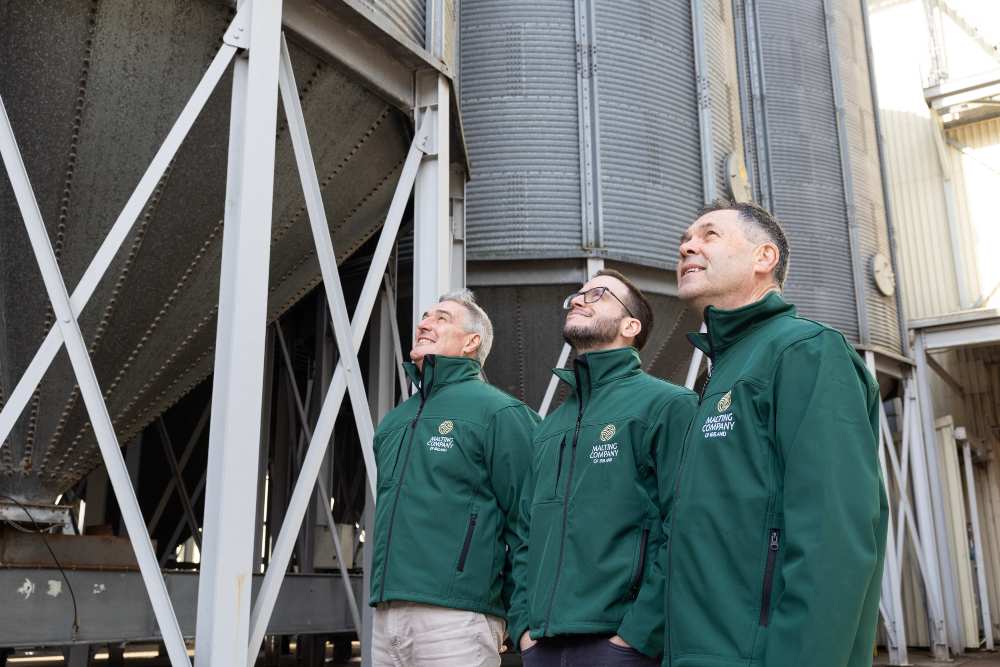
Jennifer Harte, Head of Customer and Communications at Gas Networks Ireland, said the pilot reflects growing demand from industry for workable emissions reduction solutions.
“Reducing emissions in industries that rely on high heat processing is a challenge for our customers,” she said. “This initiative demonstrates the important role that biomethane can play in supporting important Irish industries, including the food and beverage sector, to continue producing high quality products while reducing their carbon footprint.”
Harte added that the organisation continues to work closely with large energy users on measures that support sustainability alongside operational resilience.
“At Gas Networks Ireland, we work closely with our large customers to help them explore practical decarbonisation solutions that support competitiveness, sustainability and long-term energy security,” she said.
For the Malting Company of Ireland, the pilot offered an opportunity to test a lower-carbon fuel source without altering established production systems.
Chief executive Paul McGillicuddy said the findings were encouraging from both an operational and environmental perspective.
“We have been malting barley since 1858, and sustainability is critically important to the future of our business,” he said. “The source of our energy matters enormously, particularly for a heat-intensive process like malting.”
He noted that the transition required no changes to existing equipment.
“What has been particularly encouraging about this biomethane initiative is that we are able to continue operating using the same process and equipment,” McGillicuddy said. “It demonstrates the real potential renewable gas has to help industries like ours reduce emissions in a practical way.”
Ahascragh Distillery is using the biomethane-produced malt as part of its broader sustainability strategy. The distillery, which positions itself as Ireland’s first eco-distillery, is already fully powered by renewable energy.
Co-founder Gareth McAllister said the collaboration allows the business to address emissions beyond its own direct operations.
“At Ahascragh Distillery, sustainability is central to how we operate,” he said. “We are already powered entirely by renewable energy, so naturally we want to reduce emissions across our supply chain too.”
He added that the pilot contributes to reducing Scope 3 emissions linked to raw materials.
“This collaboration helps reduce the Scope 3 emissions associated with the malt we use in our distilling process and shows the positive impact businesses can achieve when working together,” McAllister said.
Why biomethane matters
The initiative comes as Gas Networks Ireland continues to expand the role of renewable gas in the national energy system. Over the past three years, the company has secured agreements for seven biomethane production plants to connect to the gas network, with further projects in development.
In recent weeks Gas Networks Ireland agreed to connect a new €80 million biomethane facility in Co Cork to the national gas grid, marking a further expansion of Ireland’s renewable gas infrastructure and circular economy ambitions. The project, being developed by Stream BioEnergy at Little Island, is currently under construction and is expected to begin operations in 2027.
Biomethane is seen as a key option for decarbonising sectors that require consistent high-temperature heat, offering compatibility with existing gas infrastructure while lowering lifecycle emissions.
The pilot provides an early example of how the Irish agri-food and drinks sector can integrate renewable gas into established supply chains, from grain processing through to finished spirits, without disrupting production methods.
-
Bank of Ireland is welcoming new customers every day – funding investments, working capital and expansions across multiple sectors. To learn more, click here
-
For support in challenging times, click here
-
Listen to the ThinkBusiness Podcast for business insights and inspiration. All episodes are here. You can also listen to the Podcast on:
-
Spotify
-
SoundCloud
-
Apple