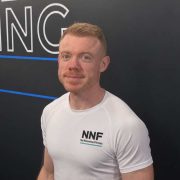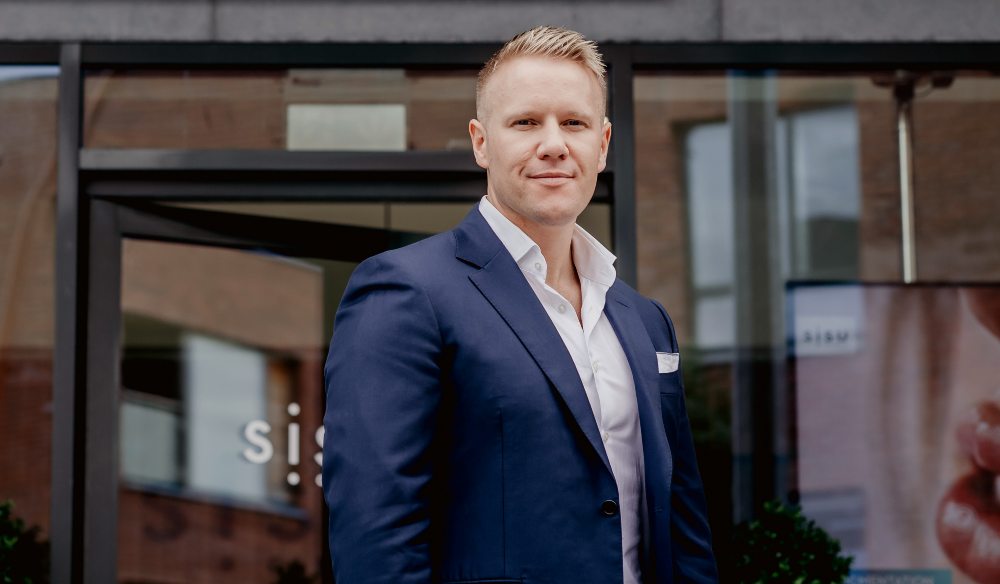

Podcast Ep 366: Thérapie Clinic medical director Dr Thomas Cryan says the Irish aesthetics group will hit 100 clinics by year-end but warns safety must remain the priority as demand for procedures grows.
Thérapie Clinic expects to reach 100 clinics by the end of the year, and its medical director has set out ambitions for “hundreds of clinics” with the UK as the main focus.
Dr Thomas Cryan, speaking on the ThinkBusiness Podcast, powered by Bank of Ireland, said the Irish-founded aesthetics group recently opened its 90th clinic. “We will have probably 100 clinics by the end of the year. That is a goal that is kind of well on target at the moment,” he said.
“A lot of people maybe have the misconception about aesthetic treatments that it’s about vanity and something superficial, but it’s often much more deeply personal than that”
The group was founded in 2002 by the late Paul McGlade, with the first location opening on Molesworth Street in Dublin. It employs more than 1,500 people across Ireland, the UK and the US, where it runs two clinics in Manhattan. Its latest Irish opening, in Midleton, Co Cork, carried an investment of €500,000.
KEY POINTS: Thérapie Clinic Growth & Aesthetic Treatments
• Demand for aesthetic treatments continues to rise globally
• Growing acceptance of non-surgical cosmetic procedures
• Reduced stigma around discussing treatments publicly
• Increased consumer focus on wellness and self-confidence
• Patient safety identified as the sector’s key challenge
• Medical oversight central to treatment delivery
• Expansion plans underpinned by clinically led model
• Strong consumer demand driving continued growth
Editorial takeaway: The aesthetics market is entering the mainstream, but providers argue that growth must be matched by robust medical oversight and patient safety standards.
Post-Covid demand
-
Listen to the ThinkBusiness Podcast for business insights and inspiration. All episodes are here. You can also listen to the Podcast on:
-
Spotify
-
SoundCloud
-
Apple
Thérapie opened 24 clinics in the year after the pandemic. “There was just that pent-up demand with it, and it has continued to grow over the last five and 10 years or beyond that,” Dr Cryan said.
“The demand in this industry is really booming, particularly in that sort of post-Covid era. We’ve certainly seen a massive growth in that year post-Covid alone. We opened 24 new clinics because we were in a position to do so. There was just that pent-up demand with it, and it has continued to grow over the last five and 10 years or beyond that.
“We are seeing people come for all sorts of reasons, usually very personal reasons. So a lot of people maybe have the misconception about aesthetic treatments that it’s about vanity and something superficial, but it’s often much more deeply personal than that. People come to us with very real concerns about addressing something that’s bothering them, and ultimately the goal is to help make them feel better. And that’s the really kind of crux of why this industry has grown so much. It’s part of that wellness and health space that has grown as an industry as well over the last couple of years. People are investing more in looking after themselves, their self-care, their general wellbeing; aesthetics is just a small part of that.”
👉 No tech background needed to bring your business into the AI age! Secure your Google AI Professional Certificate to complete the certification at no cost. Apply now and get started!
He identified the UK as the group’s biggest source of demand. “It’s a much bigger market. The industry itself is much more fragmented, so it’s made up of a lot of smaller, maybe more isolated clinics,” he said. “So there’s certainly that opportunity for us to kind of step into that and really kind of meet demand for a brand that sort of provides that trust factor and a doctor-led approach to it.”
He credits two decades of groundwork for the current pace. “What looks like maybe an overnight success in one regard, it’s kind of done very strategically, very methodically.”
Regulation gap
Dr Cryan grew up in Roscommon, studied medicine at NUI Galway and qualified as a GP before moving into aesthetics. He recently took first place in a global mentorship programme led by aesthetics pioneer Dr Maurício de Maio.
He described patient safety as “the core issue” and said oversight of injectables has fallen behind the sector’s growth. “We don’t really have strict enough regulations about who can inject, where they can inject, the products that they’re using to inject,” he said.
The industry remains “in its kind of toddler phase”, according to Dr Cryan, and reform “needs political will to change”. He pointed to the Royal Society of Medicine’s recognition of aesthetic medicine as a specialty in its own right as a boost for standards and advocacy.
Scaling up
The business has invested €4.5 million in its Irish clinics since 2025.
“There’s certainly local demand; where we see the biggest demand is definitely in the UK market.
“And then we have two clinics in the US as well in Manhattan, one in Flatiron and one in Upper East Side. So demand is everywhere. This isn’t just a local or national phenomenon. It’s a global phenomenon that this aesthetics industry is booming, and our intention is to meet that demand head on.
People and systems
Consistency across a fast-growing network depends on staff and process. “We really want people to have a treatment in Athlone one month, and then in Carrickmines or in London the next month, and have a very similar high-class experience,” he said.
New clinics draw heavily on existing teams. “They’re not a whole new start-up of new staff that are hired by the company. They’re often sort of taken from other clinics and brought in there,” Dr Cryan said.
Staff who started at front of house are now “managing groups of some of our most successful clinics”.
AI and data
Dr Cryan expects AI to play a larger role in healthcare over the next five to 10 years, from ambient clinical note-taking to analysis of patient reviews.
“Data is a big focus for the company,” he said. Using AI to “question it and sort of extrapolate certain initiatives or ideas or recommendations” is “so critical for a business this size”, he added.
He has little time for consumer apps that suggest treatments from an uploaded photo. “I don’t like that sort of very dry consumerist approach,” he said.
Knowing when not to treat
Heavy marketing and social media leave many patients confused, Dr Cryan said, and younger patients in particular sometimes need no treatment at all. “We need, as doctors and healthcare providers, to know when to not treat, and that’s almost equally as important.”
His next goal draws on his GP background, with a push into preventative health and screening. “I’d love to see the clinics becoming more part of that sort of health space, and that’s kind of one of my own personal ambitions for this role over the next kind of couple of years.”
He says the market has changed in how it views aesthetic treatments. They are less of a taboo. “And I think it’s a good thing. I think we’re seeing this real normalisation of these treatments now. People are really comfortable talking about them. There’s no kind of taboo, or certainly the taboo is much less than it used to be about sort of saying that you got a treatment like this, so I think that’s a real healthy, positive thing because it helps empower people to make decisions that are ultimately in their best interest, provided they’re done in a safe way.
“I think what we really need to guard against is the sort of casualisation of it, because that’s what sometimes can then trivialise risk, because these things do have risk with it; there are real safety concerns. They need to be done in a medically responsible way, and I think that’s what Thérapie’s model is about. We’re expanding and growing, but we’re providing that service that’s really meaningful and important for people.”
Frequently Asked Questions
What is driving the growth in aesthetic treatments?
Growing consumer confidence, wider awareness of treatment options, and reduced stigma around cosmetic and wellness procedures are helping to drive demand. More people are viewing aesthetic treatments as a routine part of personal wellbeing and self-care.
Why is the stigma around cosmetic treatments decreasing?
Industry leaders say people are increasingly comfortable discussing the treatments they have received. Greater openness on social media, improved public understanding, and broader acceptance of wellness-focused healthcare have helped make these conversations more mainstream.
What are the risks associated with aesthetic treatments?
All medical and aesthetic procedures carry some level of risk. Potential concerns can include adverse reactions, complications from incorrect administration, and unsatisfactory outcomes if treatments are not performed by properly qualified professionals.
Why is patient safety important in the aesthetics sector?
Patient safety is critical because aesthetic procedures involve medical interventions that require professional assessment, clinical oversight, and appropriate aftercare. Safe practices help minimise risks and improve outcomes for patients.
What does Thérapie Clinic mean by avoiding the ‘casualisation’ of treatments?
The company argues that while aesthetic treatments have become more accepted, they should not be viewed as risk-free or undertaken without proper medical guidance. Treating procedures too casually can lead people to underestimate potential health and safety considerations.
How is Thérapie Clinic responding to growing demand?
Thérapie Clinic is expanding its services while maintaining a medically led approach to treatment delivery. The company says its focus remains on providing professional care, clinical standards, and a safe experience for patients.
What should consumers consider before undergoing an aesthetic treatment?
Consumers should research providers carefully, verify qualifications and medical oversight, understand the potential risks and benefits, and ensure they receive a personalised consultation before proceeding with any treatment.
Are aesthetic treatments becoming more mainstream in Ireland?
Yes. Industry experts report growing acceptance of aesthetic procedures across a broader range of age groups and demographics, reflecting a wider trend towards proactive health, wellness, and appearance management.
👉 No tech background needed to bring your business into the AI age! Secure your Google AI Professional Certificate to complete the certification at no cost. Apply now and get started!
-
Bank of Ireland is welcoming new customers every day – funding investments, working capital and expansions across multiple sectors. To learn more, click here
-
For support in challenging times, click here
-
Listen to the ThinkBusiness Podcast for business insights and inspiration. All episodes are here. You can also listen to the Podcast on:
-
Spotify
-
SoundCloud
-
Apple