
Businesses urged to consider solar energy for long-term resilience.
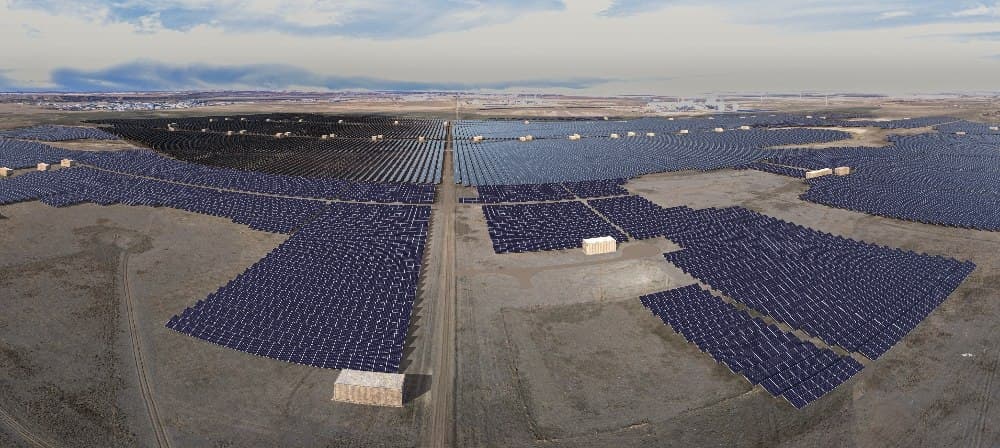
Energy firm Pinergy says longer daylight hours are a timely reminder for Irish businesses to review commercial solar options and start saving money.
As clocks spring forward, bringing longer and brighter days, Pinergy, the energy transition company, is encouraging Irish businesses to consider whether solar could help reduce energy costs and improve long-term resilience against the backdrop of a volatile energy market.
“The longer days are a seasonal prompt for businesses to look again at their energy use and whether solar and batteries could make financial sense for them”
According to Pinergy’s latest ‘Energy Sustainability Research Study’ conducted in collaboration with iReach Insights, cost savings remain the main reason businesses invest in sustainability measures. The extended daylight hours offer an opportunity for businesses to maximise their energy independence and drive down costs.
With solar and battery technology becoming more widely available and more efficient, Pinergy advises enterprises to think strategically about converting sunlight into a long-term asset.
“The longer days are a seasonal prompt for businesses to look again at their energy use and whether solar and batteries could make financial sense for them,” said Daire Keating, chief commercial officer at Pinergy.
“Our research shows that cost remains the main driver, but many businesses are still unsure where to start. We partner with our clients in understanding their business needs and subsequent energy demand. By checking the practical requirements early and exploring finance options businesses are well positioned to make the process much more straightforward.”
Tips for going solar
Keating shares his top tips below for those considering solar for their business:
Tip 1: Treat Solar as a Long-Term Infrastructure Investment
Solar is often seen first as a sustainability measure, but we need to shift that perspective and view it as a crucial piece of business infrastructure. A well-designed solar system is a strategic asset offering a 20-25 year energy hedge and can help reduce exposure to energy price volatility over the long term, while offering predictable savings and a measurable return on investment. The typical payback is anywhere between two to six years, so a great use of precious capital. Pinergy’s research identified cost efficiencies as the overwhelmingly top driver (68%) for businesses investing in sustainable initiatives. Taking a strategic view of infrastructure investment will enable businesses to align their cost motivations with long term operational efficiencies.
Tip 2: Know Your Energy Consumption Inside Out
Before installing solar, businesses need to understand how and when they use electricity. Optimal solar installations are precisely matched to your daytime electricity demand, so reviewing consumption patterns in advance is essential. This foresight prevents costly oversizing and ensures maximum financial viability.
Pinergy’s Energy Sustainability Research Study highlights an existing energy monitoring gap. While 46% of businesses actively monitor their energy use, 25% only check it when the bill arrives and 29% say they do not meaningfully monitor it at all. This means many businesses have work to do to fully understand their consumption patterns before installing solar systems.
Tip 3: Proactively Check Grid Connection & Compliance Requirements
Installing commercial solar and batteries involves more than fitting panels to a roof. Businesses in conjunction with their energy partners should assess grid connection requirements and capacity, potential export limits, and all necessary safety and building regulations. Addressing these critical factors, from fire safety and structural integrity to electrical compliance, during the feasibility stage prevents delays and safeguards your long-term investment.
Tip 4: Plan for Sustained Performance
A solar system is a 25-year asset, so maintenance and monitoring matter. Its true value comes from consistent performance over its lifetime. Businesses with a plan in place from the outset are well positioned to track system performance and deal quickly with any issues that could affect output. Our proactive approach in conjunction with our clients protects their financial return, and ensures any underperformance is caught and corrected quickly, rather than going unnoticed and eroding your savings. Pinergy’s research found a concerning ‘Sustainability Leadership Vacuum’, with 28% of businesses confirming no single individual or department is formally responsible for driving energy management and sustainability initiatives. That lack of ownership and data can make it harder to get the full value from an energy investment over time.
Tip 5: Explore the Various Funding Options Available
Upfront cost remains a barrier for many businesses, even where the long-term case is strong. Pinergy’s Energy Sustainability Research Study found that 42% of businesses cite upfront investment as the biggest hurdle to energy efficiency measures, while 29% point to difficulties securing finance or capital. Businesses should make an effort to understand the range of funding options available and what will best suit their needs. There is a wide range of options now available to businesses from solar-as-a-service pricing models, power purchase agreements right through to green financing packages now on the market.
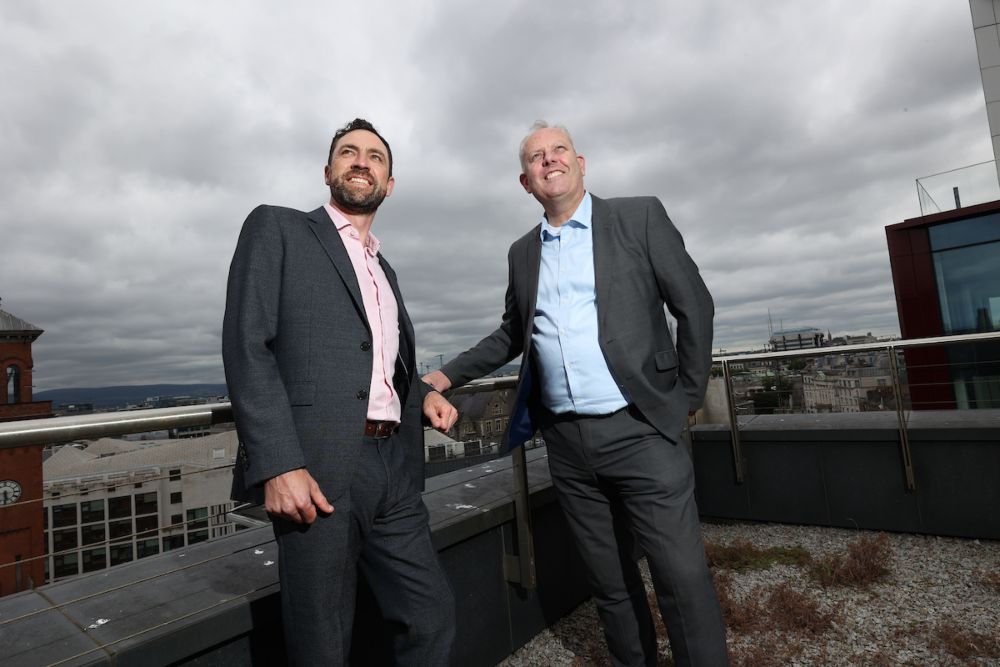
Top image: Daire Keating, Chief Commercial Officer at Pinergy
-
Bank of Ireland is welcoming new customers every day – funding investments, working capital and expansions across multiple sectors. To learn more, click here
-
For support in challenging times, click here
-
Listen to the ThinkBusiness Podcast for business insights and inspiration. Latest episodes are here. You can also listen to the Podcast on:
-
Spotify
-
SoundCloud
-
Apple