
Softening domestic demand and rising wage pressures shape outlook, says Gerardo Larios Rizo, head of Hospitality Sector at Bank of Ireland in his 2026 Outlook
Ireland’s hotel industry heads into 2026 with cautious confidence after a year marked by strong room rates, volatile visitor patterns and the growing influence of the North American market.
A new analysis from Bank of Ireland shows that hotel revenue per available room increased by 3% in 2025 despite uneven performance across regions. The national picture masks ongoing weakness in domestic demand and mounting pressure from wage increases due early this year.
“There is optimism in the market. Hotels that adapt quickly on pricing, staffing and sustainability will position themselves well for 2026”
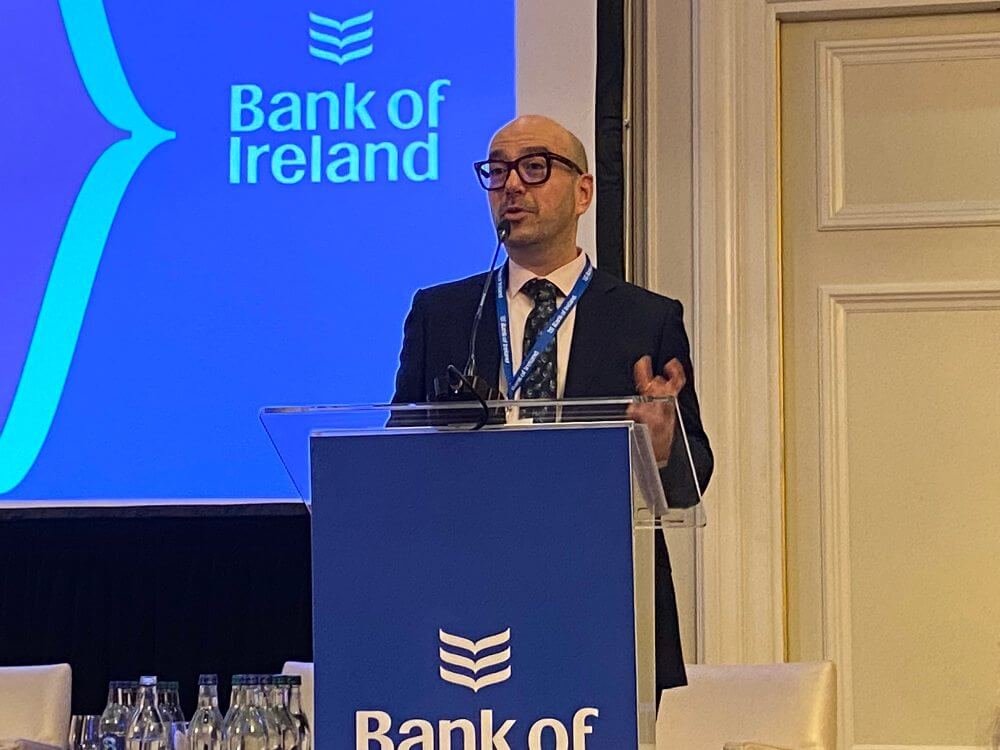
Gerardo Larios Rizo, Head of Hospitality Sector at Bank of Ireland and author of the report, says the sector “held firm in 2025 even as the profile of the Irish traveller shifted and operators navigated higher costs.”
He adds that many hotel groups “used the year to strengthen their commercial strategy and invest in product upgrades that will matter in the long run.”
North American visitors become pivotal
Inbound travel recovered in the second half of 2025 after a sluggish start, driven largely by the US and Canada. Visitors from these markets accounted for 28 per cent of all overnight stays, three points higher than a year earlier. Air capacity between the US and Ireland expanded and now represents about 13 per cent of total seats into the Republic.
Larios Rizo says American and Canadian visitors are “now central to Irish tourism performance” and notes that their resilience has been crucial for city hotels.
He warns that this dependence also brings risk. In his words, “Ireland is more exposed to US economic sentiment and exchange rate movements than at any time in the past decade.”
Domestic travel softened in comparison. Irish trips within the country fell by six per cent in the year to September, although overall spending held steady. Outbound travel continued to rise, reflecting a shift in consumer priorities.
Cost pressures intensify into 2026
Rising labour costs remain the single biggest concern for hotel owners. From January 2026, the national minimum wage rises to €14.15 per hour. Employers also shoulder new pension auto‑enrolment contributions and higher PRSI rates later in the year. Northern Ireland operators face increases as well, including a higher minimum wage from April.
“These cost changes will test operating margins across the sector,” Larios Rizo says. “Hotels that rely heavily on food and beverage income will feel it most, because labour intensity is higher and price sensitivity is growing among diners.”
Foodservice operators have already faced sharp menu inflation since 2020. Even with revenues of €10.8 billion last year, the report notes that many restaurants and cafés still struggle with profitability.
Regional performance splits the map
Dublin finished 2025 with higher occupancy despite new hotel openings, supported by a strong events calendar that included the NFL match and large concerts. Galway held steady as new supply came onto the market. Cork delivered the strongest gains outside Dublin with revenue per available room up more than five per cent. Kilkenny proved the standout performer with a 6.6 per cent rise.
Northern Ireland struggled to match earlier highs. Belfast saw a fall in both occupancy and average room rate, leading to a decline in RevPAR. Derry experienced a notable drop in occupancy that was only partly offset by higher rates.
Transaction activity in the wider Republic reached a record €1.7 billion in 2025, including major acquisitions by Dalata, TMR and the government’s purchase of Citywest.
Investment turns to refurbishment and sustainability
Hotel owners continue redirecting capital away from large new builds and toward refurbishments, energy efficiency measures and guest experience upgrades. The report highlights ongoing investment in high‑end properties such as The Dunloe and Dromoland.
Larios Rizo says operators are placing “much more strategic focus on asset life extension, sustainability improvements and targeted segmentation.”
He points to the growing use of Bank of Ireland’s sustainability planning tools as businesses prepare for 2030 emissions requirements.
Alternative accommodation also gained ground in 2025, including new hostels in Dublin and the expansion of outdoor lodging supported by Fáilte Ireland. International hotel brands increased their footprint, adding competitive pressure for independent operators.
Early 2026 may bring fresh uplift
The removal of the Dublin Airport passenger cap this winter is expected to increase scheduled seat capacity by about 15%.
Larios Rizo expects this to translate into “meaningful gains in visitor numbers and spending during the first quarter” provided global conditions remain stable.
He sees signs of opportunity for the year ahead. “There is optimism in the market,” he says. “Hotels that adapt quickly on pricing, staffing and sustainability will position themselves well for 2026.”
However, he cautions that operators must remain disciplined. “The challenge will be to protect rate integrity while keeping value at the forefront of the guest experience. Travellers are highly price aware and they want authenticity and consistency.”
The report forecasts moderate overall growth for the sector this year, supported by continued US demand, selective investment and more stable inbound travel patterns.
Yet the push and pull of rising costs, competitive pressures and shifting consumer expectations ensure 2026 will demand close attention from Ireland’s hoteliers.
Read more:
Top image: Photo by Rhema Kallianpur on Unsplash
-
Bank of Ireland is welcoming new customers every day – funding investments, working capital and expansions across multiple sectors. To learn more, click here
-
For support in challenging times, click here
-
Listen to the ThinkBusiness Podcast for business insights and inspiration. All episodes are here. You can also listen to the Podcast on:
-
Spotify
-
SoundCloud
-
Apple