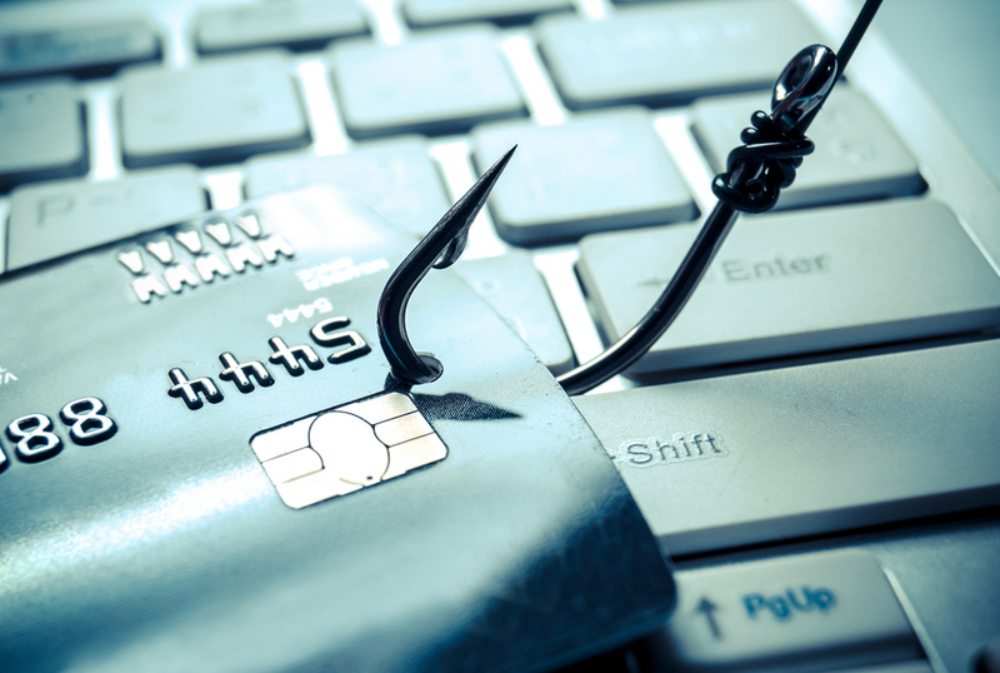

Bank of Ireland warns shoppers to “Stop, Think, Check” as purchase, impersonation and investment scam cases rise in 2026.
Purchase scams have recorded a sharp increase in Ireland this year, with Bank of Ireland reporting a 68% rise in cases during the first nine months of 2026.
The increase, covering January to September compared with the same period last year, comes as consumers head into the busy Black Friday and Christmas shopping period.
“Fraudsters are increasingly using fake websites, social media adverts, cloned brands and AI-generated content, including fake endorsements and manipulated videos, to make scams appear genuine”
Purchase scams typically involve goods or services advertised through websites, online marketplaces or social media that never arrive or are not as advertised.
Bank of Ireland is urging consumers to “Stop, Think And Check” before making purchases online, particularly when encountering advertisements or offers through social media.
The Bank’s figures show that purchase scams recorded the largest increase among five prominent categories of fraud. Impersonation scam cases rose by 26%, while investment scams increased by 24%.
The amount of money lost to fraudsters through scam texts, emails and phone calls increased by 11% between January and September 2026 compared with the same period in 2025.
Across the five scam categories highlighted by Bank of Ireland, the amount of money scammed increased by a combined 8%.
KEY NUMBERS: Fraud trends
- 68% increase in purchase scam cases, January to September 2026
- 26% increase in impersonation scam cases
- 24% increase in investment scam cases
- 11% increase in money lost through scam texts, emails and calls
- 8% increase in money scammed across the five highlighted categories
- Five major scam types highlighted by Bank of Ireland
- 15-21 November: International Fraud Awareness Week
- Christmas and Black Friday: heightened risk period for online shoppers
Editorial takeaway: Fraud is accelerating across multiple channels, with purchase scams emerging as the standout threat to consumers in 2026.
Online shoppers targeted
Purchase scams use fake or misleading listings on websites, marketplaces and social media to persuade consumers to pay for goods or services that are not subsequently delivered or are deliberately misrepresented.
Bank of Ireland said fraudsters are increasingly targeting consumers through scam social media advertisements as online shopping intensifies ahead of Black Friday and Christmas. Consumers are advised to avoid following links contained in unexpected messages or adverts and instead go directly to websites or apps they know and trust.
👉 No tech background needed to bring your business into the AI age! Secure your Google AI Professional Certificate to complete the certification at no cost. Apply now and get started!
Nicola Sadlier, Head of Fraud Protection at Bank of Ireland, said the increase should serve as a warning to online shoppers.
“The 68% increase in purchase scams is a clear warning for anyone shopping online ahead of Christmas. Fraudsters are increasingly using fake websites, social media adverts, cloned brands and AI-generated content, including fake endorsements and manipulated videos, to make scams appear genuine.”
Impersonation and investment scams climb
Impersonation scams have increased by 26% this year. These involve criminals posing as trusted organisations, including phone providers, utility companies and other institutions.
A caller may offer a refund before asking for personal or security information, requesting remote access to a device or asking the customer to approve a payment.
Investment scam cases have risen by 24%. Fraudsters promote fake investment opportunities using professional-looking advertisements, social media and convincing documentation. Some build trust by encouraging people to invest smaller sums before access to their funds is blocked or further payments are requested.
Scam texts, emails and phone calls remain another significant threat. Warning signs include unexpected contact, pressure to act quickly, links to unfamiliar websites and requests for banking or security information.
Romance scams make up the fifth category highlighted by Bank of Ireland. These can develop over time as someone builds trust with a person online before requesting money, often citing an emergency or financial difficulty.
‘Be alert to the red flags’
Bank of Ireland highlighted the figures to coincide with International Fraud Awareness Week, which runs from November 15 to 21.
Sadlier said greater public awareness can help consumers recognise attempted fraud.
“Fraud has become a part of everyday conversation, but we want to make sure consumers have the awareness and confidence to spot or question attempted fraud. International Fraud Awareness Week is an opportunity to focus on the practical steps we can all take to protect ourselves.”
She urged consumers to pay particular attention when an online offer appears unusually attractive or when they are under pressure to make a quick decision.
“Be alert to the ‘red flags’, including unusually low prices, ‘too good to be true’ returns and pressure to act quickly. Our advice is to stop, think and check. A simple pause and an independent check can help you decide what to do next with greater confidence.”
Simple checks to stay in control
Bank of Ireland is encouraging customers to use these simple steps:
- Pause when a text, email or phone call is unexpected
- Keep one-time codes and security details private
- Check requests independently using contact details you trust
- Before buying online, check the seller and website independently and read reviews from more than one source
- Before investing, research the opportunity independently, including checking the firm against the Central Bank of Ireland register, and seek independent advice
- Contact your bank immediately if you think you may have responded to a scam. Acting quickly can help
👉 No tech background needed to bring your business into the AI age! Secure your Google AI Professional Certificate to complete the certification at no cost. Apply now and get started!
-
Bank of Ireland is welcoming new customers every day – funding investments, working capital and expansions across multiple sectors. To learn more, click here
-
For support in challenging times, click here
-
Listen to the ThinkBusiness Podcast for business insights and inspiration. All episodes are here. You can also listen to the Podcast on:
-
Spotify
-
SoundCloud
-
Apple