Ahead of his keynote speech at the Dargan Forum, John O’Shanahan from LeanBPI discusses how Ireland’s business community can become more sustainable, resilient and prosperous.
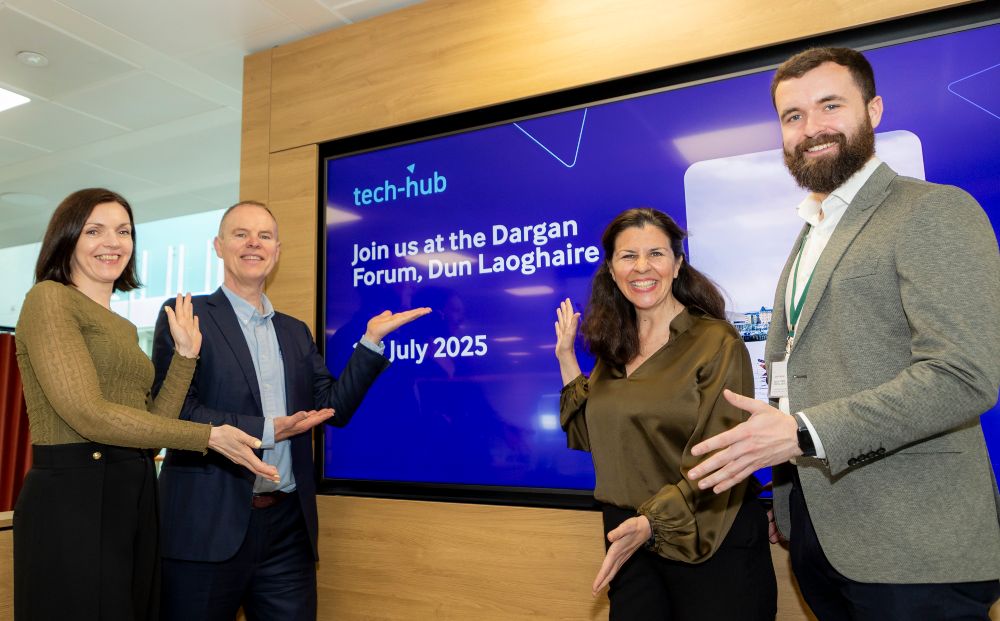
Taking place on 24 and 25 June in Dun Laoghaire, the annual Dargan Forum will bring together national and international experts to tackle Ireland’s most pressing challenges related to climate action, technological change, and economic uncertainty.
Among the speakers at this year’s forum is John O’Shanahan from LeanBPI.
“Too many small businesses start by looking at carbon reporting and regulation when they should be starting with a simpler question: where are we wasting time, money and resources?”
Founded by O’Shanahan in 2014, LeanBPI is a business improvement consultancy dedicated to helping small businesses select, integrate, and adopt the right digital solutions.
With expertise in developing custom solutions as needed, it specialises in the SME and micro-business sectors, partnering with clients to design and implement streamlined digital workflows and processes.
What’s the biggest barrier stopping sustainability strategies delivering real economic results, and how do we fix it?
The biggest barrier is that sustainability is still being treated as a compliance exercise. Too many small businesses start by looking at carbon reporting and regulation when they should be starting with a simpler question: where are we wasting time, money and resources?
In my experience working with Irish SMEs, the most effective sustainability initiatives don’t begin with a green strategy document. They begin with a business owner looking at their operation and asking what is inefficient. For example, businesses can look at initiatives like Digital stock management that cuts waste or route optimisation that reduces fuel costs. The most successful sustainability initiatives aren’t separate from business strategy, they’re improvements that make businesses more efficient, competitive and greener at the same time.
The perception among smaller businesses is that sustainability requires significant investment. It doesn’t have to. Many of the tools that drive both digital and green outcomes are affordable and accessible today. There is good support through Local Enterprise Offices, Enterprise Ireland , Mentorswork and the European Digital Innovation Hubs. The challenge is getting more businesses to see sustainability not as a cost of doing business, but as a way to achieve better margins, less waste and improved decision-making. The green and digital transitions aren’t two separate journeys; they’re the same one.
Are we thinking too defensively about resilience – and what would a more proactive, opportunity-led approach look like for Ireland?
I think we are. We often discuss resilience around risk such as cyberattacks, supply chain disruption or energy shocks. While those threats are real, resilience does not only mean protecting what we have.
The businesses I’ve seen thrive in the last decade of challenges were the most adaptable. They have good business data, could make decisions quickly and were not locked into legacy systems. That’s not about having a crisis plan in a folder, it’s about building a business that can move when it needs to.
For Ireland, a proactive approach means investing in digital infrastructure, workforce skills and regional innovation ecosystems before the next shock arrives. It means asking different questions about technologies like AI not just “what are the risks with AI? “ but “how can this help Irish businesses become more productive and competitive? “
The regions that will prosper are the ones building digital skills, embracing technology and fostering collaboration. Resilience shouldn’t be measured only by our ability to withstand shocks, but by our ability to take advantage of the opportunities that come with change such as those that new technologies present.
When it comes to translating green and digital strategies into economic growth and regional wealth, who risks being left behind in the twin transition, and what needs to happen now to ensure the gains are shared?
Smaller SMEs and rural communities. Large Businesses have sustainability teams, IT departments and investment budgets. Most SMEs don’t. SMEs employ the majority of the Irish workforce and are the backbone of regional economies.
In my work, I find that willingness is rarely the issue. Most business owners want to embrace technology and sustainability. The barrier is capability, time and confidence , knowing where to start when you’re already busy with the day-to-day work in the business. Ireland has built a strong foundation of support through the LEOs, Enterprise Ireland and innovation programmes, but we need to keep improving participation and making these supports easier to access.
For many SMEs, access to finance remains a key barrier to investing in technology and energy efficiency. Banks like Bank of Ireland can add value not just through lending, but through education, advisory services and connecting businesses with trusted support networks.
For me, the real opportunity is helping thousands of small businesses become more productive, more efficient and more capable through the practical use of technology. If we can give SMEs access to the right skills, support, investment and guidance, the green and digital transitions become an opportunity for every region in the country.
We know that larger businesses have the budgets and resources needed, the risk is that small businesses are left behind. We need to make sure the benefits of technology are accessible to businesses of all sizes.
-
Bank of Ireland is welcoming new customers every day – funding investments, working capital and expansions across multiple sectors. To learn more, click here
-
For support in challenging times, click here
-
Listen to the ThinkBusiness Podcast for business insights and inspiration. All episodes are here. You can also listen to the Podcast on:
-
Spotify
-
SoundCloud
-
Apple