
Ireland’s university spin-out ecosystem is going from strength to strength with up to 2,500 people now employed by innovation businesses. We look at 33 of these firms to watch in 2027.
Enterprise Ireland’s latest Annual Knowledge Transfer Survey highlights a strong year for research commercialisation in Ireland, with publicly funded research continuing to deliver significant economic and business benefits.
In 2025, research spin-out companies employed 2,467 people, while patent applications increased by 49%, reflecting growing innovation activity across the country.
“This success is a testament to the dedicated technology transfer teams working across Ireland’s universities and research organisations”
The survey found that total research expenditure reached €953 million, representing an 8.3% increase on the previous year. Collaboration between researchers and industry also intensified, with 2,393 new R&D and consultancy agreements signed with industry and non-commercial organisations. Notably, 63% of these agreements involved Irish small and medium-sized enterprises (SMEs), underlining the importance of research partnerships in strengthening indigenous business competitiveness.
The spin-out ecosystem continued to expand, with 20 new spin-out companies established in 2025. This brought the total number of active spin-outs to 178. Since 2021, a total of 127 spin-out businesses have emerged from publicly funded research programmes, creating employment and bringing innovative technologies to market.
At the end of 2025, Ireland’s research system supported 1,450 active industry R&D projects. The survey also showed growing success in commercialising research discoveries, with 20 licences leading directly to the launch of new products and services.
Enterprise Minister Peter Burke, TD, said the results demonstrate the value of connecting Ireland’s world-class research base with enterprise ambition. “These results demonstrate the value of connecting Ireland’s world-class research base with the ambition and innovation of Irish enterprise,” Burke said.
Enterprise Ireland’s Joe Healy highlighted the role of researchers, higher education institutions and technology transfer teams in transforming research into products, services, companies and high-value jobs. “This success is a testament to the dedicated technology transfer teams working across Ireland’s universities and research organisations,” Healy said.
Inspired by this, we decided to have a look at some of the spin-out businesses that have crossed our radar in recent years. This list is by no means exhaustive and we look forward to featuring more spin-outs in the Irish ecosystem to watch.
AI Mapit
Founded in 2022, AI Mapit utilises AI to provide automated, street-level imagery-based geotagging and digital twin creation for infrastructure. The business is a Trinity College Dublin/ADAPT spin-out.
AI Mapit targets telecoms, utiliites , road agencies and smart city operators, helping to reduce manual surveys, operational costs and site visits while improving infrastructure monitoring.
The business builds precise digital twins of assets like utility poles, traffic signs and lamp posts to streamline remote infrastructure management.
Amethyst Care
A Trinity College Dublin/ADAPT-based health tech start-up, Amethyst Care is developing a voice companion to help older people and patients with mobility-related conditions to live independently for longer.
Its platform supports check-ins, medication reminders, two-way voice interaction, caregiver alerts and wellbeing monitoring.
In 2024 it secured more than €500,000 through Enterprise Ireland’s Commercialisation Fund, with the aim of advancing the team and preparing the technology for commercialisation.
Last year the business was one of 10 business listed in the Instech.ie Foundry programme for the work it was doing in the area of eldercare-focused insurance solutions.
Akara
Akara Robotics combines robotics and AI to automate hospital disinfection, improving hygiene and efficiency.
Built on more than a decade of robotics and AI research into healthcare automation, the Trinity College Dublin/ADAPT spin-out has provided two UV decontamination robots to Firarage Hospital in the UK to help clean its wards and operating theatres more effectively.
The business has also revealed plans to expand into the US healthcare market and featured I the prestigious Forbes 30 Under 30 Europe rankings.
AMPLY Discovery
AMPLY Discovery is a Queen’s University Belfast spin-out using AI to accelerate antimicrobial drug discovery.
Founded by computational biology scientists Dr Ben Thomas, Dermot Tierney and Prof Chris Creevey, AMPLY RAISED $1.75mthis year to accelerate the development of its discovery programmes through the pre-clinical stage.
Its AMPLYfolio platform mines natural genomic diversity, applies machine learning to identify therapeutic candidates, and validates molecules for use in cancer, antimicrobial resistance and other high-impact diseases. The company raised $1.75m in seed funding in 2025 and secured €1.6m in Innovate UK grants for antimicrobial and oncology research.
Assiduous
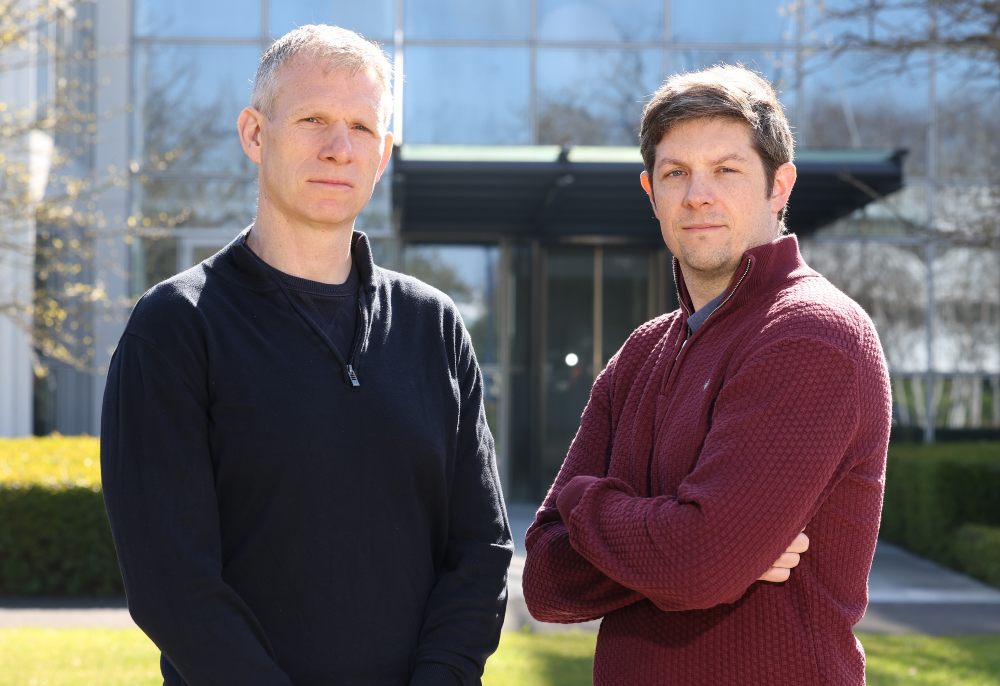
Assiduous was founded by experienced investment bankers Fergal Meegan and Barry Murphy and is headquartered at NovaUCD in Dublin.
Its Corporate Finance Autopilot is a virtual corporate finance service-as-a-software solution, enabled by the latest AI advances, bridges the gap between business owners and capital markets. The platform supports small and medium sized companies preparing for strategic, financing and liquidity transactions with a whole of lifecycle approach.
Earlier this year the business secured €1m in funding.
AquaB Nanobubble Innovations
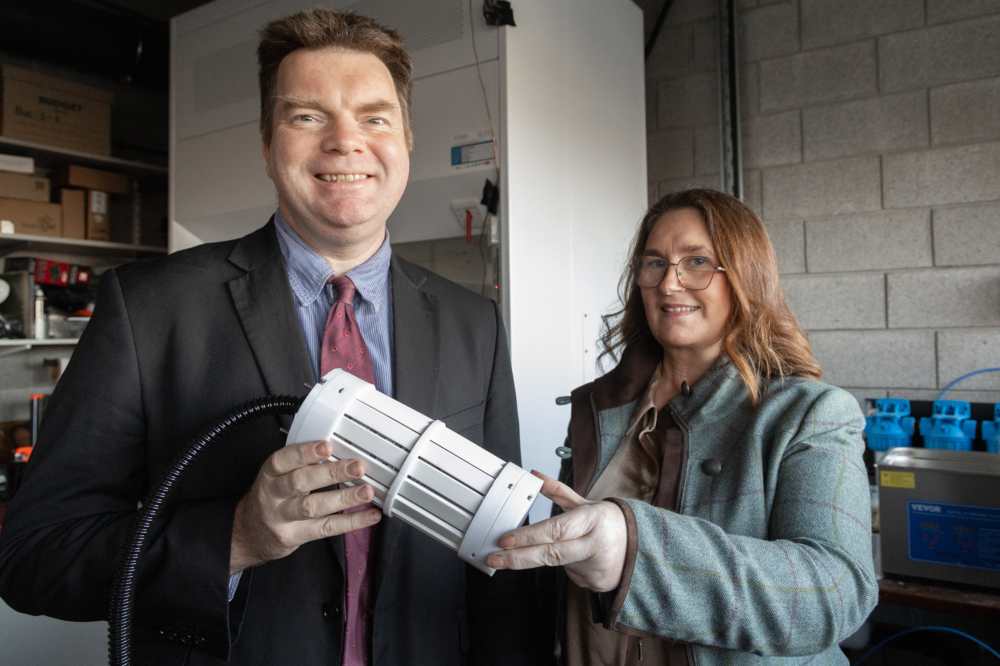
AquaB Nanobubble Innovations Ltd was co-founded by Professor Niall English and Dr. Mohammad Reza Ghaani. They established the company in 2020 as a spin-out from the School of Chemical and Bioprocess Engineering at University College Dublin.
The business recently reached a major milestone with the commissioning of its Vulcan-500 nanobubble generators at Saudi Aramco facilities in Saudi Arabia.
The deployment marks the company’s transition from research to commercial operations and positions it as a cleantech player with global reach.
The generators will be used to support more sustainable oil production methods, leveraging AquaB’s proprietary electrostriction-based technology to improve recovery efficiency and reduce reliance on chemical additives. The system also enhances treatment of produced water and drilling fluids and can assist with algae regulation.
The company completed the European Innovation Council Accelerator programme last year, enabling its technology to progress from proof-of-concept to commercial deployment.
Support from the EIC Business Acceleration Services has helped AquaB bring its nanobubble systems to market and prepare for global scale-up.
AuriGen Medical
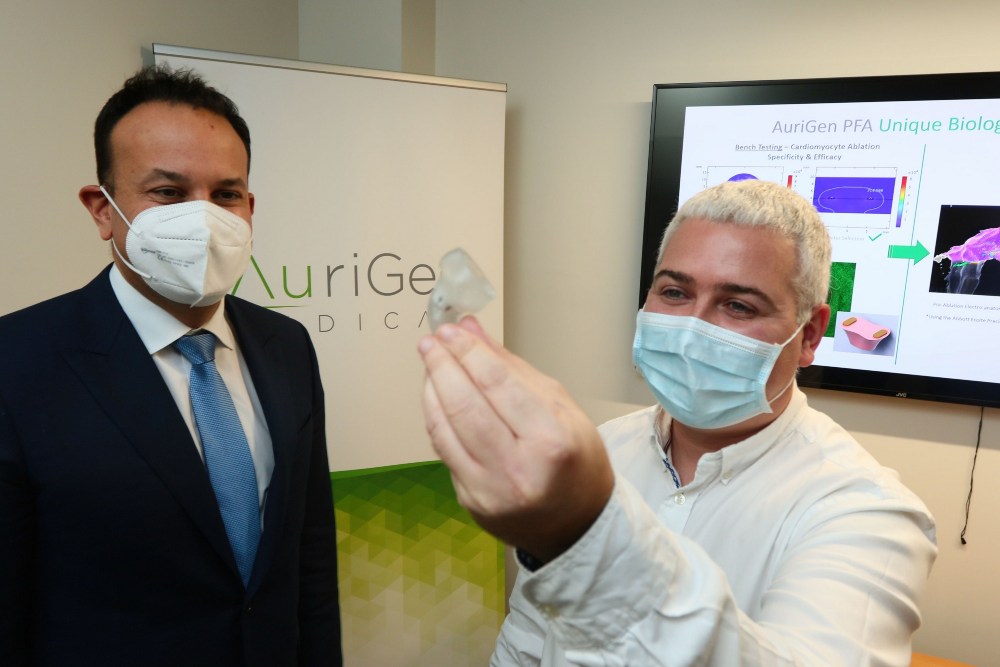
Galway-based AuriGen Medical is tackling atrial fibrillation and heart failure with a first-of-its-kind implant that integrates stroke prevention, arrhythmia management, and heart failure monitoring.
The device includes smart sensors that transmit real-time data to clinicians, enabling proactive care.
In 2022, AuriGen raised nearly €3m through a crowdfunding campaign, adding to €1.75m from institutional investors and bringing total funding to over €15m. The funds are being used to support clinical trials and regulatory approvals.
BeyondBMI
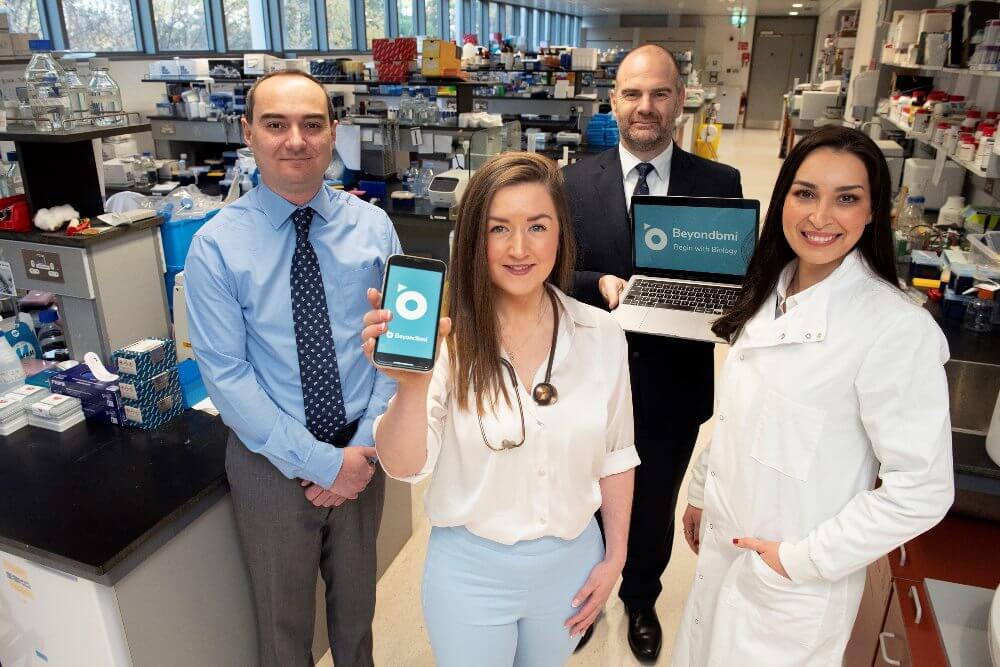
Beyondbmi has developed a 12-month weight management programme, designed by the leading medical weight management experts, to enable clients achieve long-term weight loss and health gain in a sustainable way.
A UCD School of Medicine spin-out Beyondbmi was founded by medical doctor Dr Harriet Treacy and product designer Peter Lumley with support from senior team members including world-leading obesity scientists and clinicians, Professor Carel Le Roux and Dr Werd Al-Najim, UCD School of Medicine and UCD Conway Institute and Professor Alex Miras, Ulster University.
Beyondbmi uses the latest scientific research and therapies to create individually tailored treatment plans which includes detailed assessments, medication, dietary plan, and behavioural health adjustments.
BioSimulytics
BioSimulytics, a UCD spin-out, uses artificial intelligence to optimise drug development by predicting the best crystalline forms of pharmaceutical compounds. This reduces the time and cost of bringing new drugs to market.
The company was also among the four Irish recipients of the EIC Accelerator Programme in 2023, sharing in the €18m funding pool. BioSimulytics’ platform enhances decision-making in preclinical development, helping pharmaceutical companies avoid costly formulation issues later in the pipeline.
Catagen
Belfast-based Catagen sells its patented emissions testing services to global automotive manufacturers and is approved by the UK Vehicle Certification Agency and Europe’s Applus IDIADA.
The Queen’s University spin-out was recently awarded UK funding as part of the Red Diesel Replacement Competition cafor the development of high-pressure hybrid pumping for hydrogen storage and dispensing, and a second award for the development of an e-fuel as a replacement for red diesel.
CergenX
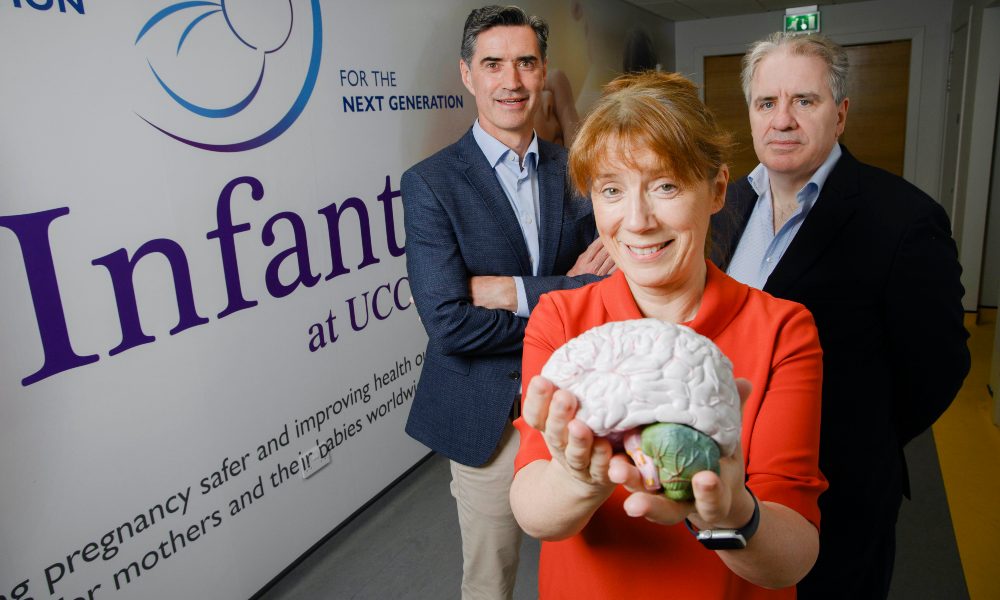
Cork-based CergenX is a spin-out from the INFANT Centre at University College Cork, developing an AI-powered Newborn Brain Screener. The device enables non-specialists to detect brain injury in newborns within 15 minutes, addressing a critical gap in early diagnosis.
Founded in 2021 by Jason Mowles, Prof. Geraldine Boylan, and Sean Griffin, CergenX has raised over €2m, including €1.2m in 2023. The funding supports team expansion and product development, with regulatory approval and pilot launches expected in 2025.
CroíValve
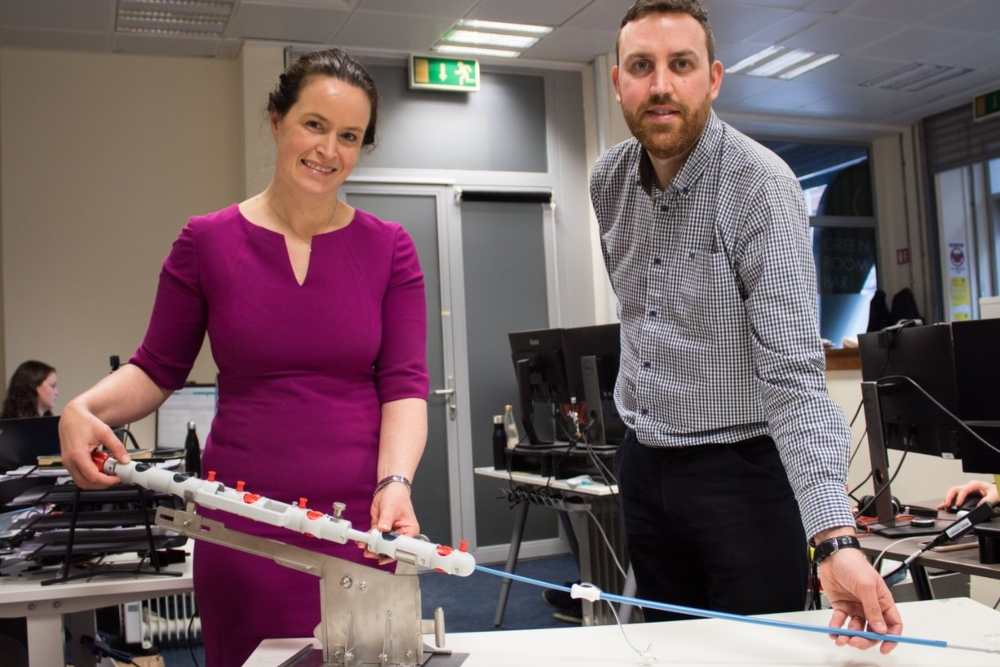
CroíValve, a Trinity College Dublin spin-out, is developing a minimally invasive medical device to treat tricuspid regurgitation, a severe cardiac condition. CroíValve was co‑founded by Dr Martin Quinn and CEO Dr Lucy O’Keeffe, combining cardiology and biomedical engineering expertise to address tricuspid valve regurgitation.
The company’s DUO Tricuspid Coaptation Valve system offers a non-surgical solution for elderly patients, who currently have limited treatment options due to surgical risks.
In June 2026 the company expanded its Series B round to $36 million, or $43 million including grant financing, to fund US and EU clinical studies.
CropBiome
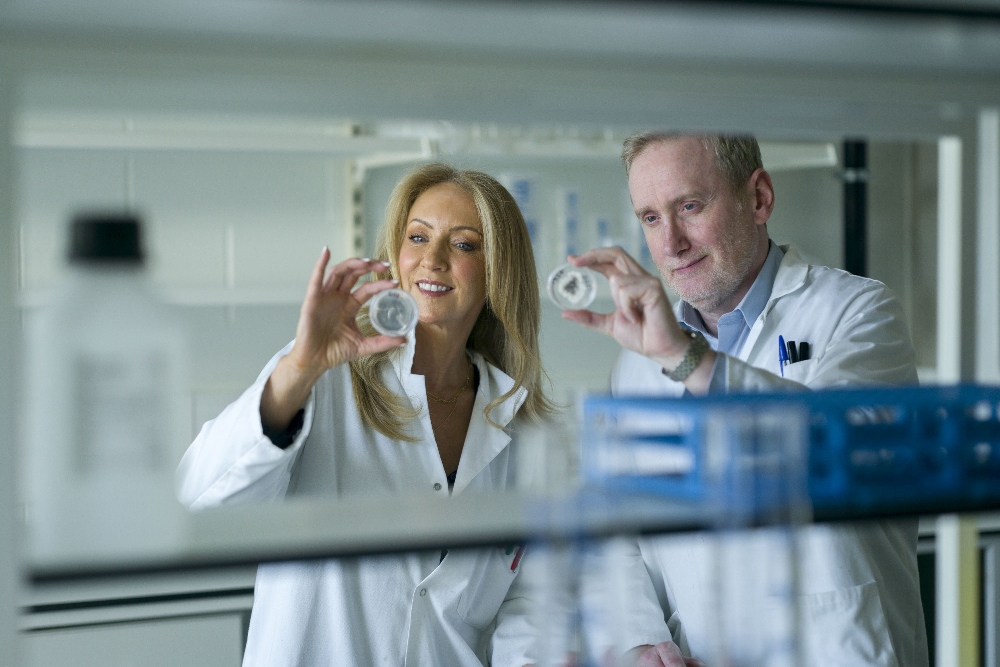
CropBiome is using plant microbes to treat crop seeds, which will produce healthier plants and reduce the amount fertiliser required. CropBiome, a joint spin-out from UCD and TCD, is planning to aggressively tackle Europe’s grain market, which is experiencing supply chain issues as a result of the war in Ukraine.
A combination of field and greenhouse crop trials have shown that the seed dressings can improve crops’ performance in drought conditions and when fertiliser use is reduced.
Field plot trials and product application development will enable CropBiome to go to market in mid-2025, with revenues expected to reach €5M by the end of that year. The business recently raised €1.3m in funding as part of an oversubscribed funding round from Halo Business Angel Network (HBAN) Singapore and HBAN Bloom Equity syndicates.
Dia Beta Labs
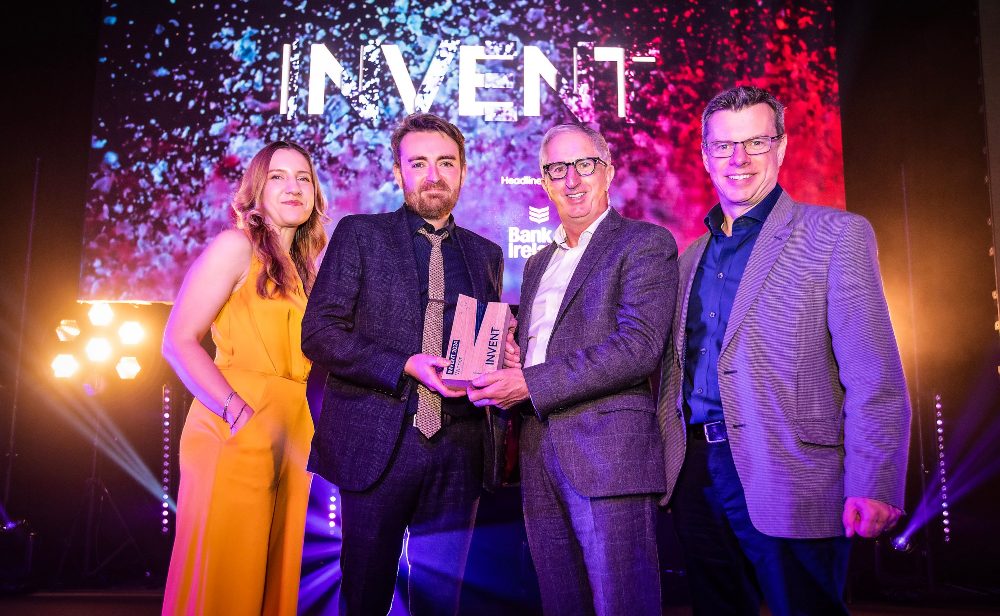
Dia Beta Labs, a biotech spin-out from Ulster University, is developing peptide-based therapies for obesity and type 2 diabetes. Its lead candidate, DBL002, is in late-stage preclinical development.
Dia Beta Labs was co-founded by Dr. Ryan Lafferty (CEO), alongside prominent academic researchers and experts from Ulster University’s Diabetes Research Group.
The company won the 2024 INVENT Awards and secured £1.2 million in seed funding from DSW Ventures, QUBIS, and Innovate UK.
An innovative and future-thinking company, Dia Beta Labs Ltd is developing transformative treatments which take a holistic approach to metabolic disease management. These treatments provide high quality, sustainable weight loss through preferential targeting of fat whilst sparing muscle. Additionally, they rescue insulin-producing cells of the pancreas which are lost over time as the disease progresses.
Equal1
With research and development teams in NovaUCD, Dublin, and Silicon Valley, Equal1 was founded by Dr Dirk Leipold, Mike Asker and Professor R. Bogdan Staszewski. It is a University College Dublin spin-out from the UCD School of Electrical and Electronic Engineering.
The company’s quantum technology is particularly suited to quantum artificial intelligence (AI) and machine learning. Equal1 is addressing a major challenge for the quantum computing industry, to scale the number of qubits so that a quantum computer can tackle useful, real-world problems.
Head Diagnostics
Originally spun out from Trinity College Dublin in 2018, Head Diagnostics, an Irish medtech firm, has recently partnered with electronics giant Philips to globally license its digital cognitive assessment platform. This collaboration aims to revolutionise early detection of Alzheimer’s and dementia.
The platform, based at NovaUCD and led by CEO David van Zuydam, uses digital biomarkers to assess cognitive function, offering a scalable and non-invasive solution for early diagnosis.
HyperPath
HyperPath is a 2026 spin-out from Tyndall National Institute, based at University College Cork, focused on resilient connectivity for vehicles, drones, robotics and other mobile systems. Its AI-powered software fuses multiple unreliable wireless links – including cellular, Wi-Fi and satellite – into one ultra-reliable connection.
Backed through Enterprise Ireland commercialisation supports and Pre-Seed Start Fund investment, HyperPath is moving into a growth phase with automotive, satellite and mobility-market applications.
Hooke Bio
Hooke Bio, a University of Limerick spin-out based in Shannon, Co. Clare, is revolutionising early-stage drug discovery with its ultra-high-throughput microfluidic screening platform. This technology enables faster, more accurate drug screening, significantly improving the efficiency of pharmaceutical R&D.
In 2023, Hooke Bio was one of four Irish companies awarded funding under the European Innovation Council (EIC) Accelerator Programme, receiving part of a combined €18m in blended finance. The funding supports further development and commercialisation of its platform, which has the potential to transform how new drugs are identified and validated.
Keelvar
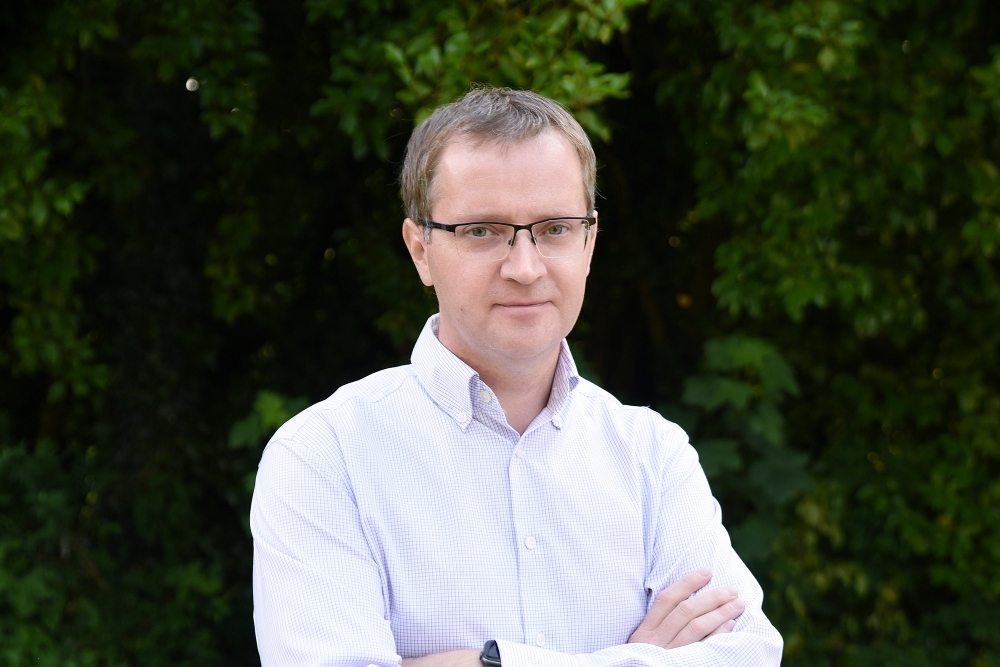
Keelvar is a Cork-headquartered UCC spin-out founded in 2012 by Alan Holland, a former UCC artificial-intelligence lecturer, to commercialise research in optimisation, game theory and algorithmic mechanism design for procurement teams.
Its platform uses AI, data science and autonomous sourcing bots to help enterprises model complex supplier bids, automate sourcing events and make cost, risk and ESG trade-offs. Customers include Coca-Cola, Nestlé, Samsung and Tesco, and Keelvar raised a $24m Series B in 2022, bringing total funding to $43m.
LaNua
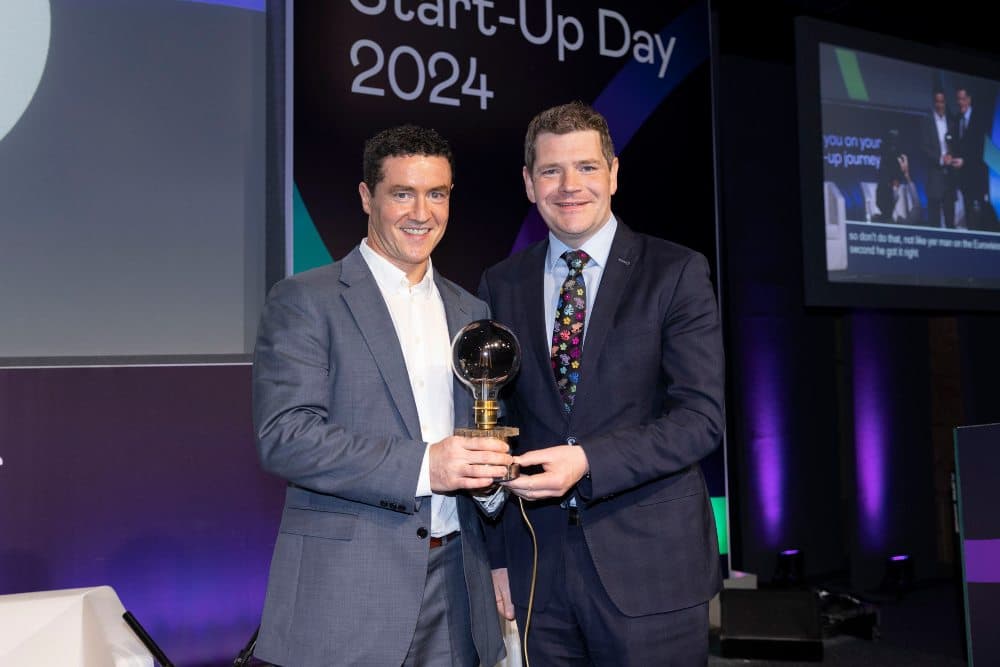
LaNua, a UCD spin-out founded in 2024, is developing a next-generation embolisation device for treating internal bleeding, vascular malformations, and tumours.
The company raised $6.3m in seed funding from Elkstone, Atlantic Bridge, Enterprise Ireland, and Furthr VC. Its Ecore device is designed to improve patient outcomes, reduce hospital stays, and lower healthcare costs.
LaNua is initially targeting liver cancer treatments and plans to enter the US market. The company also won the Big Ideas Award at Enterprise Ireland’s Start-Up Day 2024.
Lia EyeCare
Lia EyeCare, a joint spin-out from UCD and University of Galway, which is headquartered in the Réidh na nDoirí Gaeltacht in Macroom, Co. Cork, was this year named the 2026NovaUCD Spin-out of the Year.
Founded in 2023 by Breda O’Regan and Sinéad Buckley, Lia EyeCare is focused on creating user-centred, science-backed products designed to support eye health by working with the body’s natural processes.
The company’s first product, Nightleaf, is a non-invasive wearable intended to help people experiencing persistent dry and sore eyes by supporting overnight eye recovery.
Luminate Medical
Galway-based Luminate Medical is developing Lily, a wearable device designed to prevent chemotherapy-induced hair loss.
A spin-out from the University of Galway, Luminate recently secured funding through the European Innovation Council (EIC) Accelerator Programme, part of a €18m award shared with three other Irish medtech firms. The device offers a comfortable, portable solution to a distressing side effect of cancer treatment, aiming to improve patient dignity and quality of life during chemotherapy.
Meso
Meso is an education technology spin-out from the Research Ireland ADAPT Centre at Trinity College Dublin. Founded by teacher and CEO Dr Chris Byrne, it uses AI to automate lesson planning, generate aligned assessments and create curriculum-specific study guides.
Enterprise Ireland has backed the company with €500,000 to bring its curriculum-planning platform to Irish and international schools. Meso is piloting in multiple schools and positioning itself around teacher workload, personalised learning and school-level oversight.
Mirror Security

Mirror Security, a cybersecurity start-up spun out of University College Dublin, recently raised $2.5 million in pre-seed funding to accelerate development of its encryption platform designed to protect artificial intelligence systems.
The round was led by Sure Valley Ventures and Atlantic Bridge, with participation from strategic angel investors.
Founded by Pankaj Thapa and Dr Aditya Narayana K, a specialist in AI security, Mirror’s architecture is based on academic research and protected by 23 patents in cryptography and AI security. The company plans to use the funds to expand engineering teams in Ireland, the US and India, accelerate product development in encrypted inferencing and secure fine-tuning, and enter the US enterprise market.
The Dublin-based company is tackling one of the most pressing challenges in enterprise AI adoption: safeguarding proprietary data during model training and inference.
Its core technology, VectaX, uses fully homomorphic encryption (FHE) to allow AI systems to process sensitive information without ever decrypting it.
Mirror also announced a multi-million-dollar strategic agreement with Inception AI, part of Abu Dhabi-based G42, to deploy its security stack across Inception’s enterprise and government platforms. Additional partnerships include Intel, MongoDB, Qdrant, SiSys AI and Accops.
Neuromod Devices
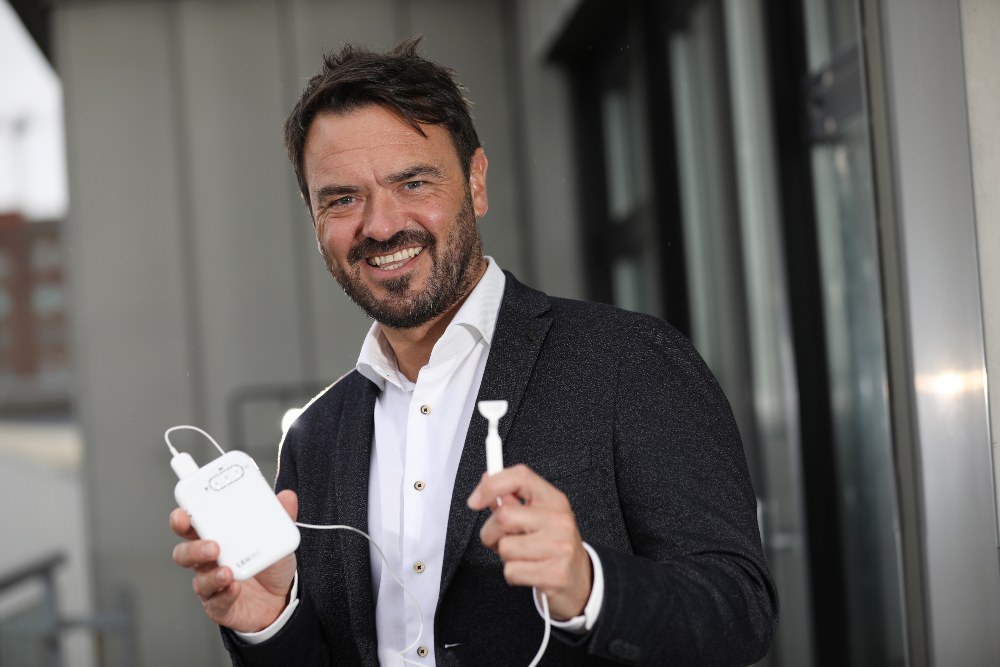
Founded in 2010 by Dr Ross O’Neill as a spin-out from Maynooth University and now headquartered in Dublin, has developed Lenire, a breakthrough neuromodulation device for treating tinnitus.
The device combines sound stimulation with tongue stimulation to reduce the severity of tinnitus symptoms. In 2023, Neuromod raised €30m in a Series B2 round, including €15m in equity led by Panakès Partners and €15m in venture debt from the European Investment Bank. The funding supports US market entry following FDA De Novo approval, expansion across Europe, and next-generation product development.
Nexalus
Nexalus is a Trinity College Dublin engineering spin-out focused on liquid cooling and thermal-energy recovery for high-performance computing, AI, data centres and other heat-intensive systems. Its technology cools electronics while capturing and reusing thermal energy, improving efficiency and sustainability. Founded by Dr Tony Robinson, Kenneth O’Mahony and Dr Cathal Wilson, the company has progressed into global partnerships, including a 2026 collaboration with Canadian defence-infrastructure manufacturer TuffTek, and was recognised in TIME’s 2025 Best Inventions list.
LUMA Vision
LUMA Vision is a medical-imaging company listed by University of Galway among its spin-outs and supported through BioInnovate and Enterprise Ireland commercialisation pathways.
It is developing 3D heart-mapping technology for surgery, described by Enterprise Ireland as providing surgeons with “Google Maps” style data during cardiac procedures.
The company has grown from two people to 56, with offices in Dublin, Munich, the Netherlands and the US, and has won EY Emerging Entrepreneur recognition.
Oscil
Oscil is a University of Limerick deep-tech spin-out approaching company formation, operating at the intersection of Edge AI and powder processing.
Initially targeting pharma and dairy manufacturing, it has developed a proprietary ATEX-compliant sensor and edge-AI system for real-time, in-line powder-flow analysis.
The technology addresses sensor fouling, yield loss and downtime. Oscil won Enterprise Ireland’s Big Ideas Award at Start-Up Day 2025 and is progressing through investor and commercialisation channels.
ProVerum
ProVerum is a Trinity College Dublin spin-out developing the ProVee System, a minimally invasive nitinol implant for benign prostatic hyperplasia.
The device is designed to reshape the enlarged prostate and relieve urinary symptoms without tissue removal, cutting or heat-based procedures.
In September 2025, ProVerum closed an $80m Series B round – described by Trinity as the largest investor funding round by an Irish university spin-out – to support final product development, regulatory advancement and commercial launch.
SymPhysis Medical

Galway-based SymPhysis Medical began as a spin-out from the University of Galway BioInnovate Ireland programme. It is developing a patient-centric device called Releaze to treat malignant pleural effusion, a condition affecting around 50% of late-stage cancer patients.
The device allows patients to manage fluid buildup in the chest at home, reducing hospital visits and improving quality of life. Founded by Tim Jones and Dr. Michelle Tierney, the company has raised over €5.6m to date, including €1.9m in 2022 and €1.5m in 2023. SymPhysis is targeting FDA approval and a US market launch, with ambitions to raise an additional €4.5m to support expansion and regulatory milestones.
TANGO
TANGO is a University of Limerick spin-out project led by Associate Professor Tara Dalton, focused on automating assays that measure T-cell function.
Using novel microfluidics and chemistry, the instrument is designed to help clinicians and researchers routinely assess T-cell activity – relevant to vaccines, immunology research and T-cell therapies. It was runner-up at Enterprise Ireland’s Big Ideas 2025 showcase, where it was presented alongside other investor-ready research-led spin-outs.
Vertigenius
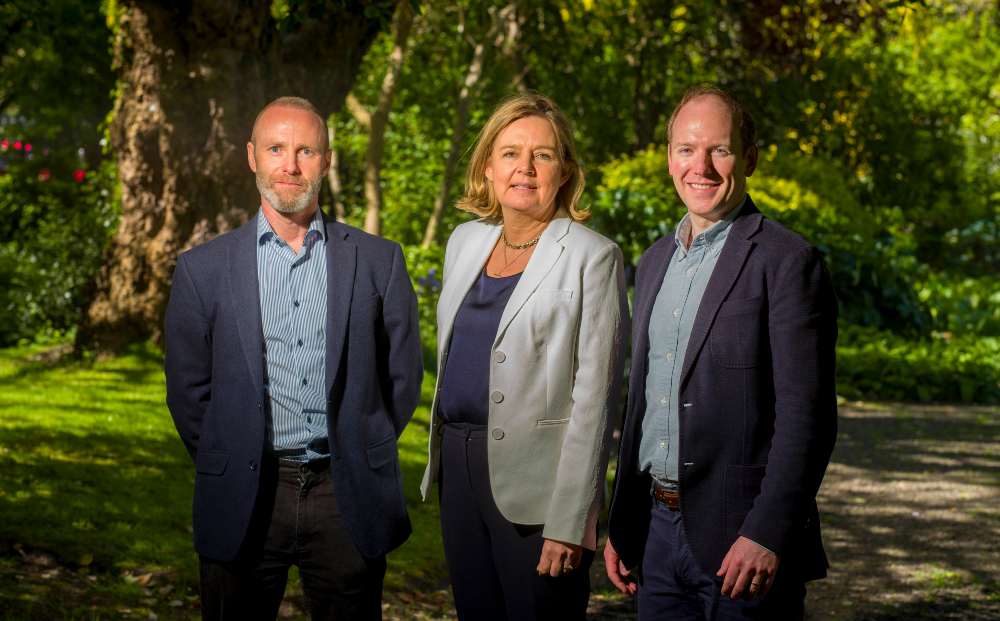
Founded by vestibular expert Dr Dara Meldrum, Vertigenius aims to improve the delivery of care to people suffering from vertigo.
Last year the Trinity College Dublin spin-out raised €2.1m in seed funding to expand its vertigo treatment platform. The company’s wearable head sensor and software enable therapists to prescribe and monitor vestibular rehabilitation exercises remotely.
The funding round, led by Atlantic Bridge with support from Ascentifi and Enterprise Ireland, will support expansion into the US and UK. Vertigenius aims to improve access to care and reduce waiting times for the 390m people affected by vertigo globally.
VLE Therapeutics
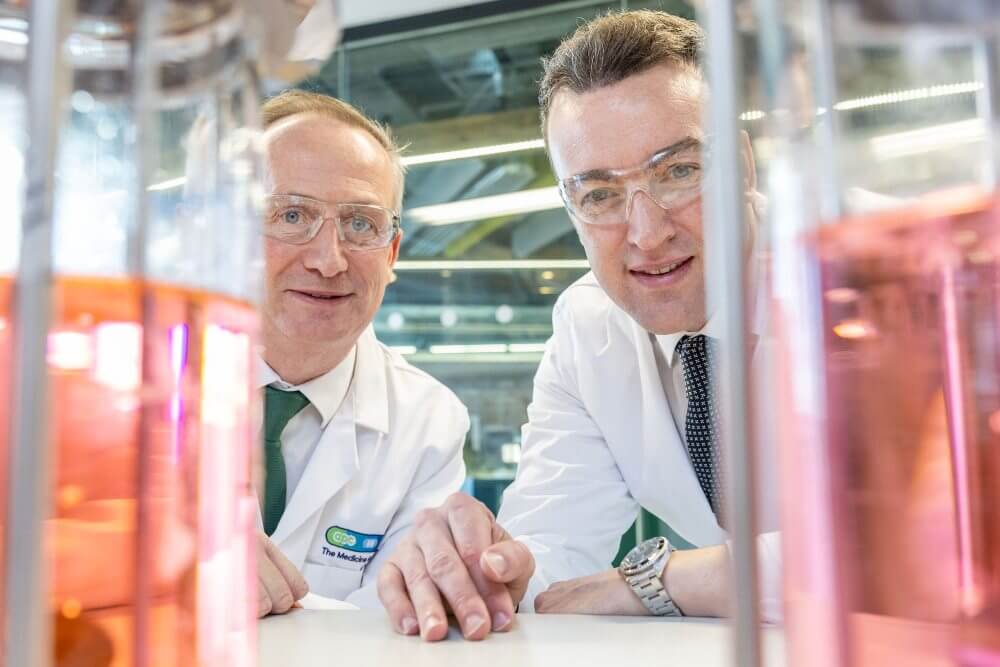
VLE Therapeutics is an advanced therapeutics and vaccines manufacturing business spun out from APC, the UCD-origin pharmaceutical process R&D company founded by Dr Mark Barrett and Professor Brian Glennon. VLE supports GMP manufacture of specialised medicines and forms part of APC/VLE’s “Medicine Accelerator” model.
In 2024, APC and VLE announced a €100m expansion in Cherrywood, creating a 130,000 sq ft campus and 300 R&D jobs across research, AI, manufacturing and digitalisation.
👉 No tech background needed to bring your business into the AI age! Secure your scholarship to complete the certification at no cost. Apply now and get started!
-
Bank of Ireland is welcoming new customers every day – funding investments, working capital and expansions across multiple sectors. To learn more, click here
-
For support in challenging times, click here
-
Listen to the ThinkBusiness Podcast for business insights and inspiration. All episodes are here. You can also listen to the Podcast on:
-
Spotify
-
SoundCloud
-
Apple