
Dublin leads with rapid development while regional cities deliver significant rate growth, according to new data from Savills.
Ireland’s hotel sector closed 2025 with the strongest investment performance ever recorded, as transaction volumes passed €1.7bn on the back of the landmark acquisition of Dalata Hotel Group, according to new figures from Savills Ireland.
The Dalata deal, valued at €1.4bn, reshaped annual expectations for the market. It emerged in July that the hotel group was to be acquired by Scandinavian property investors Pandox and Eindomsspar.
“Demand remains in place, supply is limited in key locations and Ireland retains strong appeal as a destination”
Around €1bn of that total related to Irish hotel assets, placing the transaction in a category of its own and lifting full‑year activity well above early forecasts of €500m to €600m. It was the largest hotel transaction completed in the state and created a surge in dealmaking momentum that carried through to year end.
Trading places
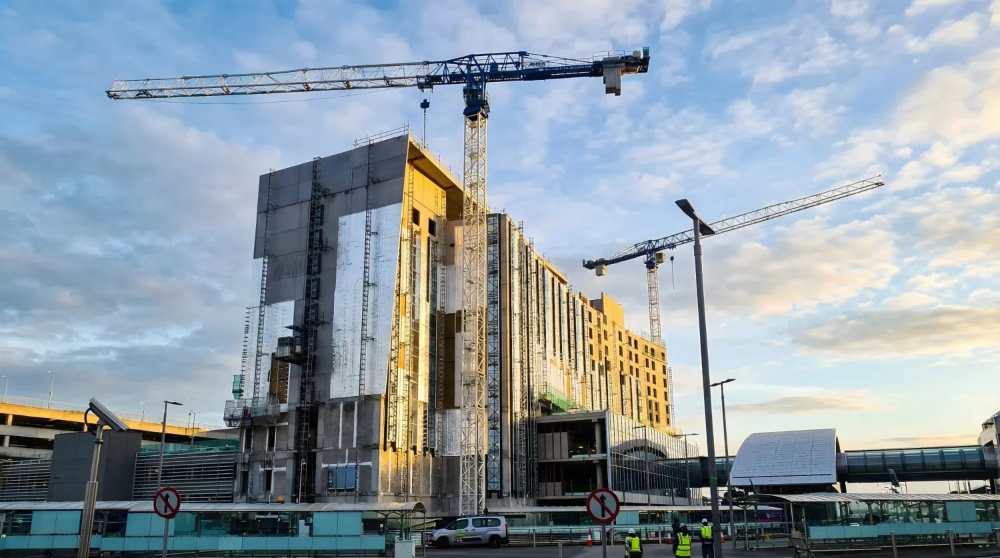
Sofitel Hotel at Dublin Airport under construction.
A total of 66 hotels changed ownership in 2025. The pace of activity more than doubled the volume seen in 2019, as investors returned to the sector in greater numbers while interest rate pressures softened.
Among the most closely watched deals was the €86.5m sale of the Ruby Molly in Dublin, the first hotel investment to trade in the capital since 2022. Its completion was viewed by agents as a sign that liquidity was returning to the market.
Trading conditions remained stable throughout the year. Hotels in Dublin achieved average occupancy of 83% and an average daily rate of €175.
The rate achieved represented a meaningful gain on pre‑pandemic levels and reflected a recovery in visitor numbers after a slow start to the year. Tourism flows strengthened from April onwards, supporting revenue across the key summer and autumn months.
Regional growth
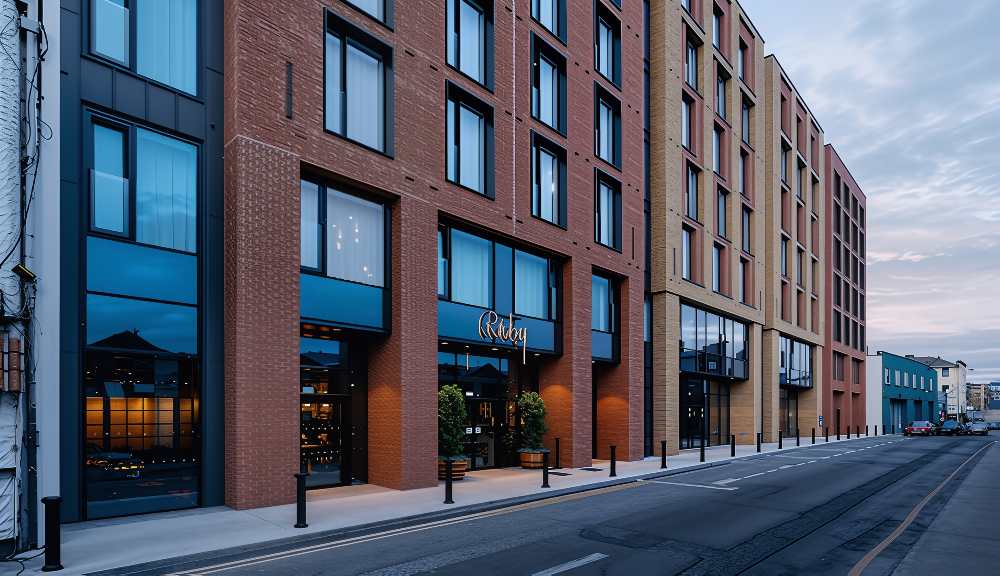
Ruby Molly Hotel in Dublin.
Regional cities experienced pronounced rate inflation during 2025, driven by a tight supply pipeline and solid domestic demand.
Savills reported average daily rate growth of 60% in Limerick between 2019 and 2025, with Galway up 51% and Cork up 38% over the same period. Hoteliers in these areas benefitted from limited new openings, which allowed operators to focus on yield rather than capacity.
Development remained heavily concentrated in Dublin. Close to 1,000 new hotel bedrooms were delivered in the capital last year, and a similar volume is expected in 2026. Additional stock is scheduled for 2027.
Forecasts from Savills indicate that occupancy rates are likely to remain close to 82% even as new supply comes on stream, supported by steady tourism demand and large‑scale international events.
“2025 marked a defining year for the Irish hotel investment market,” said Conor Clarke of Savills Hotels and Leisure.
“The scale of the Dalata transaction, the renewed presence of institutional capital and the consistency in operating performance have reinforced confidence across the sector. Development costs and operating pressures continue to shape decision‑making, but the outlook is positive. Demand remains in place, supply is limited in key locations and Ireland retains strong appeal as a destination.”
Savills expects deal activity to return to more typical levels in 2026, following the distortion created by the Dalata acquisition.
The firm cites stable economic conditions, slower cost inflation and ongoing brand expansion in the main cities as factors likely to sustain investment appetite. The planned reduction in the VAT rate for food‑led hospitality from July 2026 is also projected to lift margins for operators.
-
Bank of Ireland is welcoming new customers every day – funding investments, working capital and expansions across multiple sectors. To learn more, click here
-
For support in challenging times, click here
-
Listen to the ThinkBusiness Podcast for business insights and inspiration. All episodes are here. You can also listen to the Podcast on:
-
Spotify
-
SoundCloud
-
Apple