
New Bank of Ireland study suggests education at home and school shapes long term financial wellbeing.
Ireland’s financial literacy levels remain subdued, with a new nationwide index placing the country at an average score of 54%and revealing persistent gaps in knowledge around everyday money management.
The research, commissioned by Bank of Ireland and conducted by Red C among 1,325 adults, indicates that exposure to practical lessons about money during childhood may be associated with higher levels of confidence and stronger financial behaviour later in life.
“When children hear and see how money is managed day to day, they carry those skills into adulthood”
Only 27% of adults recall learning about money in school or college, yet those who did were more likely to be classified as financially thriving or managing.
Financial education should start early
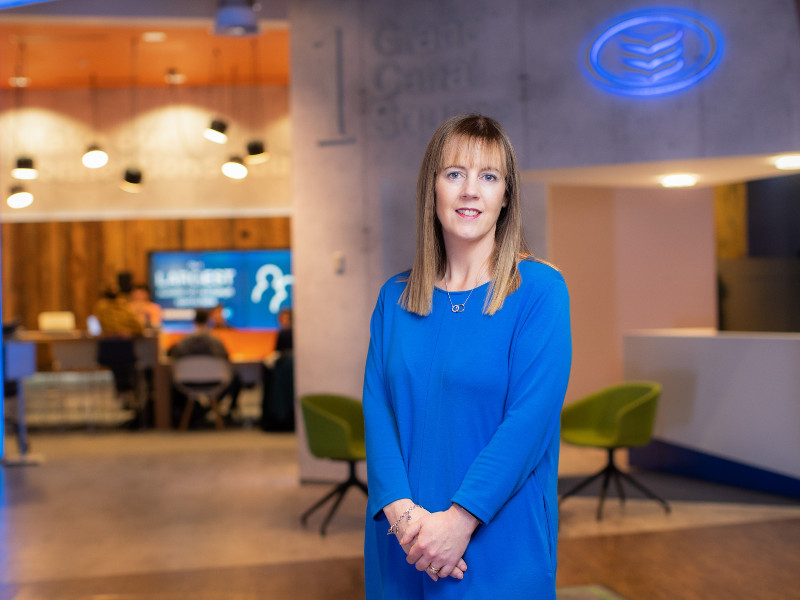
Áine McCleary, chief customer officer, Bank of Ireland
Áine McCleary, chief customer officer at Bank of Ireland, said the findings highlight the role of early experience in shaping financial capability.
“A strong theme in this research is the importance of early, practical conversations about money in homes and schools,” she said. “When children hear and see how money is managed day to day, they carry those skills into adulthood.”
People who were exposed to money discussions at home also reported higher financial wellbeing. Fifty seven percent of respondents in the thriving category said their parents talked to them about money when they were children, compared with 29% of those described as struggling.
The results also point to gradual improvements among younger cohorts. A third of those aged 18 to 34 reported being taught about money during their education, compared with just over a fifth of those aged above 55. Similar patterns emerged in the home, with younger adults more likely to recall conversations about financial management with parents.
Despite this, the survey recorded some familiar disparities. Men achieved an average literacy score of 58% compared with 50%for women.
McCleary said this gap remained a concern. “It is disappointing to see a gender gap in financial literacy persisting even among younger age groups. Addressing this gap will help build financial confidence and contribute to life choices and outcomes.”
Performance varied sharply by topic. Respondents scored highest on basic numerical tests and identifying the price of items. Knowledge of savings and tax reliefs was weak, with only 38% of savings questions answered correctly. Understanding of pensions was stronger, despite pensions often being regarded as a more complex area.
“We were struck by the topic results,” McCleary said. “Savings scored lower than pensions, which runs counter to what many might expect. This suggests a challenge in building everyday saving habits and making the basics feel clear and doable.”
Bank of Ireland has positioned its programmes as part of the solution. Its Smart Start current account and linked Money Pot savings account aim to support early saving habits among children aged seven and above.
The Bank also delivers primary and secondary school initiatives, including Smart Start with Ollie and the Money Smarts programme, which covers areas such as saving, spending, credit, debt and financial decision making. An annual all Ireland quiz, the Money Smarts Challenge, forms part of the secondary schools offering.
The Financial Literacy Score Index is based on 24 equally weighted questions across nine topic areas: numeracy, prices, tax reliefs, savings, investments and risk, credit cards and personal loans, mortgages, pensions and insurance.
The findings are intended to support the work of Ireland’s National Financial Literacy Strategy, which seeks to build financial skills from an early age.
Resources available for parents and teachers
- Secondary school teachers can find information on how to register for the Money Smarts Programme here and register for the Money Smarts Challenge
- Primary school teachers can register for the Smart Start with OIlie programme here.
- Parents and guardians can access the Talking Cents with Kids pack for under 12s here.
Top image: Photo by Jakub Żerdzicki on Unsplash
-
Bank of Ireland is welcoming new customers every day – funding investments, working capital and expansions across multiple sectors. To learn more, click here
-
For support in challenging times, click here
-
Listen to the ThinkBusiness Podcast for business insights and inspiration. All episodes are here. You can also listen to the Podcast on:
-
Spotify
-
SoundCloud
-
Apple