Dublin’s European Creative Industries Summit calls for investment, fair pay and AI protections for a sector supporting 7.9m jobs across the EU.
Europe risks weakening its competitiveness if its creative industries are overlooked as decisions are made on the EU’s next long-term budget, organisers of the European Creative Industries Summit (ECIS) warned this week.
The summit, taking place in Dublin during Ireland’s Presidency of the Council of the European Union, brings policymakers and creative industry leaders together as negotiations continue on the EU’s 2028–2034 budget and artificial intelligence changes how creative work is produced and valued.
“To strengthen European competitiveness, Europe cannot afford to overlook the creative competences and capabilities that help its businesses innovate and its communities thrive”
Creative industries support 7.9 million jobs across the EU. In Ireland, CreativeFED analysis of Eurostat data records 96,800 people in cultural employment in 2025, with one in three self-employed.
Hosted by Design & Crafts Council Ireland (DCCI) and convened by CreativeFED, the summit, Fáilte Future for Europe, forms part of DCCI Irish Design Week.
The event is focused on investment in creative businesses, the skills needed for the sector to adapt, creators’ rights and fair compensation, as well as the value of human creativity as technology advances.
KEY NUMBERS: Creative industries
• 7.9 million creative industry jobs across the EU
• 96,800 people in Irish cultural employment in 2025
• One in three Irish cultural workers self-employed
• 2028–2034 EU budget negotiations shaping future investment
• Four priorities: investment, trustworthy AI, fair pay, emerging talent
• Creators’ rights and fair compensation central to Dublin discussions
• Skills investment identified as critical to creative businesses
• Dublin Declaration planned to set out summit priorities
Editorial takeaway: EU funding, skills and AI decisions will have significant implications for Ireland’s creative workforce and businesses.
Creative sector warns Europe against funding squeeze
Proposed reductions to research, innovation and education funding are also among the concerns being raised as Europe sets its future competitiveness priorities.
Gerin Trautenberger, Chair of CreativeFED, said: “To strengthen European competitiveness, Europe cannot afford to overlook the creative competences and capabilities that help its businesses innovate and its communities thrive.
👉 No tech background needed to bring your business into the AI age! Secure your Google AI Professional Certificate to complete the certification at no cost. Apply now and get started!
“Decisions being made now will shape investment for years. Dublin is an opportunity to make a clear case for creative skills, businesses and infrastructure before those priorities are settled.”
Almost 100,000 people in Irish cultural employment
The scale of cultural employment in Ireland gives the European debate particular significance for the domestic sector.
The CreativeFED analysis puts Irish cultural employment at 96,800 people in 2025. The proportion who are self-employed highlights the role of independent practitioners within the country’s creative workforce.
Tom Watts, Head of Design at DCCI, said: “Behind Ireland’s reputation for creativity are people building businesses, developing skills and bringing ideas to international markets. Their future depends on the conditions we create for them. Hosting this summit during Ireland’s EU Presidency gives us an opportunity to bring their experience directly into the European conversation.”
AI, investment and fair pay on agenda
The summit programme includes creative investment, trustworthy AI, fair pay and emerging talent.
It will also examine the role of design in improving public services and supporting the green transition.
Discussions in Dublin are expected to feed into a planned Dublin Declaration setting out priorities emerging from the summit.
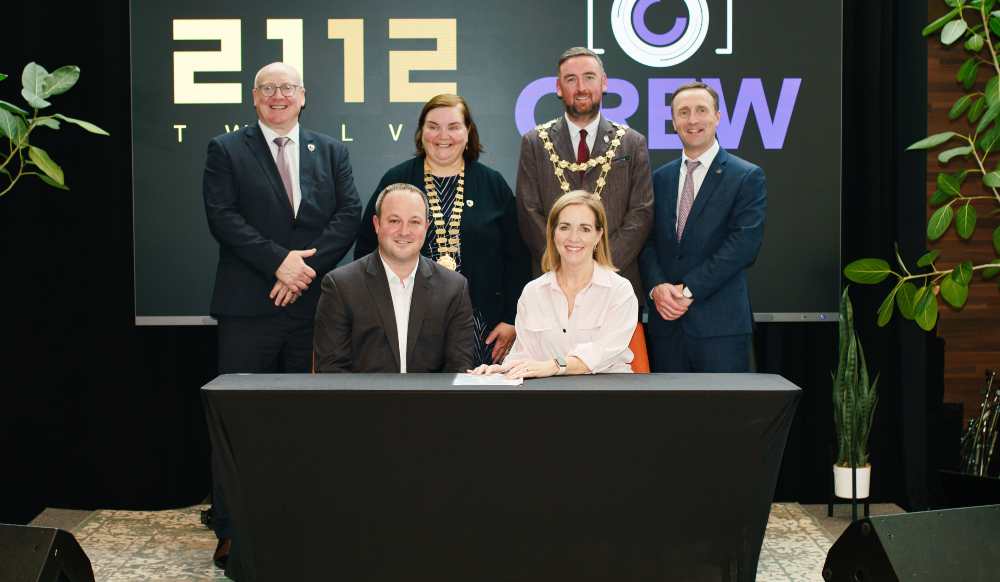
Image at top: Paul Hekkert, Dutch Research Council; Sarah Daly, Creative Spark; Mareille Zuber, Centre of Expertise Creative Innovation; Claire Teurlings, CLICKNL; Susannah Montgomery (EIT Culture and Creativity); Rasa Bocyte (Netherlands Institute for Sound and Vision) at Europe Day of the European Creative Industries Summit at the Royal Irish Academy of Music, Dublin
FAQs: European Creative Industries Summit
What is the European Creative Industries Summit in Dublin about?
The summit brings policymakers and creative industry leaders together to discuss investment, skills, trustworthy AI, fair pay, emerging talent and creators’ rights.
How many people work in Europe’s creative industries?
Creative industries employ 7.9 million people across the EU, according to the information provided by the summit organisers.
How many people work in cultural employment in Ireland?
CreativeFED analysis of Eurostat data records 96,800 people in cultural employment in Ireland in 2025, with one in three self-employed.
Why is the Dublin summit taking place now?
The summit is being held as negotiations continue on the EU’s 2028–2034 budget and AI changes how creative work is produced and valued.
What will come out of the European Creative Industries Summit?
Discussions are expected to feed into a planned Dublin Declaration, setting out priorities emerging from the summit.### FAQs: European Creative Industries Summit
What is the European Creative Industries Summit in Dublin about?
The summit brings policymakers and creative industry leaders together to discuss investment, skills, trustworthy AI, fair pay, emerging talent and creators’ rights.
How many people work in Europe’s creative industries?
Creative industries employ 7.9 million people across the EU, according to the information provided by the summit organisers.
How many people work in cultural employment in Ireland?
CreativeFED analysis of Eurostat data records 96,800 people in cultural employment in Ireland in 2025, with one in three self-employed.
Why is the Dublin summit taking place now?
The summit is being held as negotiations continue on the EU’s 2028–2034 budget and AI changes how creative work is produced and valued.
What will come out of the European Creative Industries Summit?
Discussions are expected to feed into a planned Dublin Declaration, setting out priorities emerging from the summit.
👉 No tech background needed to bring your business into the AI age! Secure your Google AI Professional Certificate to complete the certification at no cost. Apply now and get started!
-
Bank of Ireland is welcoming new customers every day – funding investments, working capital and expansions across multiple sectors. To learn more, click here
-
For support in challenging times, click here
-
Listen to the ThinkBusiness Podcast for business insights and inspiration. All episodes are here. You can also listen to the Podcast on:
-
Spotify
-
SoundCloud
-
Apple