Podcast Ep 324: Until now the food industry’s emissions reporting has been built on estimates and averages, far removed from the realities of farm life. Cork-based Climeaction is on a mission to change this, says Charis Aherne.
On a working farm, climate change does not present itself as an abstract reporting obligation. It appears instead in soil condition, grass growth and fertiliser choices.
However, with food makers now measuring Scope 3 emissions – including those originating at farm level – there is a disconnect. Supply chains are typically four to six tiers deep, making it nearly impossible to collect reliable data from thousands of farmers with different practices, soil types and systems.
“In reality, no one cares more about the land than farmers – it’s their livelihood and part of who they are”
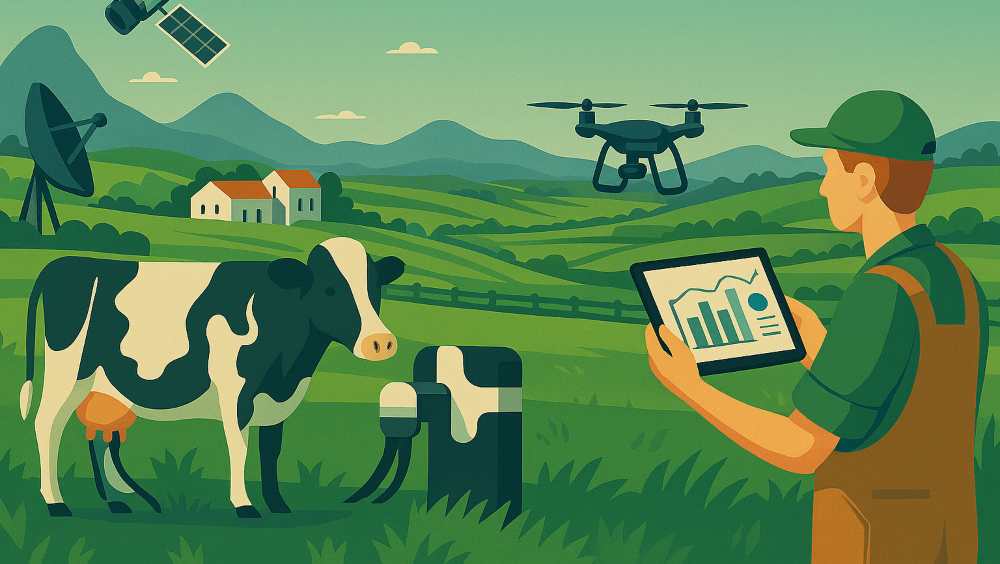
Cork business Climeaction is on a mission to change this. It’s VSAg tech platform is a farmer-friendly data collection platform. Farmers use guided video prompts on a smartphone or tablet to log key practices such as fertiliser use, crop rotation, soil management, with no technical jargon and minimal disruption to daily work. The result – structured verifiable data specific to each supply chain and a meaningful step away from industry averages.
Climeaction is a multi-award-winning climate action solutions provider that works with business clients to review and focus on their ESG performance.
It recently emerged that the Irish climate action solutions provider is expanding its operations to the United States, establishing a permanent base in Boston with a team of 10 people.
This expansion reflects the company’s significant growth and will enable Climeaction to continue to support key multinational clients in the US manufacturing industry including Analog Devices, Abbott, Garrett Motion, and Aryzta.
From field to fork with perfect provenance
-
Listen to the ThinkBusiness Podcast for business insights and inspiration. All episodes are here. You can also listen to the Podcast on:
-
Spotify
-
SoundCloud
-
Apple
“Climeaction was founded in 2021 to help manufacturers decarbonise across their full supply chains,” Aherne explains. “We started in Cork and now also operate in Boston in the US. The team includes engineers, consultants, and software developers.
“Initially, our focus was dairy and agri‑food decarbonisation at manufacturing level, but that’s expanded into food, beverages, consumer products, life sciences, and even semiconductors. Through that work, we kept encountering the same issue: a gap in reliable, farm‑level data within supply chains. That’s what led to the development of VSAg—the solution I work on.
“Farm‑level emissions sit within Scope 3, which is generally recognised as the hardest part of a company’s carbon footprint to measure and manage. These emissions happen right at the start of the supply chain, across thousands of farms globally, each with different practices, soil types, climates, and systems.
“Supply chains themselves are long and complex, often with multiple tiers of suppliers and intermediaries. Tracking emissions all the way back to the farm is extremely time‑consuming. As a result, many manufacturers rely on estimates, generic models, or survey data. While those approaches give a broad picture, they can mask inefficiencies and overlook real opportunities for improvement at farm level.”
Aherne believes farmers receive unfair press about their environmental impact. “Farmers are often portrayed as major emitters, and many feel unfairly burdened by that narrative. In reality, no one cares more about the land than farmers – it’s their livelihood and part of who they are.
She said VSAg is designed to let farmers tell their own story and see their work in a wider context. “The process is simple and intuitive. Using a smartphone or tablet, farmers follow short, guided video prompts that walk them through key practices – fertiliser use, crop rotation, soil management, and other day‑to‑day activities that influence sustainability outcomes.
“There’s no heavy technical jargon. The prompts are brief, easy to complete, and don’t disrupt daily farm work. The data collected is then analysed and turned into structured metrics. Farmers can understand what’s happening on their farm, receive tailored recommendations, and see opportunities not just for sustainability improvements, but also for yield improvements or cost reductions.”
With new regulations coming, VSAg helps farmers to help agri-food manufacturers by collecting structured, verifiable data.
Beyond compliance, such data can also have commercial value. “Brands want to credibly demonstrate carbon reductions, regenerative practices, and other sustainability initiatives. That builds trust with customers and consumers.
“It also supports smarter sourcing, product innovation, and operational efficiency. We’re seeing that customers are increasingly willing to pay a premium for low‑carbon or regenerative products – but only if the sustainability credentials are verifiable.”
Aherne said that clear, accurate data lifts all boats. “ith accurate data, companies can segment their supply – for example, creating a lower‑carbon milk ‘supply shed’ from a specific group of farmers – and attribute an accurate footprint to that product. That premium can flow back to the farmers, supporting further improvements and reductions.”
She concludes that Ireland is playing a strong role in climate and agri-tech and young, innovative businesses like Climeaction have a role to play.
“Ireland has a deep agricultural heritage and strong expertise in the sector. On top of that, there’s a growing technology ecosystem, strong talent, and excellent access to international markets.
“Ireland has been ahead of the curve for a long time through initiatives like Bord Bia’s dairy and beef assurance schemes, which provided structured sustainability data early on. VSAg builds on that foundation, using modern digital tools, real‑time analytics, and future AI capabilities.
“The platform is designed to be global and scalable. It can be adapted to different products, companies, and geographies, supporting everything from very small farms to very large operations, anywhere in the world.”
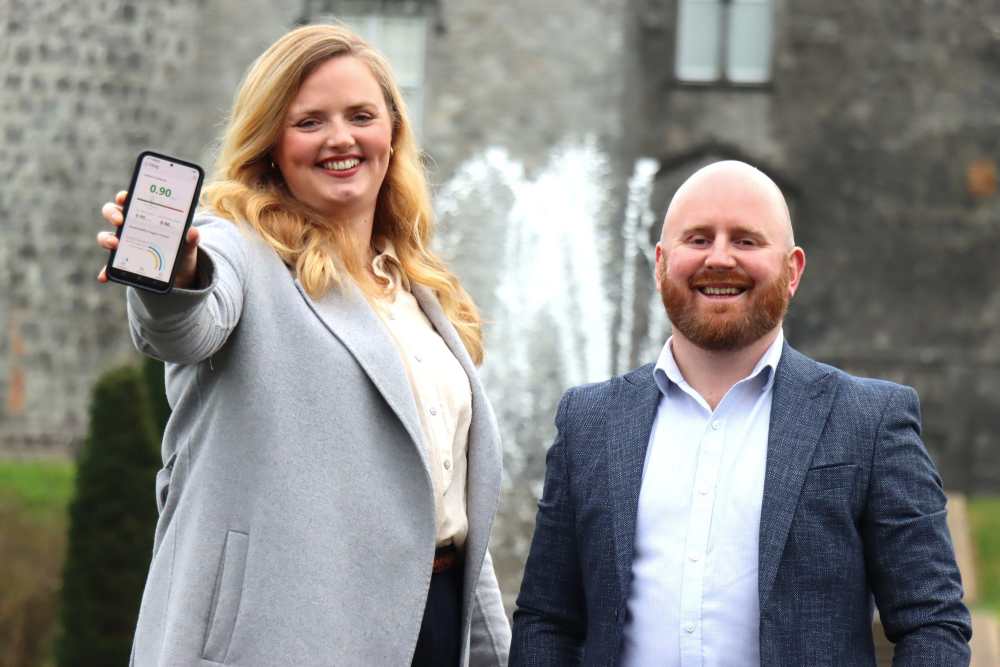
Top image: Charis Aherne with Climeaction founder Paul Murphy
-
Bank of Ireland is welcoming new customers every day – funding investments, working capital and expansions across multiple sectors. To learn more, click here
-
For support in challenging times, click here
-
Listen to the ThinkBusiness Podcast for business insights and inspiration. All episodes are here. You can also listen to the Podcast on:
-
Spotify
-
SoundCloud
-
Apple