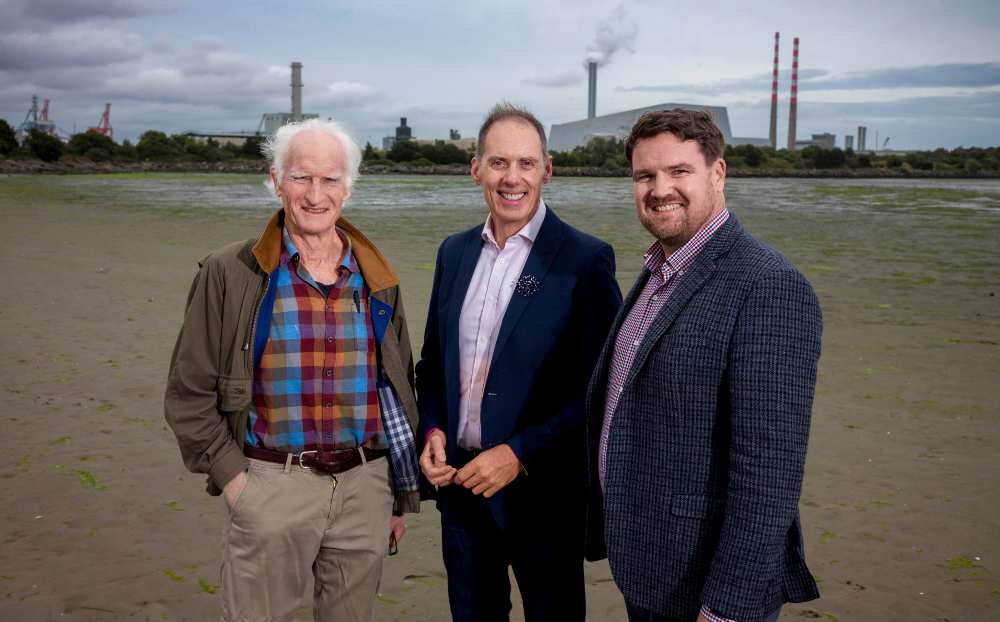

PwC’s Mairead Harbron says Budget 2027 should support Irish private businesses through tax reform, investment incentives, entrepreneurship, innovation and SME competitiveness.
Ireland’s economy is in a position of considerable strength. Strong tax receipts, budget surpluses and growing national reserves provide Government with an opportunity to make strategic choices that support sustainable growth.
For Ireland’s private businesses, this Budget presents a chance to address long-standing barriers to expansion, investment and competitiveness.
“The success of Ireland’s economy in the years ahead will depend not only on attracting global investment, but also on empowering Irish businesses to grow, innovate and compete on the international stage”
Ireland’s economic success has been significantly bolstered by foreign direct investment. Yet, to ensure long-term resilience, we need a new strategic approach to both nurture and retain Irish-owned multinationals, while also developing a strong indigenous sector that has ownership and decision-making rooted in Ireland.
While Ireland excels at fostering startups – thanks to a robust university sector, entrepreneurial spirit, and State support – the challenge now is scaling these companies into global players. The long-term growth and resilience of Ireland’s indigenous business sector is critical, providing a vital pathway for innovation, entrepreneurship and wealth creation.
Budget 2027 should therefore prioritise measures that enable Ireland’s indigenous businesses to invest, grow and remain competitive in an increasingly challenging global environment.
KEY NUMBERS: Budget 2027 and Irish Private Business
• Entrepreneur Relief limit: €1.5m to €5m proposed
• Target 20% CGT rate for qualifying business investments
• PRSI rebate of up to 50% for employees earning €26,000
• R&D outsourcing cap: 15% to 30% proposal
• 100% first-year capital allowances for AI investments
• 100% first-year capital allowances for technology investments
• Refundable incentives for digitalisation and decarbonisation spending
• Simplified, pre-populated corporation tax returns for smaller companies
Editorial takeaway: PwC is urging Government to use Budget 2027 to make Ireland’s indigenous businesses easier to scale, invest, innovate and retain talent through targeted tax and investment reforms.
Tax simplification
One of the most immediate areas where Government can support smaller businesses is through tax simplification. Many small and medium enterprises (SMEs) face significant administrative burdens that divert resources away from innovation and growth.
Simplified, pre-populated corporation tax returns for smaller companies, accompanied by clearer legislation and Revenue guidance, would reduce compliance costs and improve certainty.
In an economic environment where management time is increasingly valuable, reducing bureaucracy can be as important as reducing tax rates.
Incentivising entrepreneurs
Investment is another critical challenge. Ireland has accumulated substantial fiscal reserves, yet private investment also needs encouragement. Measures that help individuals save and invest for the long term could unlock additional capital for productive enterprise.
Introducing a broad-based savings and investment account is very welcome and combined with reforms to the taxation of investment products, would support a stronger investment culture and help channel private capital towards Irish businesses and future growth opportunities.
Budget 2027 should also strengthen incentives for entrepreneurship. Founders who build and scale businesses over many years are central to Ireland’s economic success, yet the tax system does not always reward long-term business development.
Increasing the lifetime limit under Entrepreneur Relief from €1.5 million to €5 million would send a strong signal that Ireland values ambition and enterprise. Similarly, a targeted 20% Capital Gains Tax rate for qualifying investments in active trading businesses would encourage productive investment and support succession planning in privately owned firms.
Employee ownership
Employee ownership could also play an important role in strengthening Irish enterprise. Many family-owned and founder-led businesses face succession challenges, and employee ownership trusts offer an opportunity to preserve value and ownership within Ireland.
Making these structures more practical and accessible would provide an alternative pathway for business continuity while rewarding employee commitment.
Attracting and retaining talent remains one of the biggest challenges for growing firms. Rising wage pressures, housing costs and competition for skilled workers continue to impact businesses of all sizes.
A temporary PRSI rebate of up to 50% for employees earning up to €26,000 would help ease employment costs while supporting workforce stability. In addition, increasing the annual limit for approved profit-sharing schemes, which has remained unchanged for decades, would allow businesses to offer more meaningful incentives aligned with modern workplace expectations.
Simplifying the small benefit exemption would further reduce administration while helping employers recognise and reward staff. Ensuring that work pays better should also be addressed via changes to the personal tax regime, particularly by extending the standard rate income tax band. Although an expensive tax expenditure, this will have knock-on benefits for all sectors, attracting and retaining talent.
Innovation policy
Innovation policy also needs to evolve. Traditional research and development incentives are important, but many businesses require support to adopt and commercialise existing technologies rather than invent entirely new ones.
A refundable incentive linked to expenditure on digitalisation, decarbonisation and technology deployment would address this “missing middle” and help smaller firms improve productivity and competitiveness.
Likewise, 100% first-year capital allowances on qualifying artificial intelligence and technology investments would encourage businesses to modernise operations, develop new services and create new revenue streams. In addition, R&D outsourcing rules should better reflect how businesses actually collaborate – for example, by allowing connected-party outsourcing (with appropriate safeguards) and increasing the third-party cap from 15% to 30%.
Housing infrastructure
Beyond taxation and innovation, the broader business environment must improve. Housing shortages, infrastructure constraints and high energy costs are affecting companies’ ability to recruit, retain employees and expand operations.
Private enterprise cannot scale without sufficient housing and reliable infrastructure.
Measures that accelerate housing delivery, encourage the refurbishment of vacant and derelict properties, and support modern methods of construction would benefit businesses as much as households.
Energy security
Energy security has also become a major competitiveness issue. Recent global instability has once again highlighted Ireland’s exposure to imported energy costs.
SMEs are particularly vulnerable to energy price volatility, which can significantly impact margins and investment decisions.
Accelerated capital allowances for energy-efficient equipment, incentives for clean technologies and support for renewable energy projects would help businesses manage costs while contributing to Ireland’s climate objectives.
An environment to scale
Ultimately, Budget 2027 should be a delivery-focused budget. Ireland’s fiscal strength creates an opportunity to tackle the structural challenges that constrain businesses every day.
By simplifying taxation, supporting entrepreneurship, encouraging investment, addressing housing and energy constraints, and helping firms adopt new technologies, Government can create the conditions for a stronger and more resilient private business sector.
The success of Ireland’s economy in the years ahead will depend not only on attracting global investment, but also on empowering Irish businesses to grow, innovate and compete on the international stage.
Top image: Mairead Harbron, Tax Partner, PwC Ireland
Frequently Asked Questions: Budget 2027 and Irish Private Business
What is the main message of PwC’s Budget 2027 submission?
PwC argues that Budget 2027 should focus on helping Irish-owned businesses scale, invest, innovate and compete internationally, using Ireland’s strong fiscal position to address barriers to growth.
Why are indigenous Irish businesses important to the economy?
Irish-owned businesses create jobs, drive innovation, generate tax revenues and help ensure economic resilience by keeping ownership, decision-making and investment rooted in Ireland.
What changes does PwC want for Entrepreneur Relief?
PwC is calling for the lifetime limit under Entrepreneur Relief to increase from €1.5 million to €5 million to better reward founders who build and grow businesses over many years.
How could Budget 2027 encourage more investment?
PwC proposes a broad-based savings and investment account, reforms to the taxation of investment products and a 20% Capital Gains Tax rate for qualifying investments in active trading businesses.
What tax simplification measures are being suggested for SMEs?
Recommendations include simplified, pre-populated corporation tax returns, clearer tax legislation and improved Revenue guidance to reduce compliance costs and administrative burdens.
How does PwC propose supporting employee ownership?
PwC wants employee ownership trusts to be made more practical and accessible, giving family-owned and founder-led businesses another option for succession planning and long-term continuity.
What measures are proposed to help businesses attract and retain workers?
Suggestions include a temporary PRSI rebate of up to 50% for lower-paid employees, increasing approved profit-sharing limits and expanding the standard rate income tax band.
How could Budget 2027 support AI adoption and digital transformation?
PwC recommends 100% first-year capital allowances for qualifying AI and technology investments, alongside refundable incentives for digitalisation, decarbonisation and technology deployment.
What changes are proposed for research and development incentives?
PwC is seeking more flexible R&D outsourcing rules, including increasing the third-party outsourcing cap from 15% to 30% and permitting connected-party outsourcing with safeguards.
Why are housing and energy policy important for business growth?
Housing shortages make it harder to recruit and retain staff, while energy costs affect competitiveness and investment decisions. PwC argues that both issues should be central to Budget 2027.
What would success look like from Budget 2027?
According to PwC, a successful Budget would create the conditions for stronger indigenous businesses through lower administrative burdens, improved access to capital, greater innovation incentives and better infrastructure.
👉 No tech background needed to bring your business into the AI age! Secure your Google AI Professional Certificate to complete the certification at no cost. Apply now and get started!
-
Bank of Ireland is welcoming new customers every day – funding investments, working capital and expansions across multiple sectors. To learn more, click here
-
For support in challenging times, click here
-
Listen to the ThinkBusiness Podcast for business insights and inspiration. All episodes are here. You can also listen to the Podcast on:
-
Spotify
-
SoundCloud
-
Apple