Irish shoppers expect to spend €325 this Black Friday, as 87% show interest in the sales and 94% check whether discounts offer genuine savings.
Irish consumers are preparing to spend more this Black Friday, with 87% expressing an interest in the sales weekend and average planned spending rising 15% to €325, according to PwC Ireland’s 2026 Black Friday survey.
Interest in Black Friday and Cyber Monday has increased from 81% last year. Some 44% of consumers intend to make a purchase, with another 43% prepared to buy if the deal is good enough.
“For retailers, the opportunity is to make it easier for customers to find genuine value, whether online or in-store, while building the trust that will keep them coming back beyond Black Friday”
Nearly a third, 30%, expect to spend more than they did last year, compared with 27% in the previous survey. The expected average spend of €325 is up from €283 and above the 2026 European average of €310.
Among those planning to spend more, 36% are hoping for special offers in online shops, 33% are targeting specific items, 30% have saved money for the weekend and 22% have more Christmas presents to buy this year.
Black Friday is also increasingly tied to Christmas shopping. Some 84% expect to buy at least a quarter of their Christmas gifts during the sales period, compared with 77% among European respondents.
Shoppers scrutinise discounts
Price and value are central to how Irish consumers approach the sales. Some 94% check whether Black Friday discounts are genuine.
Comparing prices across retailers is the most common approach, cited by 46% of consumers. Another 36% check product price histories, while 30% use price comparison websites.
Consumers consider an average discount of 37% to represent a good Black Friday deal across product categories, compared with 41% across Europe.
Among people who are not interested in shopping over Black Friday, 29% say they do not have the finances to participate. The same proportion say they do not trust that the discounts represent genuine savings.
👉 No tech background needed to bring your business into the AI age! Secure your Google AI Professional Certificate to complete the certification at no cost. Apply now and get started!
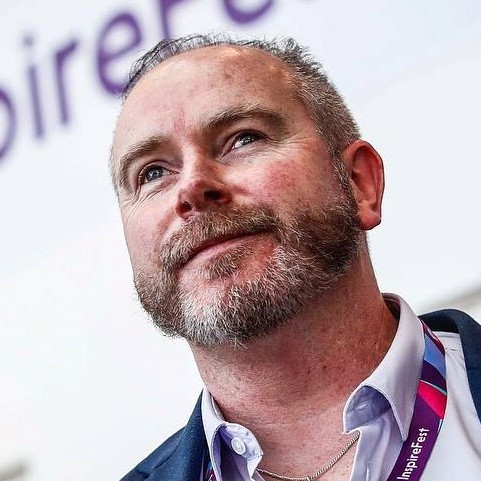
“Black Friday has clearly become a major fixture in the Irish shopping calendar, with many consumers planning to spend more. But shoppers are not taking discounts at face value,” said Ruth McNamee, partner, Retail & Consumer practice, PwC Ireland.
“With 94% checking whether deals are genuine, retailers need to demonstrate real value and give customers confidence that the savings being promoted are meaningful. At a time when household budgets remain under pressure, trust and transparency will be every bit as important as the size of the discount.”
Impulse purchases have also increased. More than half of consumers, 55%, said they made an unplanned purchase during last year’s Black Friday weekend, up from 37% the previous year.
Electronics and technology are expected to attract the highest spending, followed by clothing, shoes and accessories, health and beauty products, toys and children’s clothing.
Returns remain a significant part of the shopping period. Some 56% of Irish consumers returned items following their Black Friday or Cyber Monday shopping last year, compared with 58% across Europe.
The Details: Black Friday 2026
- 94% check whether Black Friday discounts are genuine
- €325 average planned spend, up 15% year-on-year
- 55% made an unplanned Black Friday purchase last year
- 84% expect to buy at least a quarter of Christmas gifts
- 65% expect to shop online
- 56% returned Black Friday or Cyber Monday purchases last year
- 33% expect to use instalment or buy-now-pay-later options
- 25% use AI to compare prices
Editorial takeaway: Bigger budgets and rising impulse buying sit alongside intense scrutiny of value, with shoppers embracing digital tools and flexible payments.
AI enters the shopping journey
AI is beginning to play a role in how some consumers shop, particularly among younger age groups.
On average, 25% of Irish consumers use AI to compare prices across retailers or brands. This rises to 29% among 25 to 34-year-olds.
Some 22% use AI to check whether discounts are genuine, while 20% use it to find products that match their needs and 18% use it to compare product specifications.
Almost one in four consumers, 23%, would allow an AI shopping assistant to complete a purchase on their behalf. The equivalent European figure is 21%.
Consumers identified safeguards around payments and personal data, pre-approval of the final price and product, and restricting purchases to trusted retailers as important conditions for using AI shopping assistants.
Online shopping maintains its lead
Almost two-thirds of Irish consumers, 65%, expect to make their Black Friday purchases online, including click-and-collect and home delivery. Some 35% plan to shop in physical stores.
Nearly a third, 32%, are likely to purchase directly through a social media platform.
Payment plans are also becoming more widely used. One-third of shoppers expect to use buy-now-pay-later services or retailer instalment plans, up from 29% last year and below the European average of 41%.
Some 32% of Irish consumers plan to shop less frequently with international low-cost online retailers. Concerns include quality and authenticity, alongside a preference for buying directly from brands or shopping in physical stores.
Younger shoppers explore second-hand options
Second-hand and vintage platforms are gaining traction among Irish consumers, with 15% using them on average. That reaches 19% among 18 to 24-year-olds.
Some 17% compare Black Friday prices with second-hand or vintage alternatives, rising to 24% among consumers aged 18 to 24.
A further 12% plan to use resale sites instead of buying new, while 12% sell items through the platforms to fund Black Friday purchases. Both figures climb to 16% among 18 to 24-year-olds.
McNamee said: “What stands out from this year’s research is how Irish consumers are becoming increasingly savvy and selective in the way they shop. They are comparing prices, targeting their spend, looking at second-hand alternatives and increasingly thinking about how they pay, while AI has yet to become a significant part of the shopping journey.
“For retailers, the opportunity is to make it easier for customers to find genuine value, whether online or in-store, while building the trust that will keep them coming back beyond Black Friday.”
The 2026 Black Friday sales weekend runs from Friday, 27 November to Monday, 30 November.
Black Friday Ireland 2026: Frequently Asked Questions
How much do Irish consumers expect to spend on Black Friday in 2026?
Irish consumers expect to spend an average of €325 over the Black Friday sales weekend, up 15% from €283 last year. The 2026 European average is €310.
How many Irish consumers are interested in Black Friday and Cyber Monday?
Some 87% of Irish consumers are interested in Black Friday and Cyber Monday in 2026, up from 81% last year. Some 44% intend to make a purchase, while 43% will buy if the deal is good enough.
Do Irish shoppers trust Black Friday discounts?
Shoppers are actively checking the offers available. Some 94% check whether Black Friday discounts are genuine, including 46% who compare prices across retailers and 36% who check product price histories.
How are Irish consumers using AI for Black Friday shopping?
Some 25% use AI to compare prices, 22% use it to check whether discounts are genuine, 20% use it to find suitable products and 18% use it to compare product specifications. AI shopping tools are more popular among younger consumers.
Are Irish consumers shopping online or in stores for Black Friday?
Some 65% expect to make their Black Friday purchases online, including click-and-collect and home delivery, while 35% plan to shop in-store.
👉 No tech background needed to bring your business into the AI age! Secure your Google AI Professional Certificate to complete the certification at no cost. Apply now and get started!
-
Bank of Ireland is welcoming new customers every day – funding investments, working capital and expansions across multiple sectors. To learn more, click here
-
For support in challenging times, click here
-
Listen to the ThinkBusiness Podcast for business insights and inspiration. All episodes are here. You can also listen to the Podcast on:
-
Spotify
-
SoundCloud
-
Apple