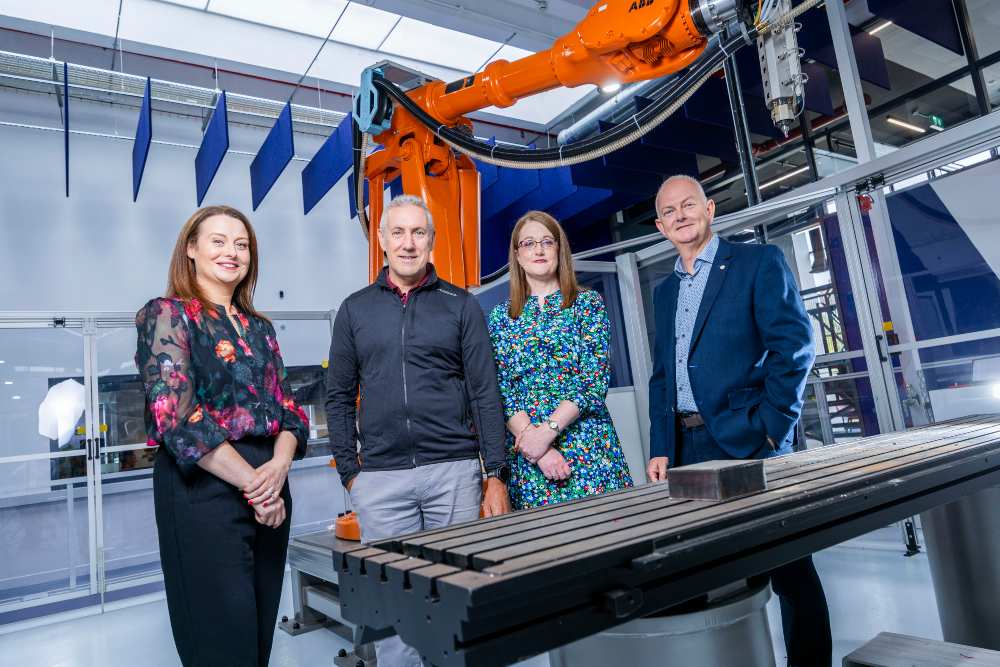
Are Ireland’s workers ready for the rise of their AI twin or to have AI colleagues? Growing expectations of AI integration as workers look to improved work-life balance and greater efficiency.
One in five employees in Ireland expect to be working alongside AI colleagues within the next three years, according to new research commissioned by Irish IT and cybersecurity services provider Landmark Technologies.
The study, conducted by Censuswide among 1,000 employees across the Republic of Ireland, highlights how workers increasingly see artificial intelligence evolving from a productivity tool into a more active participant in day-to-day business operations.
“AI is rapidly moving from being a productivity tool to becoming a digital colleague that supports employees in their day-to-day work”
The research found that 20% of office workers believe AI co-workers capable of handling tasks independently will become part of the workplace by 2029.
Employees also anticipate AI taking on a greater role in decision-making, with 29% expecting AI assistants to regularly make judgement-based decisions on their behalf, including prioritising emails and declining meetings.
Your new AI colleague won’t steal your lunch, but might decline your meetings
Attitudes towards the emergence of AI colleagues remain mixed. A quarter of respondents (25%) said they would feel nervous about working alongside autonomous AI systems because of concerns that their own roles could become redundant.
At the same time, 38% said they would be excited by the prospect, believing AI co-workers would help them work more efficiently and improve productivity.
The survey suggests workers expect the pace of technological change to accelerate in other areas of the workplace. More than one in 10 respondents (12%) believe remote employees will be able to appear in offices as holograms within the next three years.
Employees also see tangible personal benefits from greater AI adoption. The most commonly cited advantage was improved work-life balance, identified by 29% of respondents. More time for creative and strategic thinking was highlighted by 27%, while the same proportion said AI could enable more flexible working hours around family commitments.
The rise of the digital co-worker
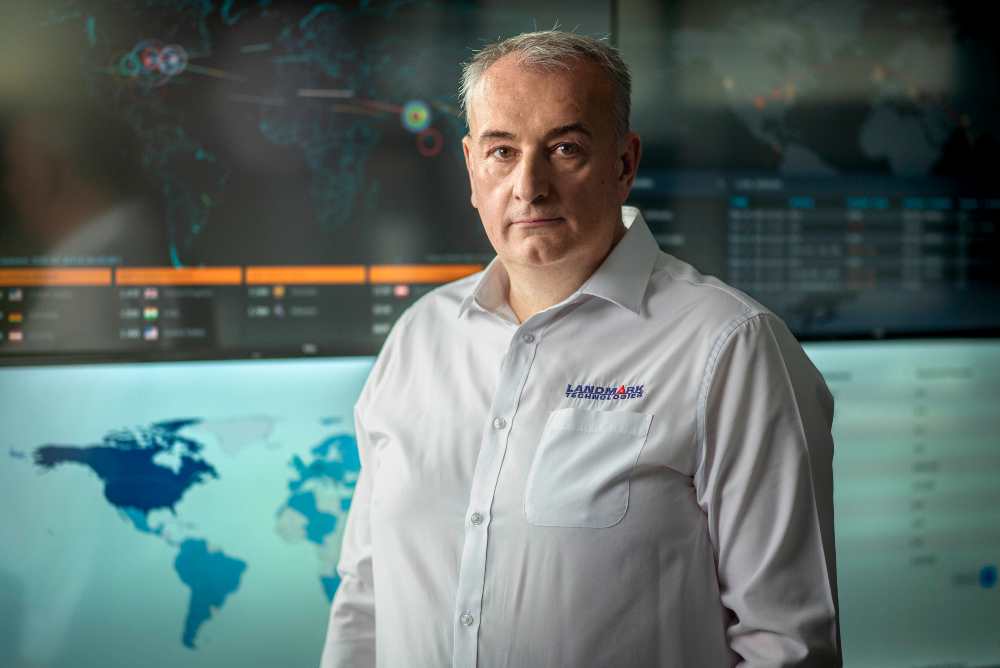
Ken Kelleher, managing director, Landmark Technologies
“AI is rapidly moving from being a productivity tool to becoming a digital colleague that supports employees in their day-to-day work,” said Ken Kelleher, managing director of Landmark Technologies.
“The next few years will increasingly see organisations adopt AI assistants that can automate routine tasks and help employees make better decisions. However, businesses must ensure that these technologies are introduced responsibly, with governance and compliance in mind.
“As AI becomes more embedded in the workplace, businesses have an important role to play in helping employees understand how it can make their jobs easier,” Kelleher continued.
“By providing the right training, organisations can reduce uncertainty and help employees see AI as a valuable colleague, enabling them to focus on their work instead of worrying about being replaced.”
👉 No tech background needed to bring your business into the AI age! Secure your Google AI Professional Certificate to complete the certification at no cost. Apply now and get started!
-
Bank of Ireland is welcoming new customers every day – funding investments, working capital and expansions across multiple sectors. To learn more, click here
-
For support in challenging times, click here
-
Listen to the ThinkBusiness Podcast for business insights and inspiration. All episodes are here. You can also listen to the Podcast on:
-
Spotify
-
SoundCloud
-
Apple