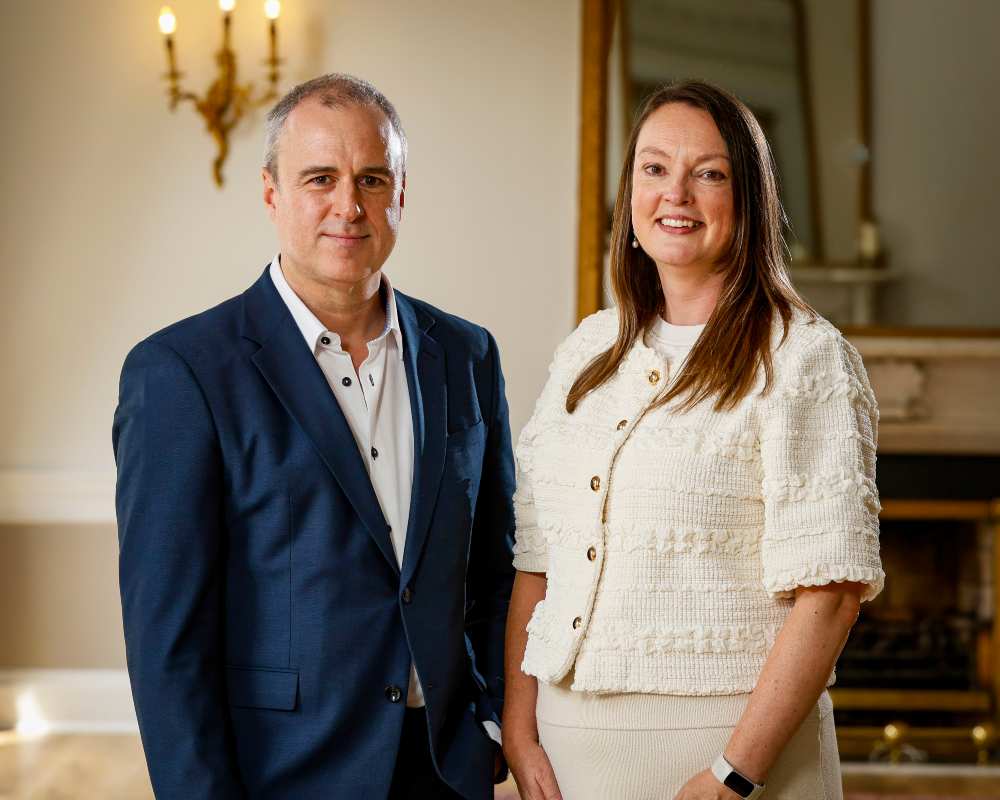

Irish SMEs face major changes in 2026, says Xeinadin’s Paul O’Connell, from VAT and customs reforms to retirement legislation and pay transparency requirements.
From VAT and customs changes to new employment rules and pay transparency requirements, Irish SMEs have plenty to consider in the second half of 2026. With Budget 2027 also looming, now is a good time for business owners to make sure their house is in order.
For SMEs, staying compliant increasingly means keeping pace with change across several different parts of the business at once.
“They provide a timely reason for SME owners to look across their businesses and make sure their tax, employment and compliance processes are in order”
The developments that have taken effect this summer are a good example. A reduced VAT rate brings welcome relief for parts of the hospitality sector but also creates challenges.
Changes to customs rules could alter the cost of sourcing goods from outside the EU. New retirement legislation requires employers to review how they approach contractual retirement ages, while pay transparency requirements coming into effect sooner rather than later will put greater scrutiny on how businesses make and explain decisions around remuneration.
Individually, each change requires attention. Taken together, and with Budget 2027 now coming into view, they provide a timely reason for SME owners to look across their businesses and make sure their tax, employment and compliance processes are in order.
Here are four areas SMEs should have on their radar:
Hospitality VAT: welcome relief, but get the details right
The reduction in the VAT rate applying to catering and restaurant supplies, hot takeaway food, tea and coffee, and hairdressing services from 13.5% to 9% took effect on 1 July 2026.
For eligible businesses, the reduction is welcomed but applying it may not always be straightforward. For restaurants or hairdressers, where services are typically provided and paid for at the same time, the transition should be relatively simple. Businesses taking deposits or advance bookings need to pay closer attention.
Hotels, wedding venues and event operators are good examples of this. A wedding booked prior to 1 July 2026 for an event taking place after 1 July 2026 may be subject to different VAT rates across various stages of billing. Hospitality packages can also bring further complexity, as room rental and accommodation services may be subject to a 23% VAT rate.
Businesses should therefore make sure their systems are applying the basics correctly and that finance, sales and management teams actually understand the changes.
Low-value imports are becoming more expensive
Since 1 July, the longstanding €150 customs duty relief threshold for low-value imports has been abolished.
Previously, goods worth €150 or less entering Ireland from outside the EU could generally be imported without customs duty, although VAT could still apply. Now, a €3 customs duty charge applies to each distinct item contained in parcels purchased online from non-EU countries, including the UK.
For SMEs who regularly import multiple low-value products, those charges can start to add up. Retailers, e-commerce businesses and other regular importers should consider what the change means for their overall costs and whether sourcing some products from within the EU may now be more commercially attractive.
Businesses should also be on high alert for fraudulent customs payment notifications and verify requests directly with their delivery provider.
Retirement rules require employers to be prepared
The Employment (Contractual Retirement Ages) Act 2025 came into effect on 29 June 2026, creating an important new employment right in Ireland.
Certain employees with a contractual retirement age of 65 or younger can now notify their employer that they do not consent to retiring at that age and wish to continue working until the State Pension Age, currently 66.
Employers cannot simply dismiss these requests. They must respond in writing within one month and, where they decide to enforce the contractual retirement age, explain their reasoning and demonstrate that it is objectively and reasonably justified by a legitimate aim.
For SMEs, this is a good reason to review employment contracts and HR policies now, rather than waiting until a request arrives.
Don’t wait for pay transparency
The deadline for Ireland to transpose the EU Pay Transparency Directive passed on 7 June 2026. While, as anticipated, Ireland did not meet that deadline, the Government has confirmed that implementation will take place on a phased basis.
Employers will need to prepare for requirements including providing salary information to job applicants, prohibiting questions about salary history, ensuring recruitment processes are gender neutral and removing pay secrecy restrictions. Employee information rights will also expand, while gender pay gap reporting obligations will increase.
The delay in implementation should be viewed as preparation time rather than a reason to wait. SMEs should consider whether decisions around pay, grading, promotion and rewards are based on clear, objective and gender-neutral criteria – and whether they could demonstrate that if called-upon.
Getting your house in order
These four developments impact different areas of your business, but there is a common thread: SMEs need to be prepared for change.
With Budget 2027 around the corner, now is the time for business owners to look at their operations more broadly and ensure their tax systems, employment practices and internal processes are up to date and compliant.
The businesses that prepare early will be better placed to respond to change rather than having to react to it.
👉 No tech background needed to bring your business into the AI age! Secure your Google AI Professional Certificate to complete the certification at no cost. Apply now and get started!
-
Bank of Ireland is welcoming new customers every day – funding investments, working capital and expansions across multiple sectors. To learn more, click here
-
For support in challenging times, click here
-
Listen to the ThinkBusiness Podcast for business insights and inspiration. All episodes are here. You can also listen to the Podcast on:
-
Spotify
-
SoundCloud
-
Apple