
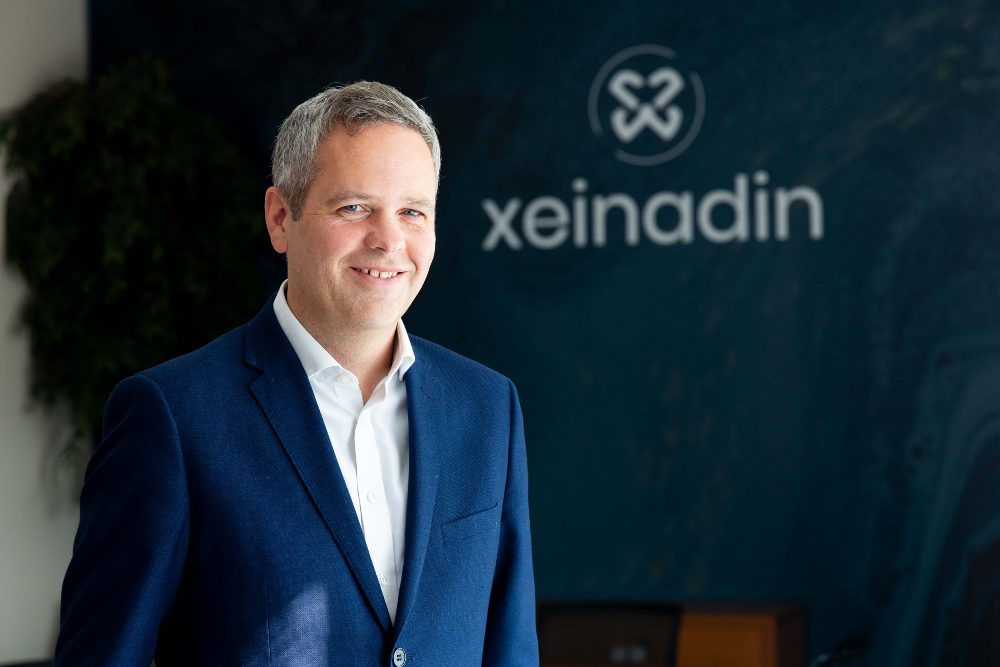
As we slowly digest the measures from Budget 2027, Irish SMEs will start to ask what it means for them, writes Dave O’Brien, head of Tax at Xeinadin.
This Budget was for the worker, understandably, with the cost-of-living pressures right now. The Government put a strong emphasis on income tax, with changes to the standard rate band and tax credits meaning more money in people’s pockets. The minimum wage also increased.
The standout announcement was the Irish Investment Account (IIA), offering a welcome incentive for savers to enter the investment market. We will wait for more details on how that scheme will work.
“If the cost of creating and maintaining those jobs continues to rise, supporting workers and supporting employers cannot be treated as two separate objectives”
All these measures are good news for employees, and many SMEs will hope that more disposable income in people’s pockets will translate into increased consumer spending. But employers will be asking themselves: what is in it for them? The answer is very little.
KEY NUMBERS: Budget 2027 for Irish SMEs
- €350,000 corporation tax liability threshold for large-company treatment, up from €200,000
- €105,000 first R&D tax credit instalment, up from €87,500
- €600 weekly earnings threshold for lower Employer PRSI, up from €552
- 9.15% lower Employer PRSI rate applying below the new threshold
- 31% headline Capital Gains Tax rate, reduced from 33%
- 2012 last year the headline CGT rate changed
- 33% CGT rate retained for development land
- €420,000 parent-to-child inheritance tax-free threshold, up from €400,000
Editorial takeaway: Budget 2027 delivers targeted tax and PRSI improvements, but little to fundamentally ease SMEs’ rising operating costs.
The positives
It’s not all doom and gloom. The weekly earnings threshold for the lower rate of Employer PRSI will increase from €552 to €600 from January. This means more employees will fall under the lower 9.15% employer rate. For sectors such as retail and hospitality, where payroll represents a significant proportion of costs, the PRSI measure should soften some of the impact.
Changes to Enhanced Reporting Requirements are also sensible. Employers will have the option to report certain tax-free payments and benefits by the 14th of the following month, rather than having to report them on or before payment. This measure might not be a headline grabber, but reducing unnecessary administration is something SMEs will welcome.
👉 No tech background needed to bring your business into the AI age! Secure your Google AI Professional Certificate to complete the certification at no cost. Apply now and get started!
There are also positives in supporting innovation. The first instalment available through the R&D tax credit increases from €87,500 to €105,000, while changes to subcontracting costs should make the scheme more practical and accessible for SMEs.
Similarly, changes to preliminary corporation tax should give more businesses greater flexibility around cash flow. The threshold at which a company is treated as a large company for these purposes is increasing from a corporation tax liability of €200,000 to €350,000.
These are all sensible measures. However, they feel like improvements around the edges rather than real innovative thinking, which, in the current business environment, was needed.
Where it fell short
The biggest disappointment was the lack of meaningful support for the cost of doing business. While the increase in the Employer PRSI threshold was a good move, it came alongside another rise in the minimum wage and will only partially offset the additional cost of many employers. For businesses in retail, hospitality and other labour-intensive sectors, there is very little here to materially ease the pressure on already tight margins.
There is a welcome slowdown in some carbon tax increases, including a reduction in carbon tax on kerosene and natural gas until 2030. But these measures, alongside the PRSI change, are more about cushioning additional costs than creating the conditions for businesses to invest and grow.
Inheritance tax is another missed opportunity. The increase in the parent-to-child tax-free threshold from €400,000 to €420,000 is modest and falls well short of the type of reform needed to encourage earlier transfers of wealth and support business succession. We have long said the Government should consider reform of the inheritance tax system, thereby trying to encourage the transfer of assets during the lifetime of the donor.
Housing also remains a frustration. While significant money continues to be committed to the area, there was no meaningful improvement to tax measures such as the Living City Initiative that could help bring vacant and underused properties back into productive use. This would boost people living near the high street, with the potential of increasing footfall for business owners. Tax incentives have a role to play in increasing supply and rejuvenating our towns and cities, and Budget 2027 was an opportunity to go further.
The reduction in Capital Gains Tax from 33% to 31% is another step in the right direction and the first change to the headline CGT rate since 2012.
However, development land remains taxed at 33%. At a time when increasing housing supply remains one of the country’s biggest challenges, excluding the people who own land capable of contributing to that supply is difficult to understand.
The verdict
So, was Budget 2027 a Budget for business? Not really.
There are positives. The CGT reduction is welcome and changes to R&D, Employer PRSI and preliminary corporation tax will help some businesses.
But there are no major measures here that will fundamentally change the outlook for the established SME dealing with higher wages, energy bills and other operating costs.
Putting more money in workers’ pockets is welcome of course, but we cannot lose sight of the businesses that employ them. If the cost of creating and maintaining those jobs continues to rise, supporting workers and supporting employers cannot be treated as two separate objectives.
Budget 2027 makes some progress, but businesses looking for meaningful measures to help them invest, grow and create jobs will be somewhat disappointed. Irish SMEs have shown incredible resilience before, thriving in challenging times; they will need to find that again this year.
Budget 2027: FAQs for Irish SMEs
What does Budget 2027 mean for Irish SMEs?
Budget 2027 contains some positive measures for SMEs, including changes to Employer PRSI, R&D tax credits, preliminary corporation tax and Capital Gains Tax. However, the article concludes that there are no major measures that fundamentally change the outlook for established SMEs facing higher wages, energy bills and other operating costs.
How will the Employer PRSI changes affect SMEs?
From January, the weekly earnings threshold for the lower rate of Employer PRSI will increase from €552 to €600. This means more employees will fall under the lower 9.15% employer rate, which should help soften some payroll pressures, particularly for businesses in retail and hospitality.
What R&D tax credit changes were announced in Budget 2027?
The first instalment available through the R&D tax credit will increase from €87,500 to €105,000. Changes to subcontracting costs are also intended to make the scheme more practical and accessible for SMEs.
How does Budget 2027 change Capital Gains Tax?
The headline Capital Gains Tax rate will fall from 33% to 31%, the first change to the rate since 2012. However, development land will continue to be taxed at 33%.
Does Budget 2027 provide significant support for the cost of doing business?
The article argues that it does not. While measures covering Employer PRSI, tax reporting, R&D, corporation tax and some carbon taxes provide support, it says businesses looking for meaningful measures to help them invest, grow and create jobs are likely to be disappointed.
👉 No tech background needed to bring your business into the AI age! Secure your Google AI Professional Certificate to complete the certification at no cost. Apply now and get started!
-
Bank of Ireland is welcoming new customers every day – funding investments, working capital and expansions across multiple sectors. To learn more, click here
-
For support in challenging times, click here
-
Listen to the ThinkBusiness Podcast for business insights and inspiration. All episodes are here. You can also listen to the Podcast on:
-
Spotify
-
SoundCloud
-
Apple